
Ski films have always existed in their own universe—progression-driven, loud, and fast. But every so often, a project comes along that pauses the noise and asks a bigger question: what does this culture actually stand for right now?
ORNADA, Armada Skis’ latest full-length team film, does exactly that. Produced and directed by longtime Armada insider Corey Stanton, the project is equal parts ski movie, live music experiment, and generational document. It’s not nostalgia. It’s not content. It’s a statement.
Stanton has been with Armada since he was 16 years old. He grew up inside the brand, watching it evolve from a rebel ski startup into a cultural mainstay. With ORNADA, he finally steps out front—crafting a film that reconnects skiing with art, risk, humor, and soul.
We sat down with Stanton to talk legacy, live music, ski legend JP Auclair, and why this film needed to exist now more than ever.
We didn’t try to make everyone feel the same. Tanner brings gravity. The younger guys bring chaos and speed. The cohesion comes from shared values, not shared style. It’s like a band—different instruments, one song.
In Conversation With Corey Stanton
Frank 151: You’ve been with Armada since you were 16, and now you’re helming this film. When did you know it was time for an Armada team movie?
Corey Stanton: It wasn’t one moment—it was a realization that the window was open. Armada has four generations of skiers right now, from pioneers to kids redefining what’s possible. That doesn’t happen often. I felt like if we didn’t capture it as one story, we’d miss something important.
Frank 151: You’ve talked about bringing back the “OG team movie” energy while pushing something new. How did you strike that balance?
Stanton: The old films worked because they had patience. They weren’t afraid of silence or humor. We wanted to respect that structure without recreating it beat for beat. The skiing is modern, the personalities are modern—but the pacing and intention come from the classics.
Frank 151: ORNADA spans four generations of athletes—from Walker Woodring to Tanner Hall. How did you make that feel cohesive?
Stanton: We didn’t try to make everyone feel the same. Tanner brings gravity. The younger guys bring chaos and speed. The cohesion comes from shared values, not shared style. It’s like a band—different instruments, one song.
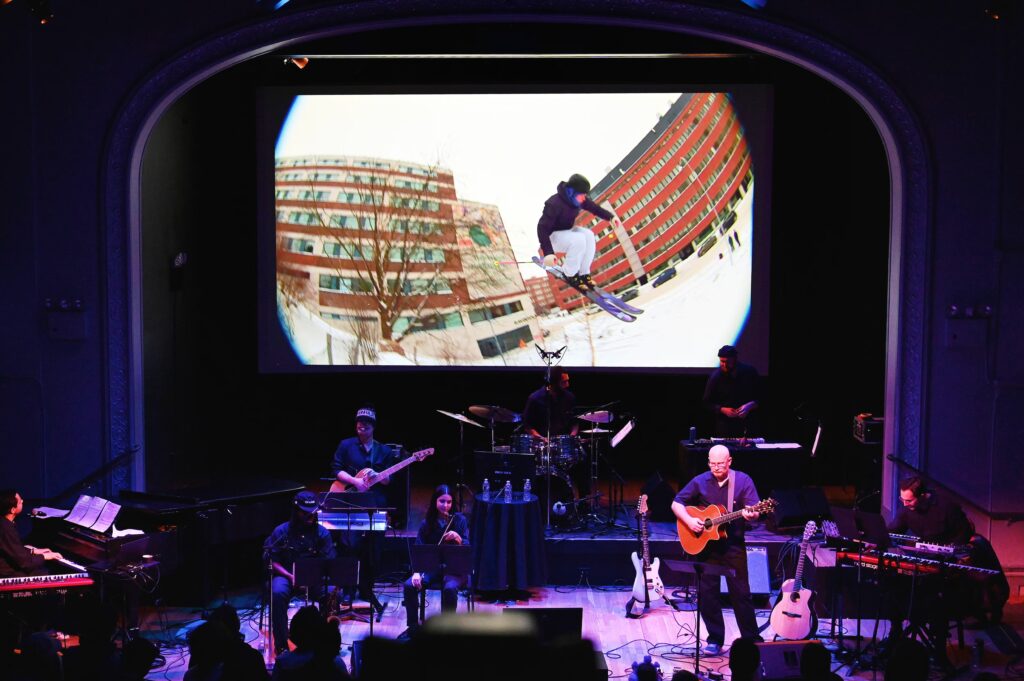
Frank 151: The live music score at premieres has become one of the most talked-about elements. Where did that idea come from?
Stanton: I wanted premieres to feel like events again. Not just screens and chairs. Live music introduces real risk—every show is different, and nothing is perfectly locked. That felt honest to skiing. The hardest part was syncing emotion instead of timing.
Frank 151: You’ve said athletes and sponsors were skeptical. How did you win them over?
Stanton: I told them straight up: this won’t be safe, but it will be memorable. Skiing was built on risk. Once people understood the music wasn’t a gimmick, but a way to deepen the experience, they got behind it.
I wanted premieres to feel like events again. Not just screens and chairs. Live music introduces real risk—every show is different, and nothing is perfectly locked. That felt honest to skiing. The hardest part was syncing emotion instead of timing.
Frank 151: You used scratch tracks like Pink Floyd’s “Us and Them” while editing. How did music shape the film?
Stanton: Some ski segments looked great but felt empty. When we dropped in the right music, everything clicked—the weight of the turns, the pauses, the emotion. Sometimes the skiing dictated the music, sometimes the music reshaped the skiing. It was a conversation.
Frank 151: When filming something this ambitious, how much is planned versus instinct?
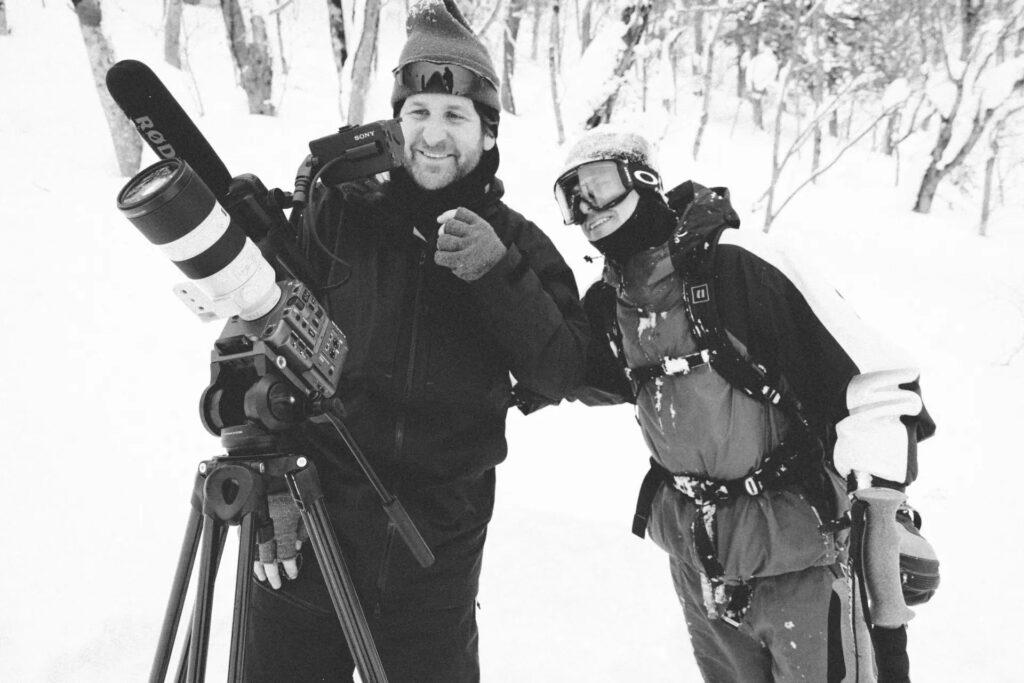
Stanton: We plan logistics obsessively so we can stay loose creatively. The best moments usually come when something goes wrong—weather changes, someone improvises a line. You just have to be ready to recognize it.

Phil Casabon spin to win, in Japan.
Frank 151: In the edit you asked yourself, “Would JP like this?” What part of JP Auclair’s ethos were you trying to channel?
Stanton: JP skied with joy and danger at the same time. He didn’t separate progression from personality. We tried to keep that balance—humor next to seriousness, chaos next to control. If something felt too polished, we questioned it.
Frank 151: How do you hope ORNADA connects beyond the core ski audience?
Stanton: I hope people feel the emotion before they understand the tricks. You don’t need to ski to understand commitment, fear, or freedom. That’s what we’re trying to communicate.

Kuura Koivisto, Hand Drag 540 while filming for Ornada.
Frank 151: What’s next for Armada’s storytelling after ORNADA?
Stanton: Less content, more culture. Longer formats. Unexpected collaborations. Music, art, storytelling that isn’t afraid to slow down. ORNADA isn’t the finish line—it’s proof that there’s another way forward.

Final Word
ORNADA isn’t chasing algorithms or trends. It’s reconnecting skiing with something older and deeper—expression, risk, and creativity without compromise. With live music, multiple generations, and a director who grew up inside the culture, Armada hasn’t just made a ski film.