

In the mythos of skateboarding, there are legends — and then there’s Tom Penny. A figure so effortlessly influential that his very absence only made him more powerful. Penny didn’t chase the spotlight; the spotlight chased him, usually in vain. And that’s exactly why generations of skaters still talk about him like some kind of skateboarding folk hero.
Born in Oxford in 1977, Penny rose out of the gritty concrete of Radlands Skatepark in the early ’90s. By sixteen, his footage was already floating across the skate world, leaving people stunned at how someone could skate so technically while appearing so impossibly calm. It wasn’t just what he did — it was how he did it. No strain. No hype. Just a pure, almost meditative flow.
The Style That Rewired Skateboarding
When Penny landed in Southern California in 1995, everything changed. His video part in Etnies’ High Five hit like a cultural meteor. Switch frontside flips over rails, back tails in bowls, and tricks up ledges that most skaters were still dreaming about — all executed with that signature Penny weightlessness. It wasn’t athleticism or aggression that set him apart; it was the smoothness, the timing, the silence of it all.
His famous switch frontside flip over the Carlsbad gap became instant lore. You could argue thousands of skaters have done gnarlier tricks since — but none have matched the vibe. Penny floated where others fought gravity.
The Vanishing Act
At the peak of his influence, Penny did the most Penny thing possible: he drifted away. Not out of rebellion or self-destruction. Just instinct. One moment he was the most-watched skater in the world, the next he was skating European contests, visiting friends in London, and living life on a quieter wavelength.
And with that, the legend exploded.
Stories of Penny sightings floated around like UFO reports. Grainy photos. Mystery sessions. One tale describes a party in a dark warehouse where Penny skated a mini ramp for a full minute after the power went out — the only proof being the sound of trucks grinding coping in complete blackness. Whether it happened exactly like that doesn’t matter; people believe it, because it feels true to who he is.
Penny became something skateboarding hadn’t really seen before:
a myth you could occasionally high-five.
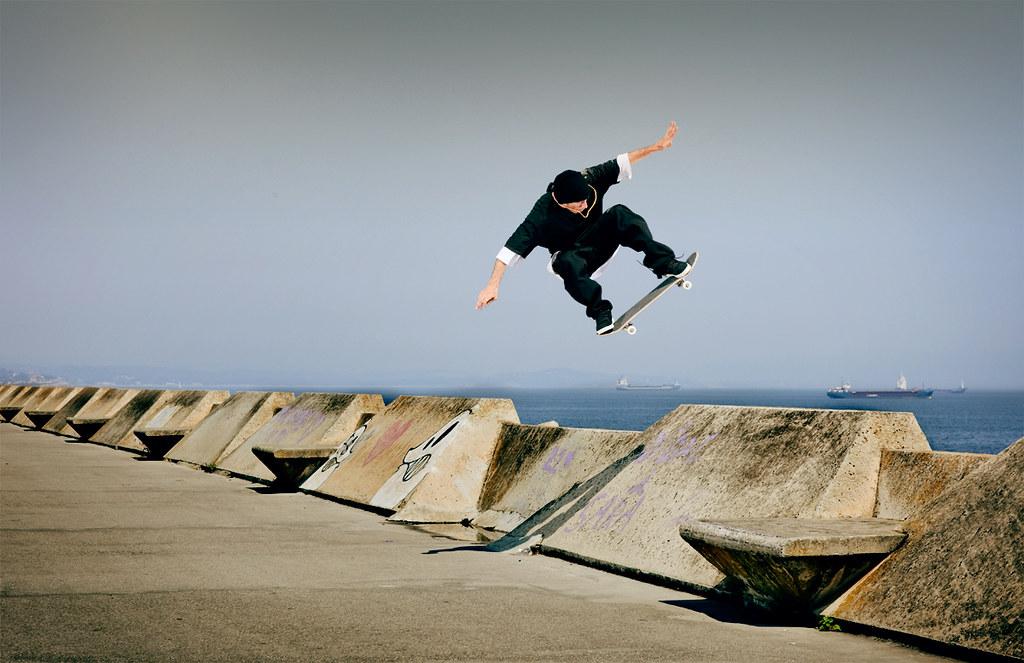
Reappearances From Another Realm
Penny would return in flashes — Menikmati, Sorry, Really Sorry — each appearance a reminder that even when he was gone, he was never really gone. His skating in the 2000s aged like a fine wine left on a dusty shelf in someone else’s house: unexpectedly perfect when rediscovered.
He even dropped a pro shoe, solidifying his imprint on the style of the sport as much as its progression. By the mid-2000s, with a permanent U.S. visa in hand, Penny was skating more again — but always on his own terms. No rush. No pressure. No urgency to reclaim a throne everyone still believed he sat on anyway.
The Legacy That Still Moves Like Water
Tom Penny’s influence doesn’t show up in contest scoreboards. It shows up in how skaters push, how they land, how they carry themselves. He taught skateboarding something invaluable: style is substance. You can’t fake aura. You can’t coach cool.
Decades later, kids who weren’t even born during Penny’s prime still mimic his movements without realizing it. That’s the mark of a true cultural ghost — a presence so strong it shapes people indirectly.
The legend of Tom Penny isn’t about mystery for mystery’s sake. It’s about purity. A skater who moved like water, vanished like smoke, and still, somehow, changed everything.