
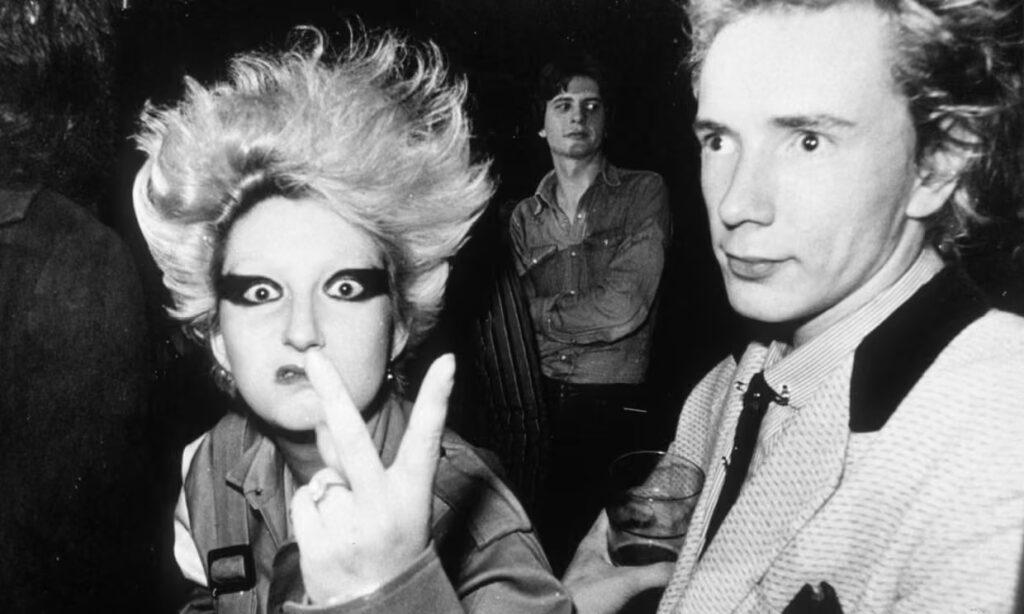
Punks Jordan and Johnny Rotten circa 1970. Photograph: Ray Stevenson/Rex Features
You risked being misunderstood. You risked getting jumped, arrested, banned from venues, kicked out of school, or blacklisted by polite society. You risked never fitting back in. Subculture wasn’t a vibe or a look — it was a line you crossed knowing full well there might be no way back.
Now it’s a dropdown menu.
Punk. Skate. Hip-hop. Graffiti. Rave. Each one reduced to an aesthetic pack you can unzip, remix, and monetize before lunch. What once took years of immersion now takes a Wi-Fi connection and a decent camera.
Welcome to the era where rebellion is optimized, culture is flattened, and subculture is something you consume, not something that consumes you.
Subculture didn’t die quietly. It was strip-mined, content-farmed, aestheticized, algorithmically boosted, and sold back to us with free shipping.
And most of us clapped.
SUBCULTURE USED TO BE A DEAD END — AND THAT WAS THE POINT
Punk didn’t ask to be liked. Hip-hop didn’t ask to be understood. Skateboarding didn’t ask permission.
They all emerged from the same conditions: boredom, poverty, exclusion, and a deep distrust of institutions. Punk kids had nothing to lose. Early hip-hop artists were building worlds out of abandonment and surveillance. Skaters were repurposing architecture designed to keep people out and turning it into a playground.
None of this was meant to be respectable.
You didn’t discover these scenes through recommendation engines. You found them through older kids, burnt CDs, zines, VHS tapes, pirate radio, skate shops, record stores, block parties, and word of mouth. Access was limited. Information was imperfect. And that friction mattered.
Scenes were local, territorial, and often hostile to outsiders. New York hip-hop didn’t sound like LA. West Coast skating didn’t move like East Coast. London punk didn’t look like Sydney punk.
That lack of uniformity was the culture.
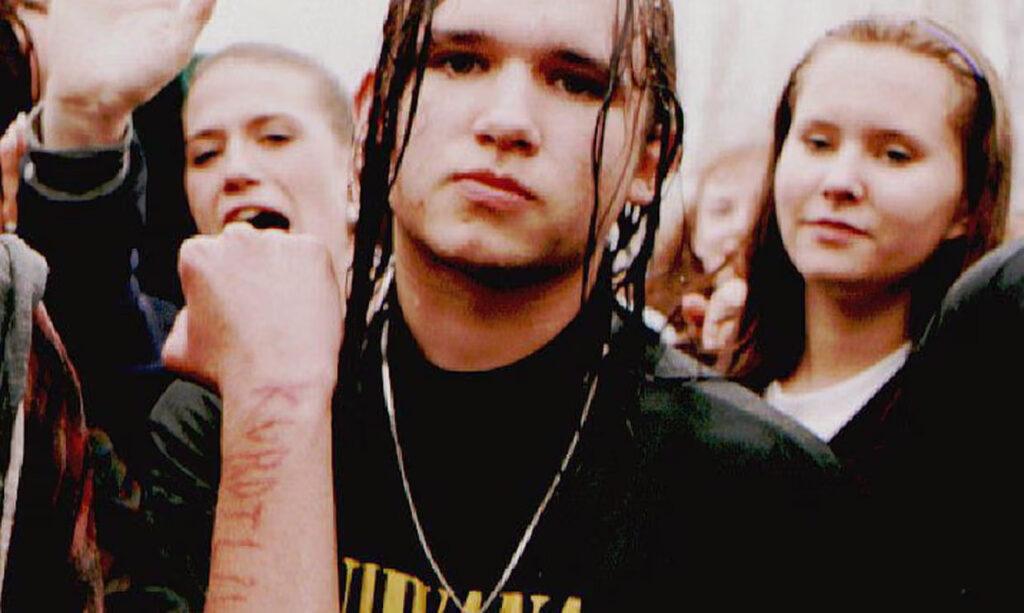
“People put too much emphasis on scenes. Just because there happens to be a town with a few really good bands in it, I mean… big deal! It’s happened all over the place. I don’t understand this community patriotism that everyone’s boasting about in Seattle. They all say ‘we finally put Seattle on the map,’ but it’s like… what map? We had Jimi Hendrix! Heck!” -Kurt Cobain, 1991.
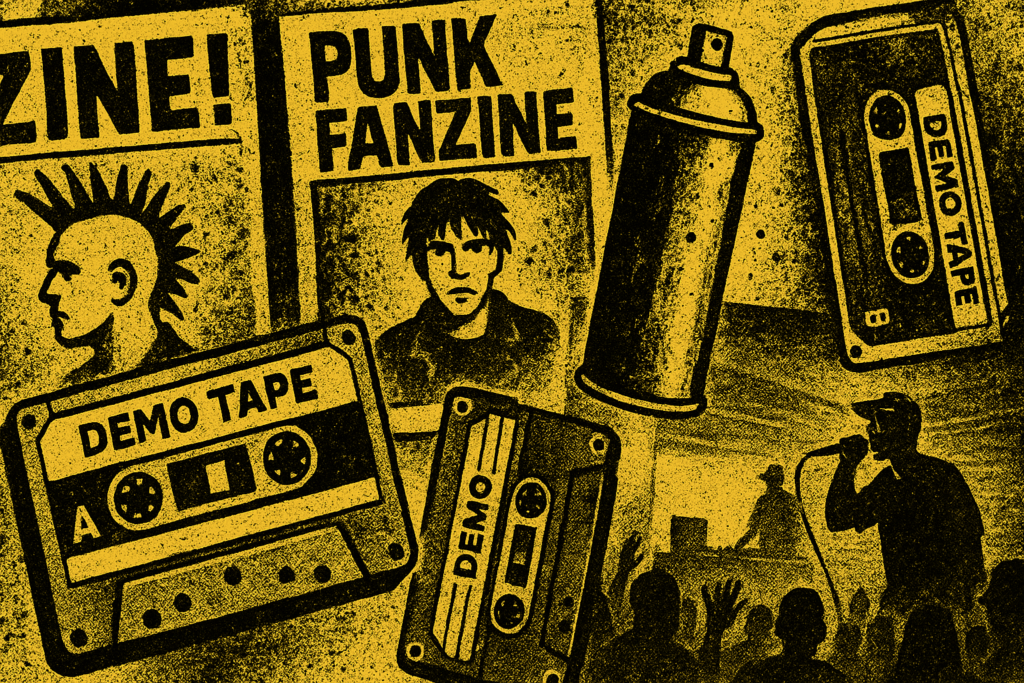
SKATEBOARDING WAS NEVER SUPPOSED TO BE A CAREER PATH
Skateboarding used to be a liability.
You got kicked out of spots. You got chased by security. Cities literally redesigned public space to stop you from existing. That antagonism shaped the culture — the style, the filming, the music, the attitude. Skateboarding wasn’t about winning. It was about persistence in the face of constant rejection.
Now skateboarding is a content funnel.
Tricks are optimized for clips, not spots. Style is adjusted for algorithms. Brands don’t just sponsor skaters — they manage them like influencers. The goal isn’t progression; it’s consistency. Not risk, but reach.
The irony? Skateboarding won. It got into the Olympics. And in doing so, it lost the thing that made it dangerous.

HIP-HOP DIDN’T SELL OUT — IT GOT STRATEGIZED
Hip-hop didn’t start as an industry. It started as survival.
Block parties, breakbeats, tagging trains, DJ crews hauling equipment up stairwells — this was culture built without permission or capital. Hip-hop was local news. It was a language for people excluded from the official record.
But once visibility became currency, the culture shifted.
Today, hip-hop is global, dominant, and hyper-commercial — but stripped of friction. What survives the algorithm is what’s repeatable, brand-safe, and easily categorized. What dies is context, lineage, and dissent.
The problem isn’t success. It’s standardization.
When rebellion becomes a template, it stops being threatening.
THE INTERNET DIDN’T KILL SUBCULTURE — SOCIAL MEDIA DID
The early internet helped subculture. Forums, blogs, file-sharing, and niche websites connected scenes without flattening them. You still had to dig. You still had to know history. You still had to earn trust.
Then platforms arrived.
Social media doesn’t just document culture — it reprograms it. Algorithms reward recognizability, not originality. Repetition, not risk. The more easily something can be labeled, tagged, and replicated, the further it travels.
So subculture adapted — or rather, mutated.
Punk became “punk-core.”
Hip-hop became “aesthetic rap.”
Skateboarding became “lifestyle content.”
Graffiti became “street-inspired visuals.”
Everything radical was softened just enough to keep advertisers comfortable.
“Young people today don’t identify with music in the same way teenagers from the 1940s to the 1990s did. Their main influence used to come from art and musical movements because those were the teenage forms of expression, but not anymore. Teenagers still listen to music—they go clubbing more than ever—but the music doesn’t play the same role in their lives as it used to in ours [the late 1980s]. That role has been filled be video games, social media, film franchises.”
— Jon Lilley
TIKTOK DID WHAT MTV COULD ONLY ATTEMPT
MTV commercialized culture. TikTok industrialized it.
On TikTok, subculture doesn’t evolve — it gets reverse-engineered. Someone stumbles onto a look, a sound, a micro-scene. It gets named. Hashtagged. Tutorialized. Within weeks it’s everywhere and already dead.
There’s no time for scenes to develop politics, ethics, or internal debates. No elders. No consequences. No accountability.
What used to take years now takes a trend cycle.
And when everything is visible, nothing is intimate.
THE MYTH THAT ACCESSIBILITY SAVED CULTURE
We were told removing gatekeepers would democratize culture.
What it actually did was remove memory.
Gatekeeping wasn’t just exclusion — it was curation. It forced newcomers to learn context, history, and respect. You had to know who came before you. You had to show up in real life.
Now everyone can claim affiliation without participation. Identity is self-assigned. Culture becomes costume.
Belonging without responsibility is just branding.
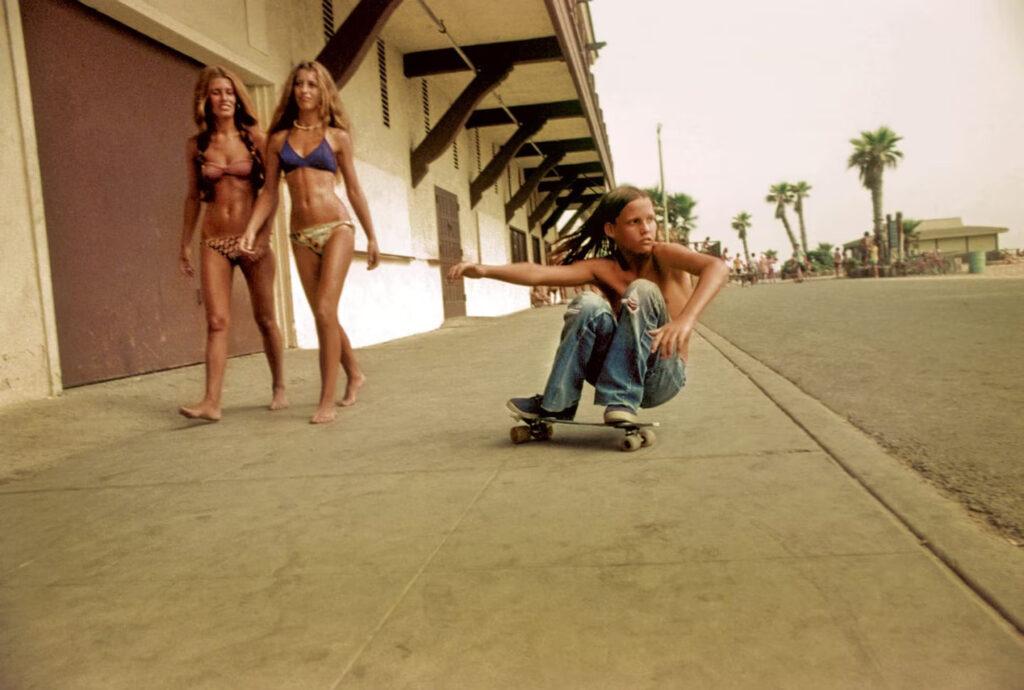
“Sidewalk Surver,” Huntington Beach, 1975. (Hugh Holland)
GRAFFITI, SKATE, AND HIP-HOP ALL LOSE THEIR TEETH WITHOUT RISK
Graffiti without illegality is graphic design.
Skateboarding without trespass is gymnastics.
Hip-hop without opposition is just pop music.
Risk wasn’t incidental — it was structural. It shaped how these cultures moved, spoke, dressed, and survived. Remove risk, and you remove the pressure that created innovation.
What remains is the shell.
SUBCULTURE CANNOT SURVIVE A METRICS-DRIVEN WORLD
Algorithms don’t reward patience. They punish it.
Anything that can’t be immediately understood, consumed, and shared gets buried. Scenes that refuse clarity don’t scale — so they disappear from view.
But disappearing from view doesn’t mean disappearing.
THE REAL SCENES ARE QUIET AGAIN
The real shit is happening off-camera. In basements. DIY venues. Illegal spots. Unlisted shows. Group chats that never go public. Scenes that actively resist documentation.
The kids actually doing something new aren’t building audiences — they’re avoiding them.
Because the moment you optimize rebellion, it stops being one.
SUBCULTURE WAS NEVER MEANT TO LAST FOREVER
Every scene burns out. That’s not failure — that’s physics.
The mistake was thinking subculture could live permanently online, archived, searchable, monetized, and still retain its edge.
Subculture thrives in darkness, friction, and misunderstanding.
THE FUTURE OF SUBCULTURE IS INVISIBLE — AGAIN
If subculture survives, it won’t announce itself. It won’t be clean. It won’t be brand-friendly. It won’t be easy to explain or sell.
It will probably look wrong. Sound bad. Feel uncomfortable.
And that’s how you’ll know it’s real.
The death of subculture isn’t a tragedy — it’s a warning.
If you want culture, stop filming it.
If you want hip-hop, listen deeper than the charts.
If you want skateboarding, stop trying to monetize style.
If you want rebellion, stop asking it to perform.
Some things only exist when no one’s watching.
And honestly — that’s the most punk thing left.