FINDING VISION • BEAUTIFULLY BROKEN-IN. ETERNALLY ALIVE. For the wild souls who DON’T DIE WONDERING.
Written by Sarah Rose
VISION / 1976—ETERNITY
Baked in California sun. Scarred by concrete. Passed from hand to hand. Fifty years later, the colors have faded. The soul hasn’t.
FRICTION
A new skateboard is almost too perfect.
Smooth wood. Clean graphic. Sharp edges. Shoes without holes. Shirt without sweat. Skin without evidence.
Then concrete takes the first bite.
Grip tape works through suede. California sun pulls pigment from cotton. Ink cracks. Knees open. Hands harden. The bottom of the deck slowly loses the artwork somebody spent hours making.
Strangely, somewhere along the way, something beautiful happens. The color fades as the memories deepen. The edges soften. The evidence accumulates. And eventually, it starts looking the way we wanted it to all along.
We understand this instinct well enough that entire industries now manufacture the evidence. Denim arrives ripped. T-shirts arrive faded. Leather arrives distressed. Designers add grain, scratches and Xerox degradation to images created on perfectly clean screens.
We pay extra for things that look like somebody already lived in them.
Maybe because wear tells us something perfection can’t.
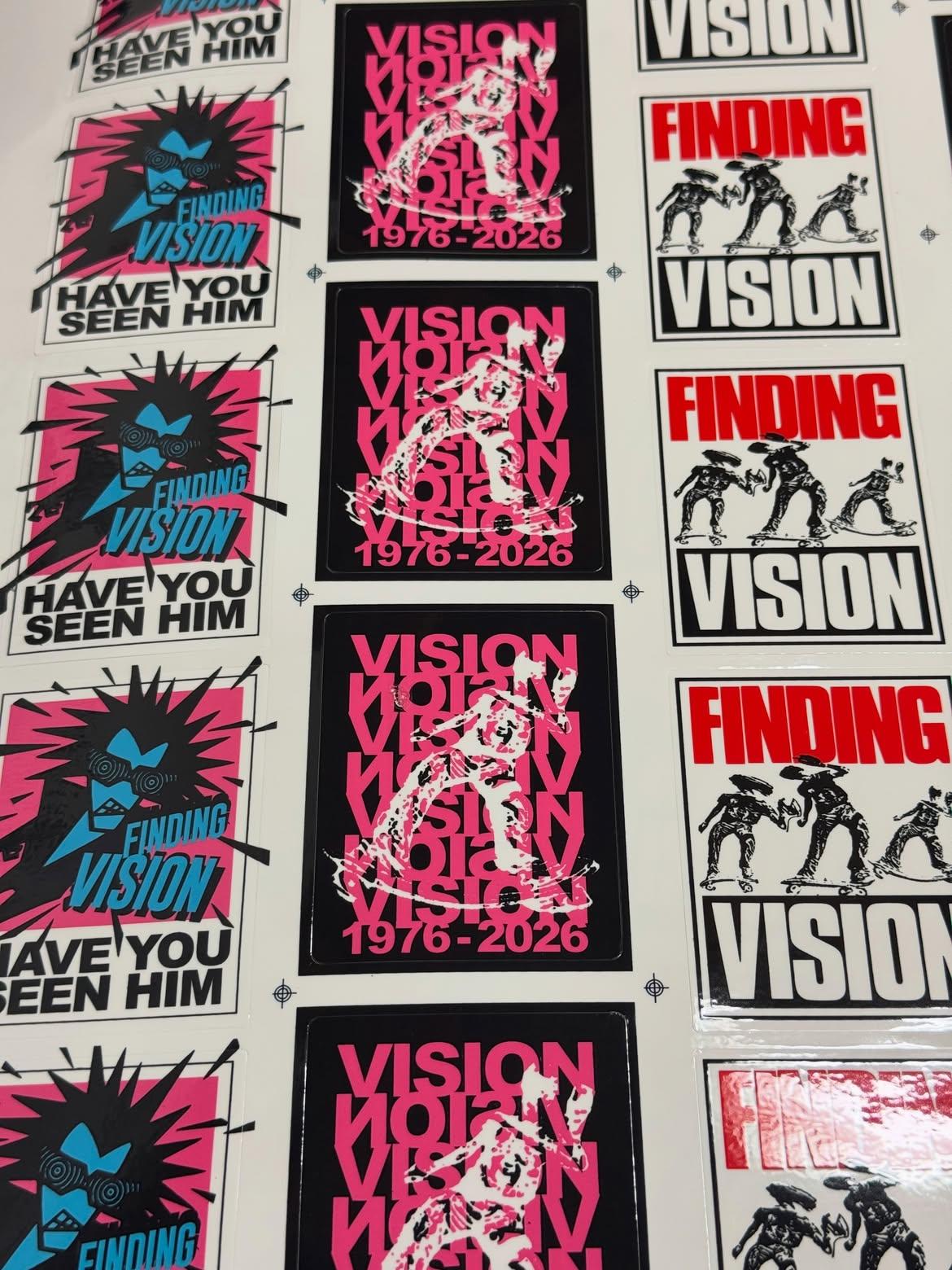
LOS ANGELES, 2026
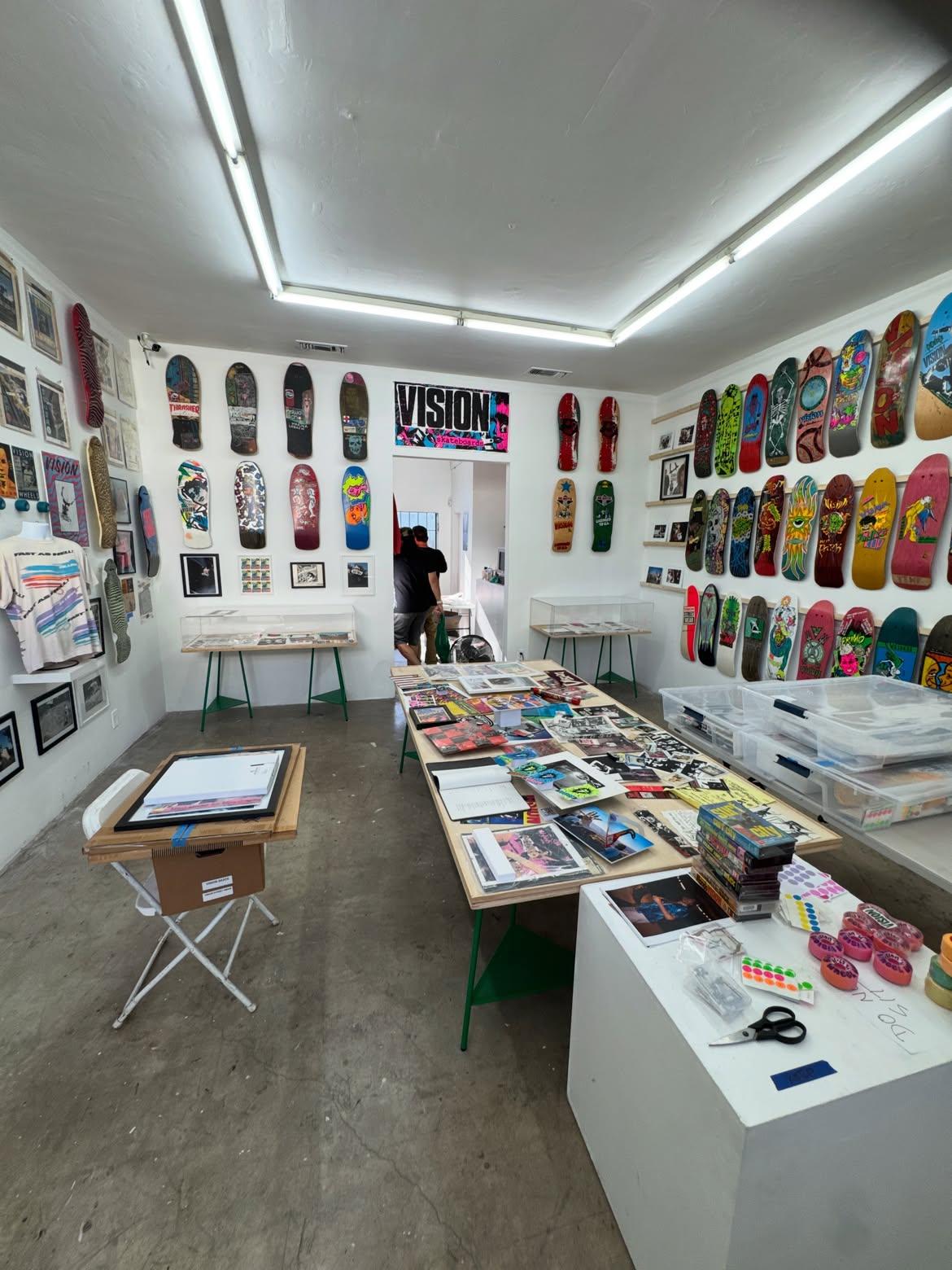
Fifty years of wear fills a room.
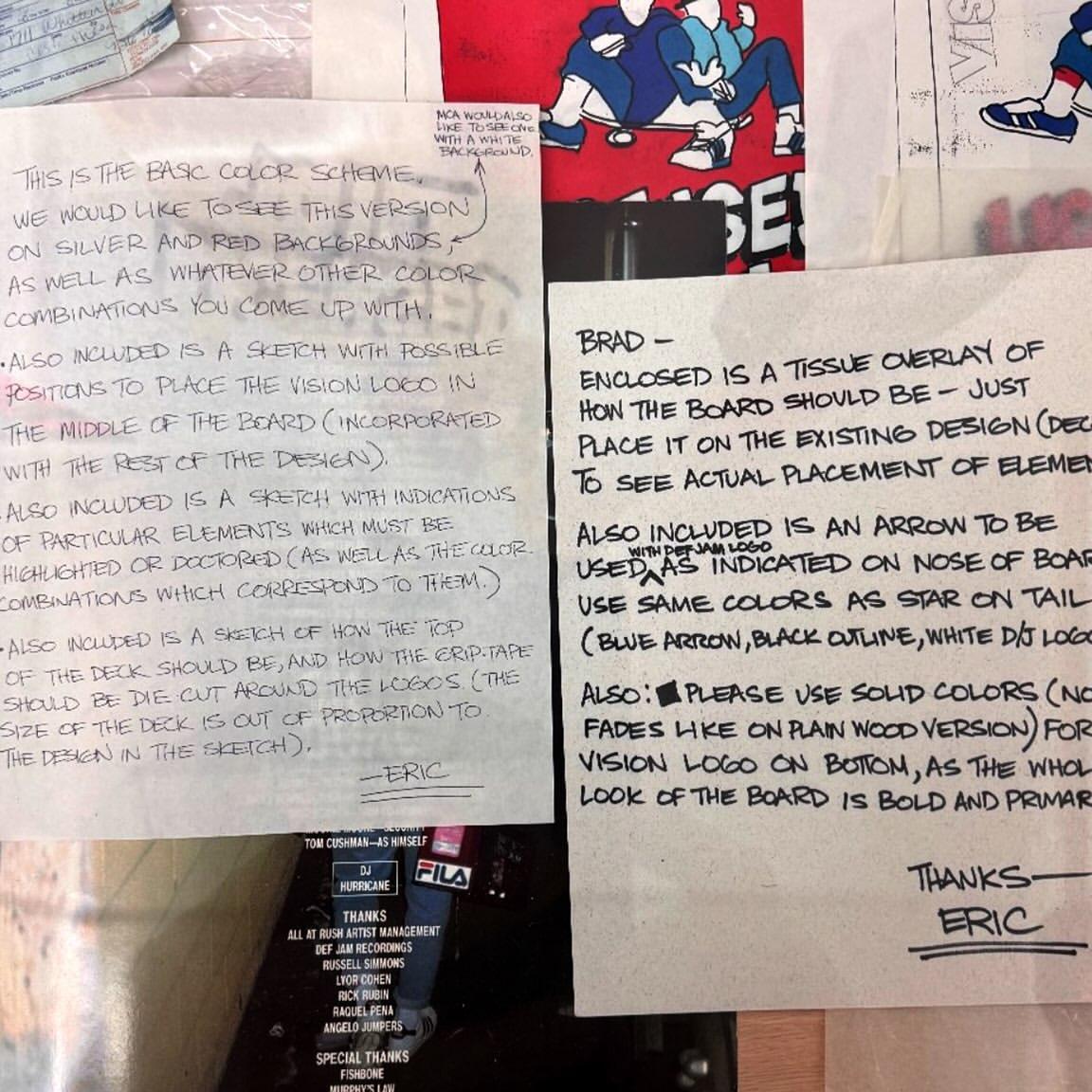
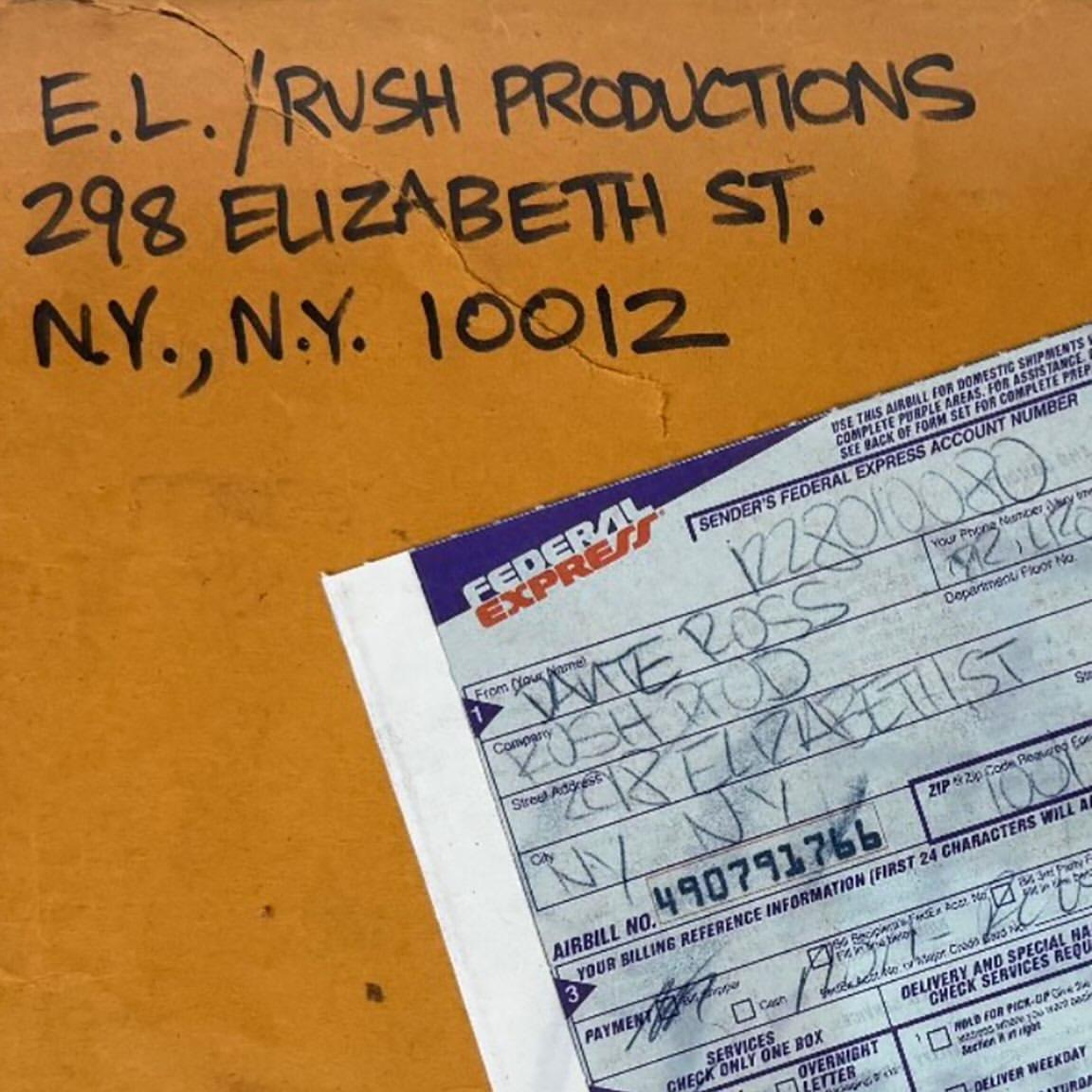
Inside FINDING VISION: 50 YEARS OF VISION — A RETROSPECT in Los Angeles, more than 450 pieces of VISION history have been pulled into the present: original sketches, vintage decks, photography, advertisements, memorabilia, handwritten fragments and pieces of visual culture that somehow survived the people who actually used them.
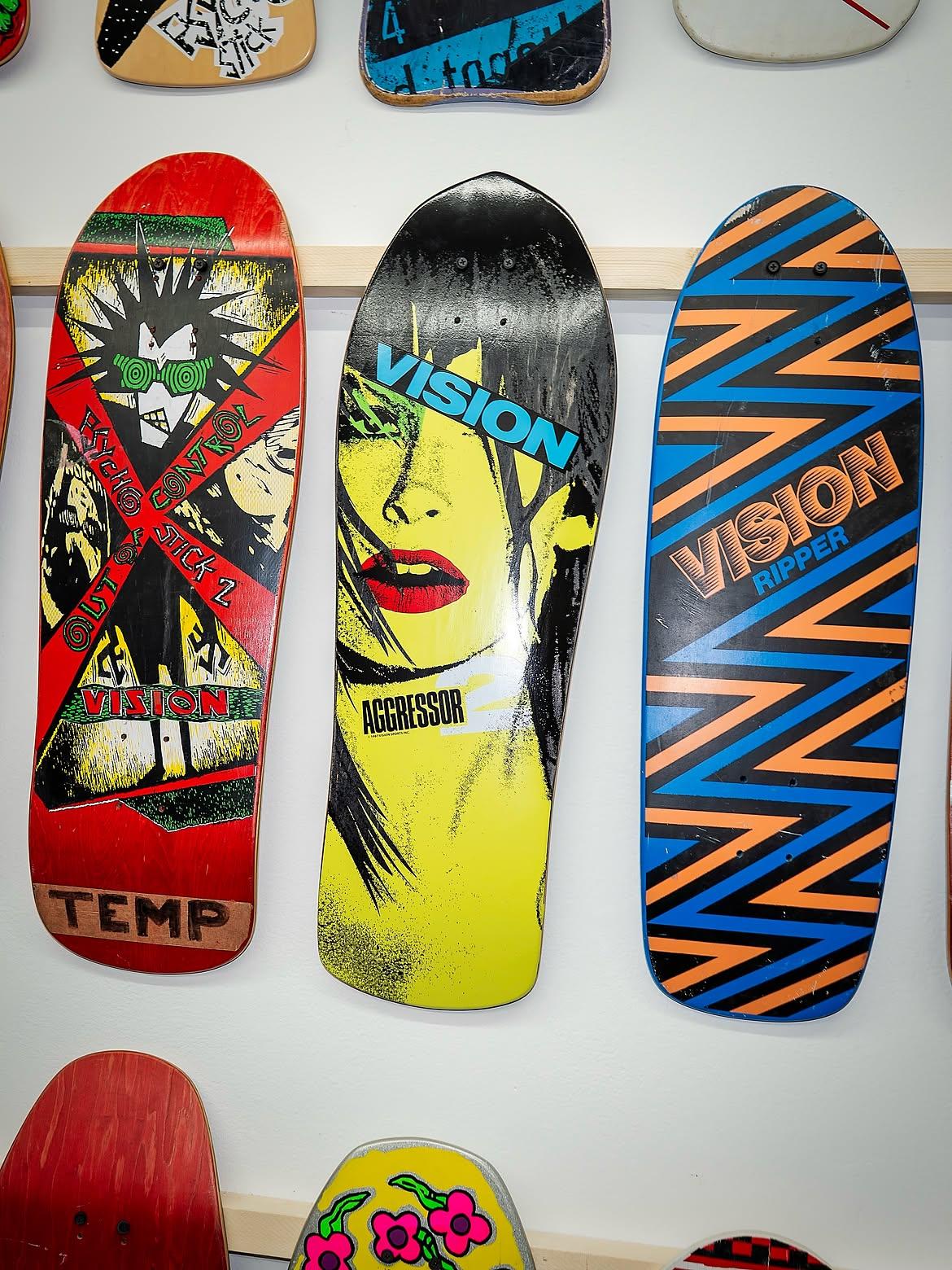
Rows of skateboard decks stretch across the walls. Different shapes, noses, tails. Neon bleeds into black. Faces, monsters, typography and scratches from different decades sit shoulder to shoulder.
Across the room, tables disappear beneath paper.
Someone turns a page.
Someone else recognizes something.
Someone younger leans closer.
The strange part isn’t simply that the objects survived.
It’s what happened to them before they did.
A deck was supposed to meet concrete. A shoe was supposed to meet grip tape. A magazine was supposed to be folded, torn, taped to a bedroom wall or passed to a friend. A sticker was supposed to leave its backing. A shirt was supposed to absorb sweat.
These things belonged to youth. And youth rarely thinks about becoming history while it is busy being alive.
Yet here they are.
Things created to move have been made still. Things designed to wear out are being protected. Things once dismissed as youth culture have become cultural history.
Follow the scratches backward and two questions begin appearing underneath the anniversary.
How did skateboarding learn to look like itself?
And maybe something even more human:
Why are we so drawn to the marks left behind when people actually live?
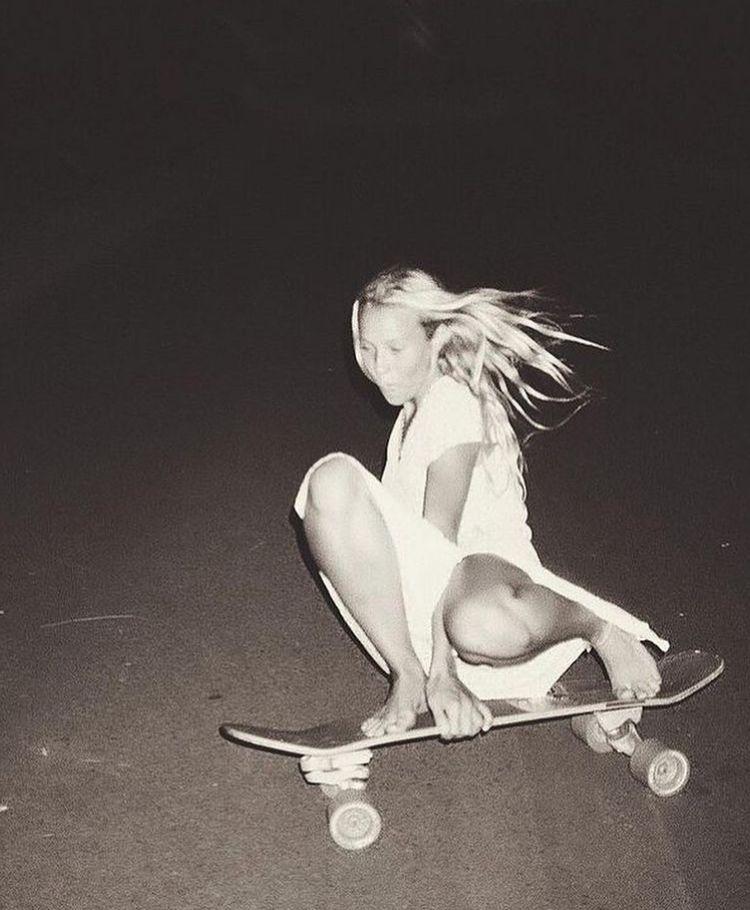
BEFORE THE UNIFORM
Southern California, 1976.
Concrete holds heat after sunset. Urethane hits pavement. Empty swimming pools become something other than swimming pools. Kids begin looking at architecture incorrectly.
A curb isn’t only a curb. A bank isn’t only a bank. Eventually a handrail develops possibilities its architect never intended.
Skateboarding contains a wonderfully disobedient way of seeing: look at the environment everybody else accepts and imagine another use for it.
VISION begins somewhere inside that energy…
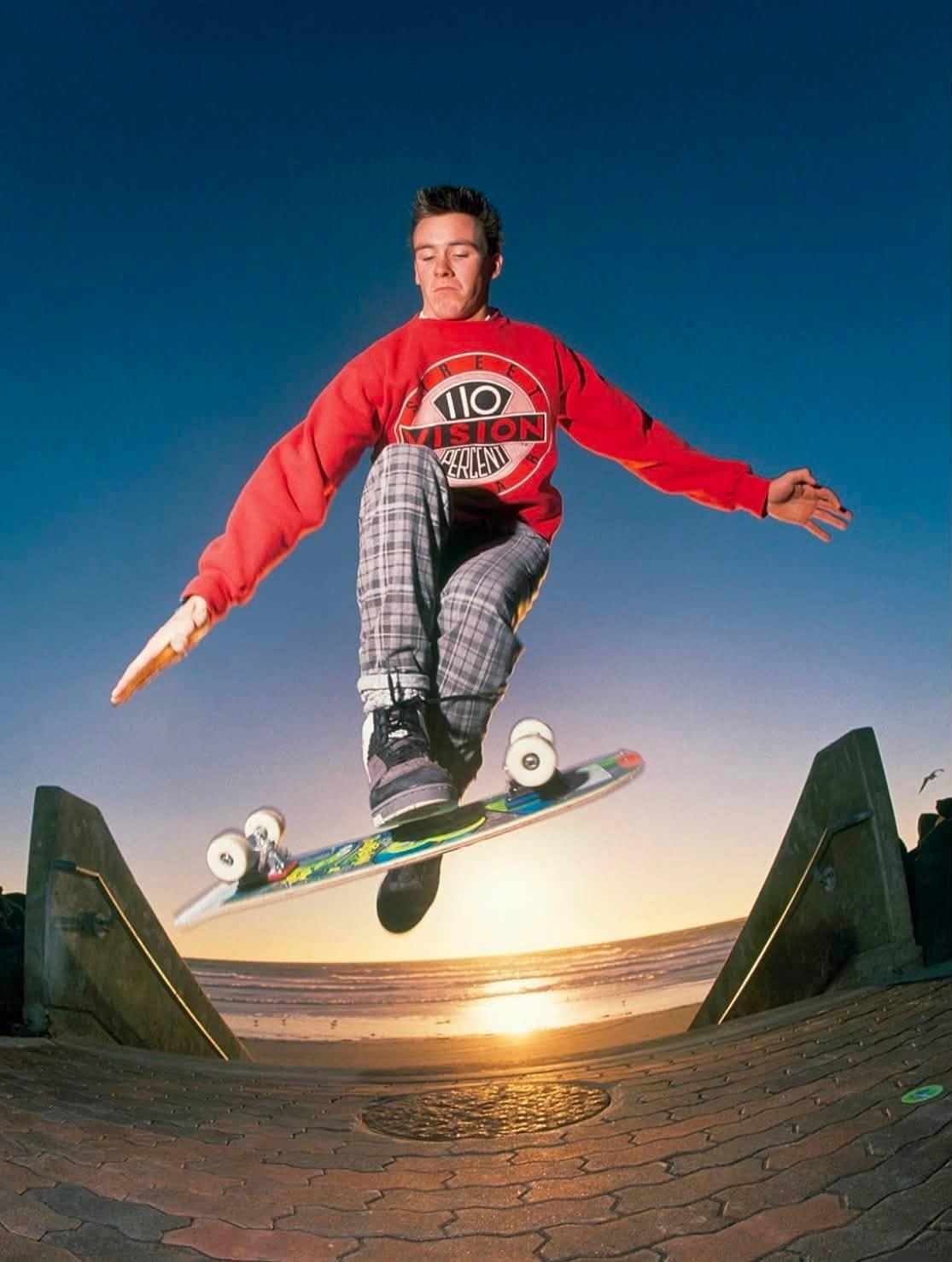
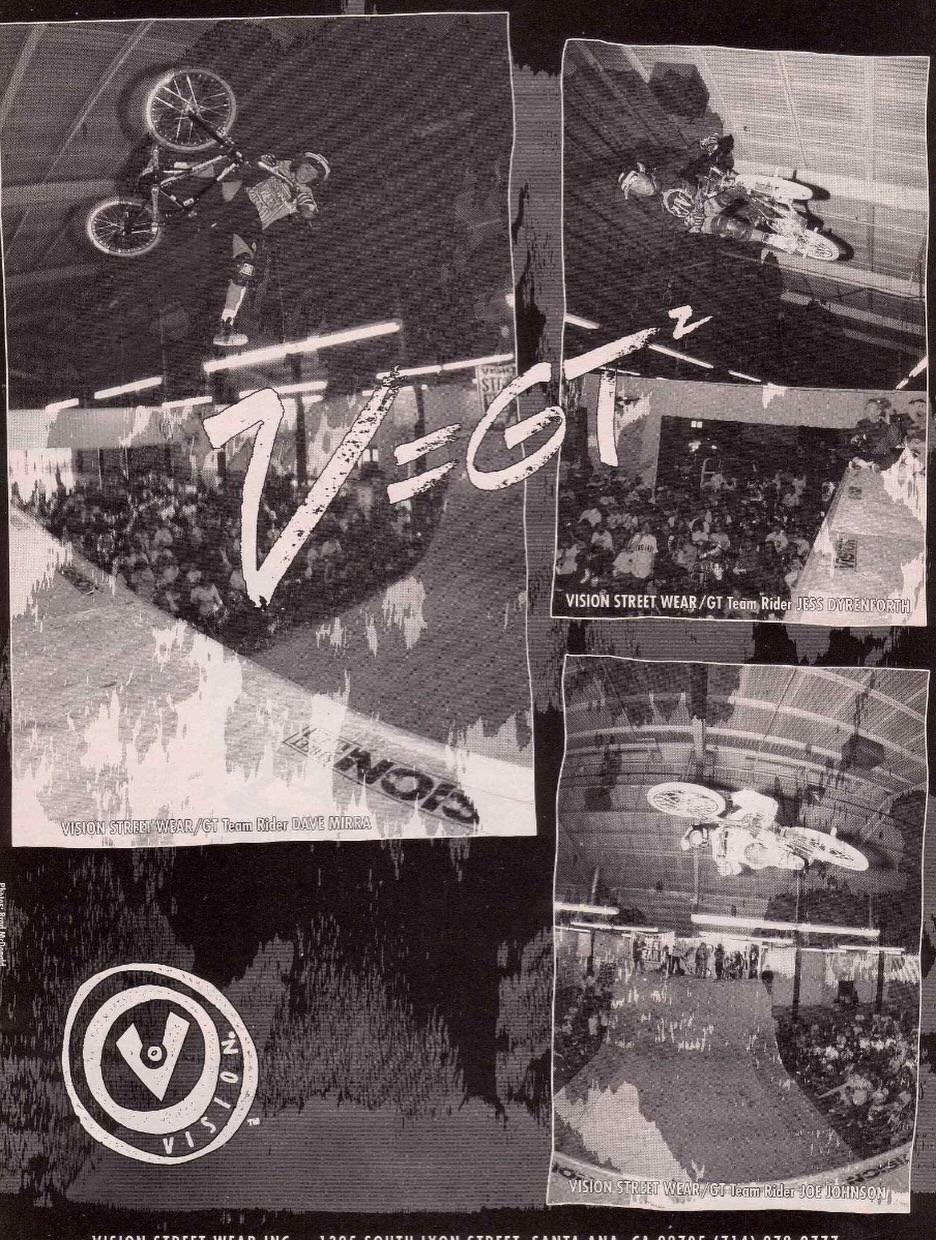
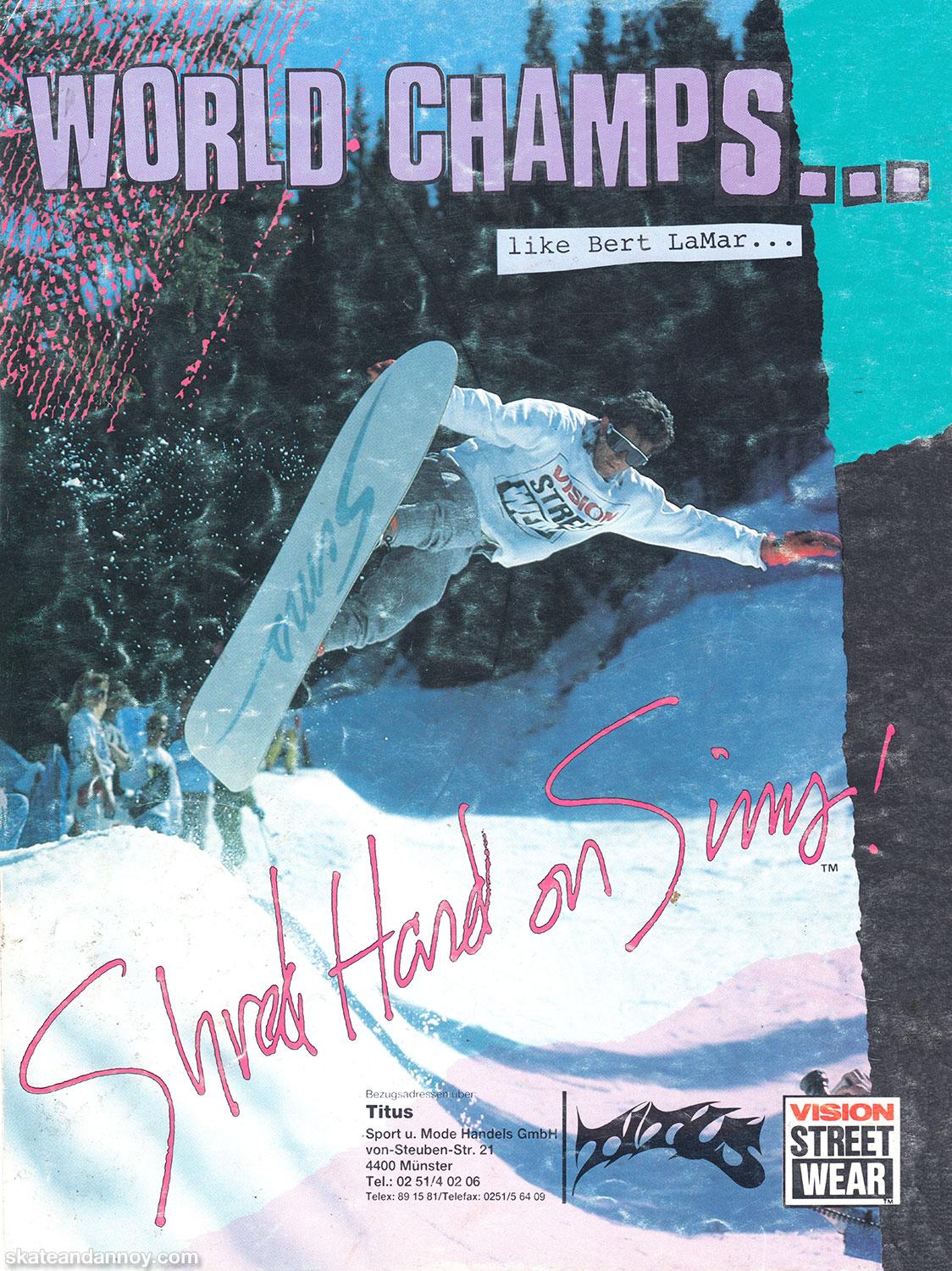
Brad Dorfman started with skateboards. What accumulated around them became something much larger. Boards. Parts. Clothing. Shoes. Safety equipment. Eventually even snowboards.
By 1987, contemporary reporting put VISION’s wholesale volume above $30 million, with at least half still coming from skate hardware. Dorfman was already looking beyond it, arguing that skatewear could eventually exceed the much larger surfwear market.
His reasoning was beautifully uncomplicated.
There were more skaters than surfers.
And they all needed clothes.
The business logic was simple.
What happened culturally was not.
Because what those kids needed wasn’t merely fabric.
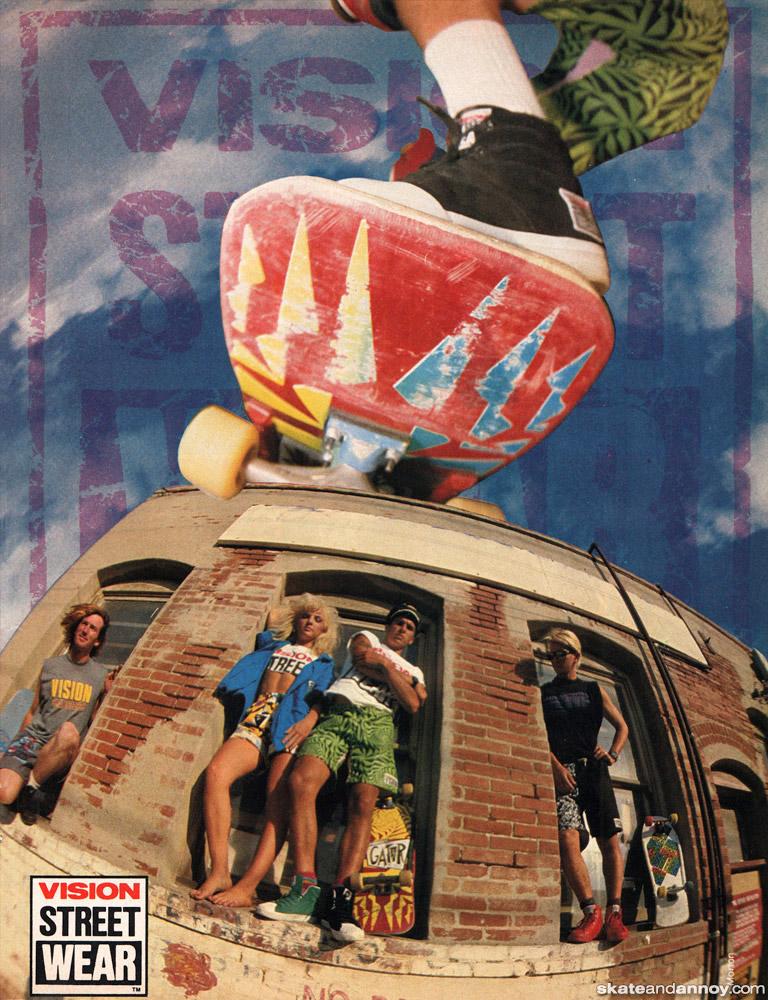
A teenager quoted by the Los Angeles Times in 1989 comes closer to explaining it. Sometimes he wanted to go somewhere nicer and still feel like a skater.
There it is.
 .
. 
Before streetwear became a global industry, before lifestyle became marketing vocabulary, before almost every subculture learned the commercial power of extending identity beyond its original object, a kid articulated something deeply human:
I want to carry this world with me.
Skateboarding was becoming something you didn’t only do.
You could wear it.
CULTURE DOESN’T KNOW IT’S BECOMING CULTURE
History cleans things up.
Dates become timelines. People become names. Objects become collectibles. Eventually everything looks like it was always headed somewhere.
It wasn’t.
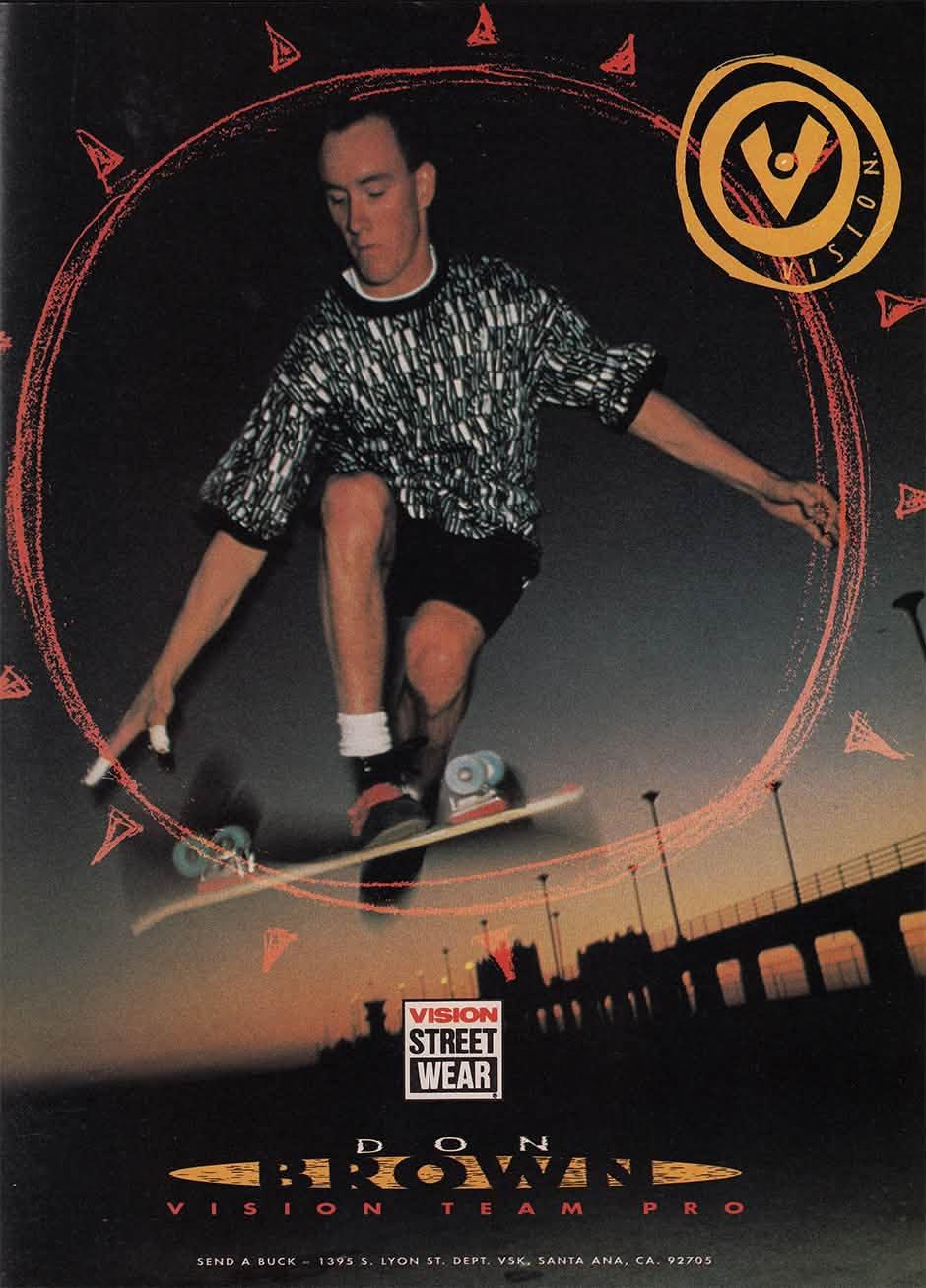
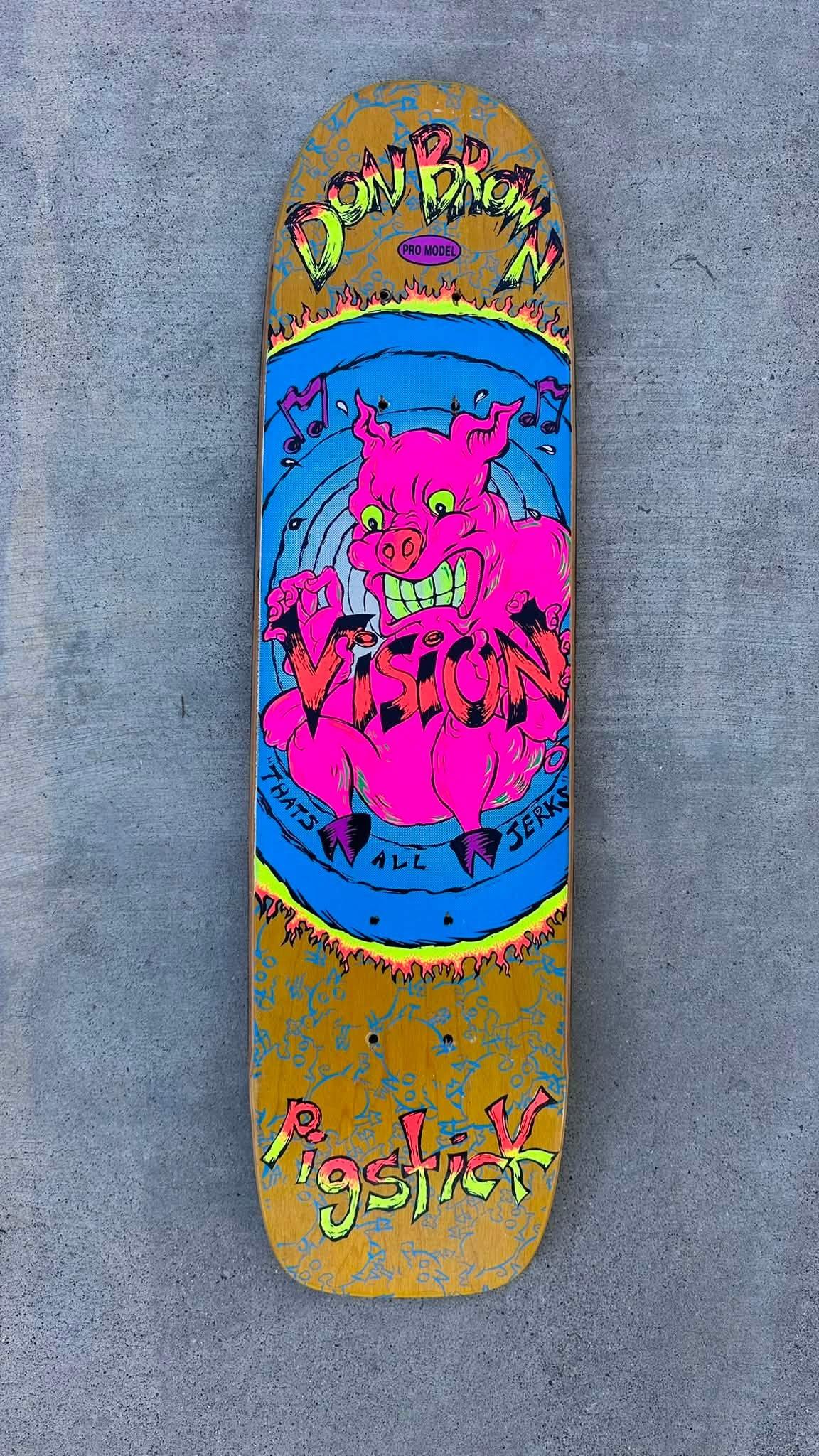
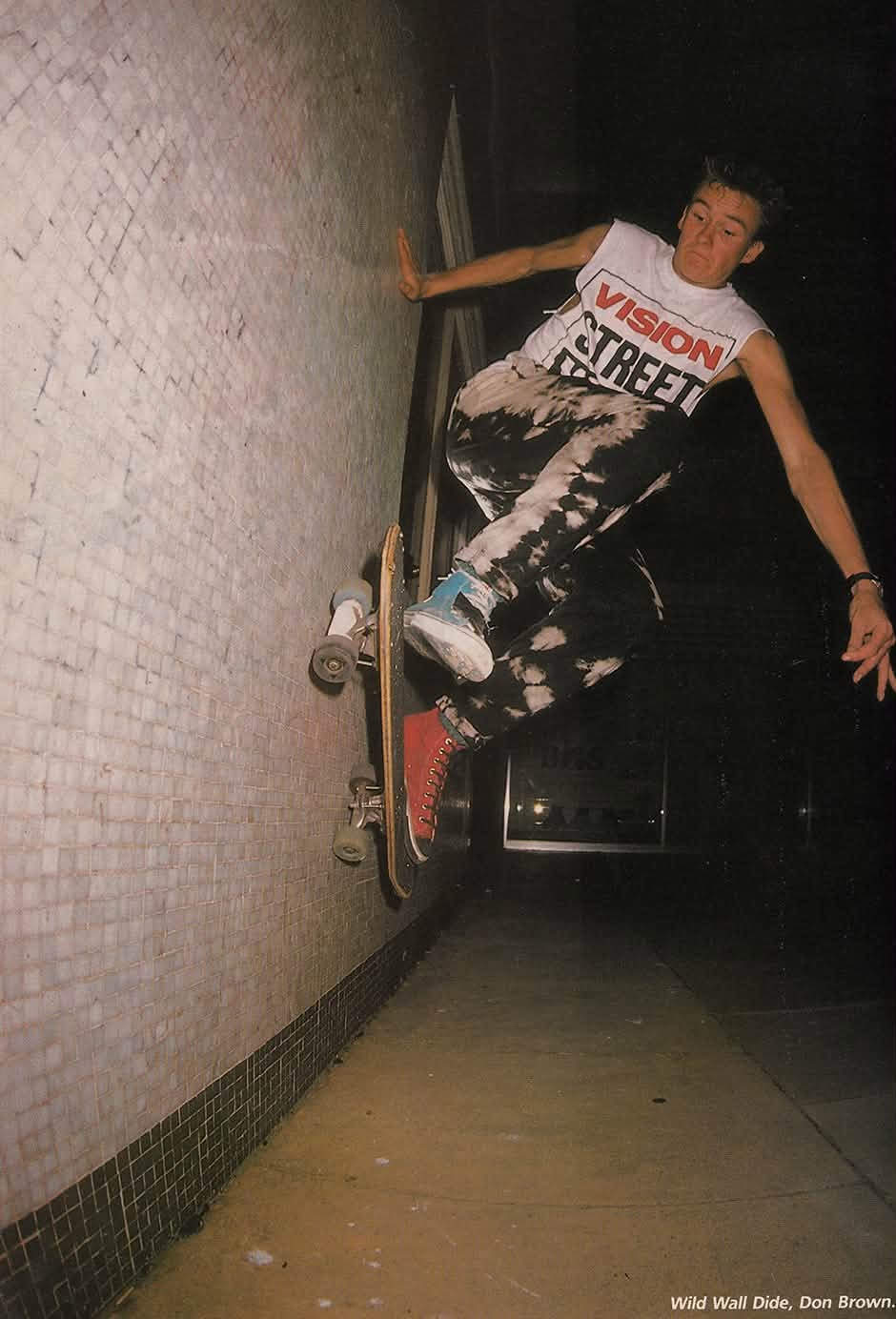
Don Brown arrived in America from Brighton, England, in 1984 with a one-way ticket and eventually found himself inside the Sims/VISION orbit.
He remembers a skateboard world small enough that simply encountering another skater could create an immediate friendship.
Before the retrospectives and legacy conversations, there were couches. A job inside VISION’s warehouse. Long bus rides. Something to eat. Then hours skating a tennis court.
Sleep. Wake up. Do it again.
There is something beautifully unstrategic about obsession before anybody understands its value.
Nobody was building a personal brand. Nobody could see an algorithm rewarding the trick. Nobody knew strangers might someday study the objects surrounding what they were doing.
They wanted to skate.
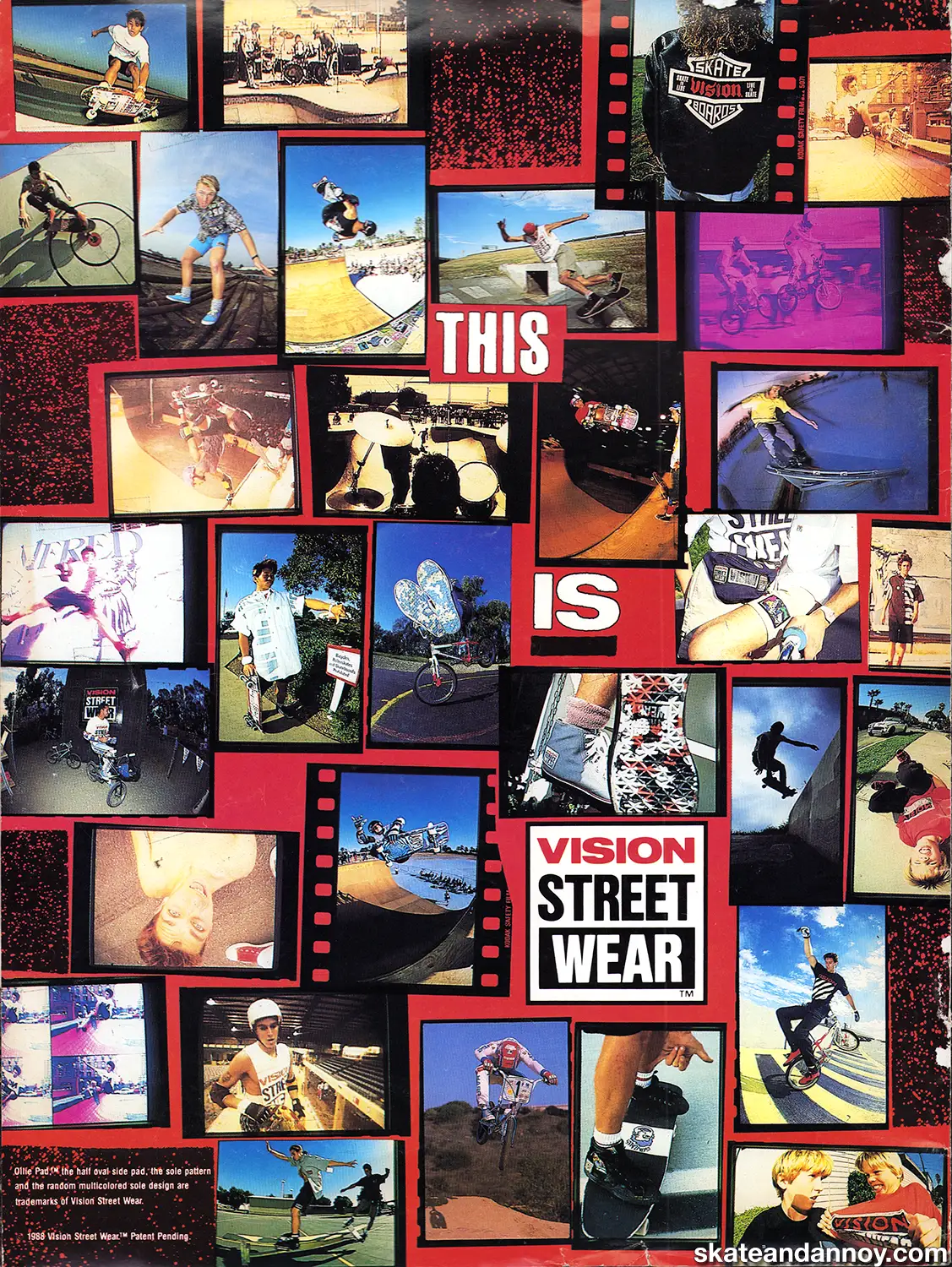
Brown became a VISION pro. Mark Gonzales became one of the defining figures in the evolution of street skating. Boards were shaped. Graphics were drawn. Contests happened. Videos circulated. People traveled. Tricks mutated.
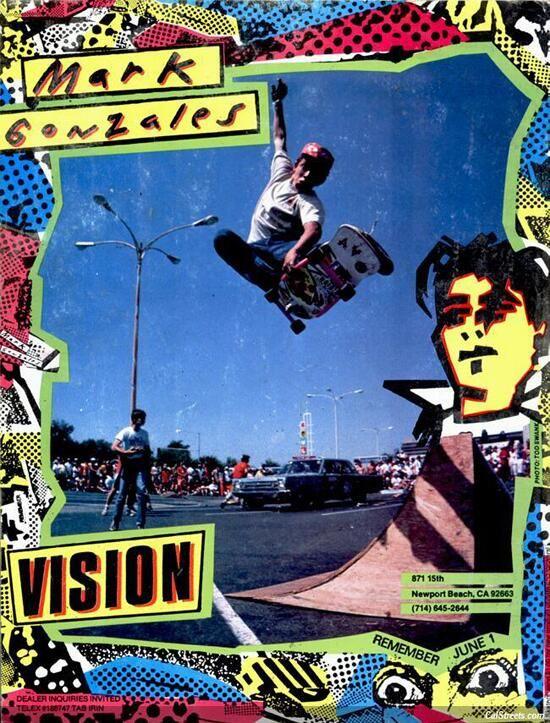
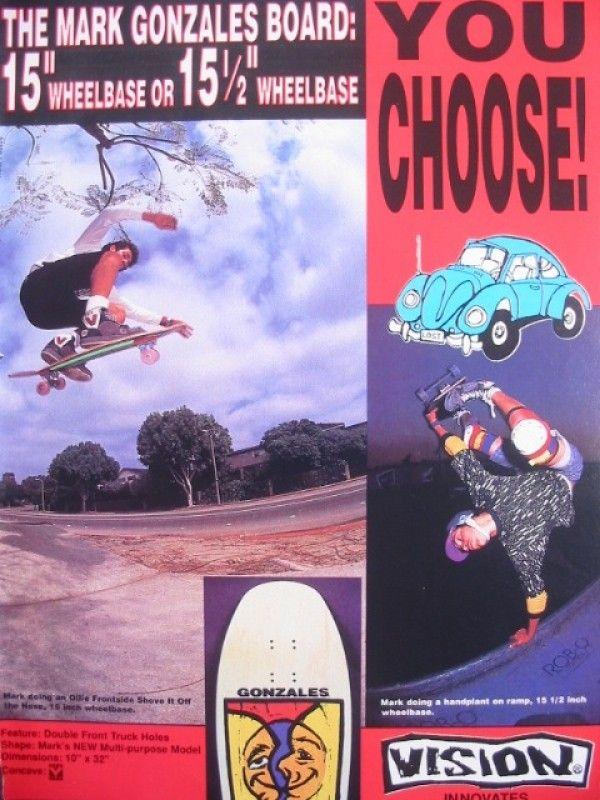
People found one another through the thing they loved.
That matters.
Because subculture isn’t really made by products. It’s made when people recognize themselves in other people.
The product comes later.
The mythology comes later.
The archive comes much later.
What we now call history was still somebody’s afternoon.
Culture rarely knows when it’s becoming culture.
Usually people are too busy living it.
BEFORE THE FEED, THERE WAS THE TAPE
A television flickers.
Tracking lines.
A board hits concrete.
Then guitar.
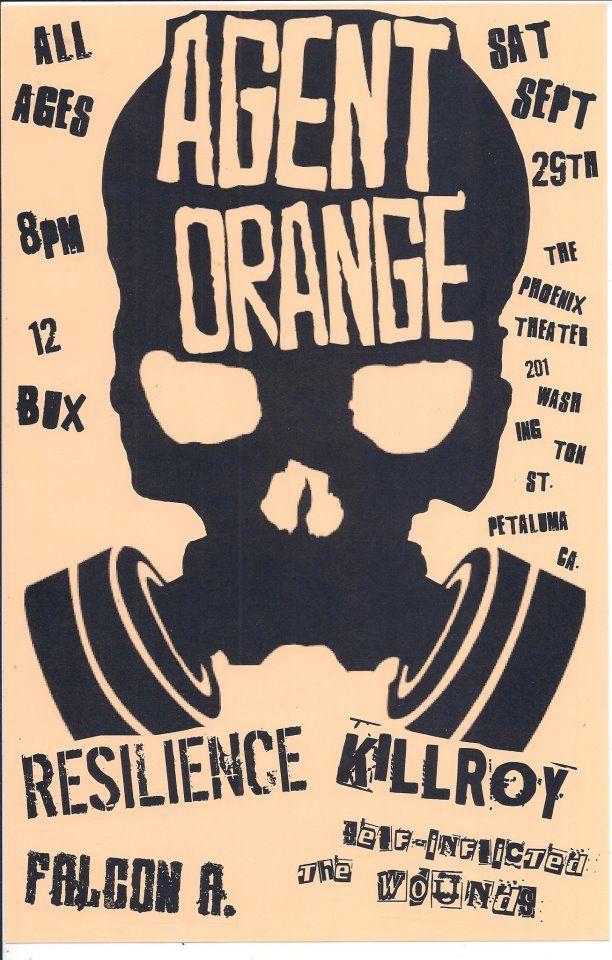
In 1984, VISION’s Skate Visions combined skating with the music of Southern California punk band Agent Orange.
 .
. 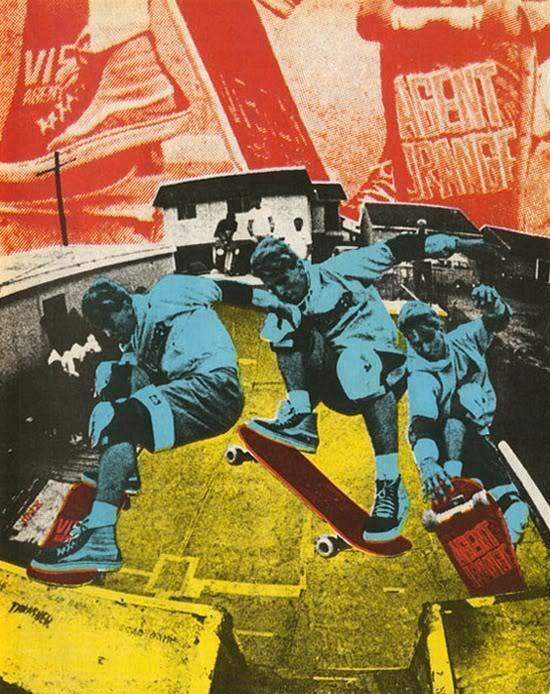
Long before a skate clip could move from Los Angeles to London in seconds, a videotape could carry an entire little world into somebody else’s room.
It carried tricks.
But it also carried sound.
Clothing. Graphics. Attitude. Movement.
A way of seeing.
Years later, Brendon Babenzien—who would go on to shape culture through Supreme and Noah—remembered Skate Visions as the place he discovered Agent Orange. The music stayed with him for decades.
That’s transmission.
A skateboard company makes a video. A kid watches the video. The kid discovers a band. The sound attaches itself to the movement.
Years pass. The kid becomes a cultural creator himself. No algorithm needed.
Before culture went viral, it traveled physically.
Tape to VCR. Magazine to bedroom. Sticker to lamppost. Board beneath somebody’s feet.
Person to person. City to city. The object had to move for the idea to move. And every time it moved, it picked something up.
A scratch.
A crease.
A fingerprint.
A memory.
BEAUTIFUL THINGS MADE TO BE DESTROYED
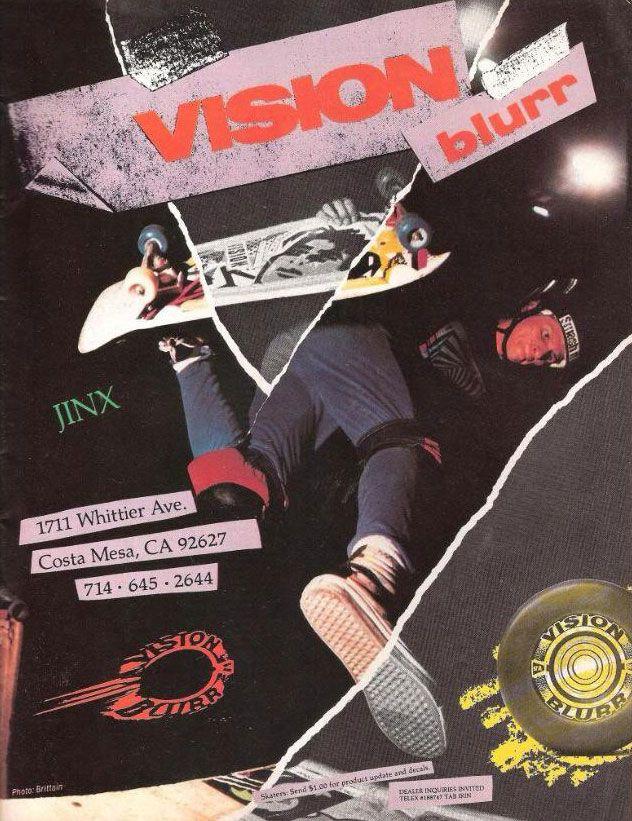
There is something almost perverse about skateboard graphics.
An artist spends hours making an image. Someone reproduces it carefully onto wood. A kid saves money to buy it, studies it, maybe props it against a bedroom wall for a few nights.
Then takes it outside and grinds the artwork directly against concrete.
Scratch.
Scrape.
Wear.
Image disappearing beneath use.
Skateboarding invests extraordinary creativity into making beautiful things people fully intend to destroy.
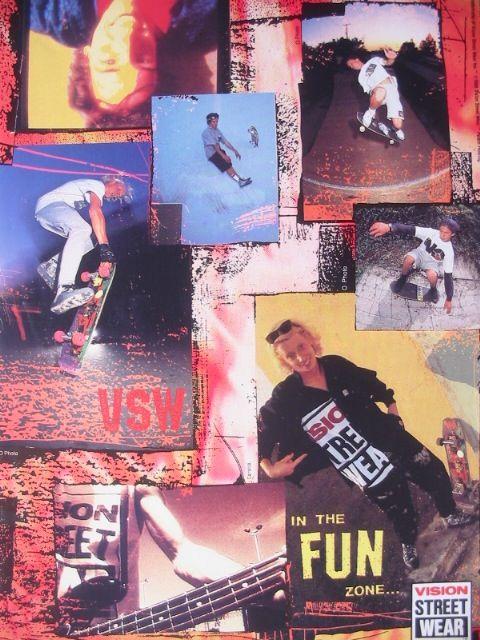
Walk the walls of FINDING VISION and generations of that contradiction appear beside one another. Shapes mutate. Graphics become louder. Faces become stranger. Illustration, punk, comics, typography and commercial design collide underneath two feet.
The skateboard becomes a canvas. Except the canvas moves.
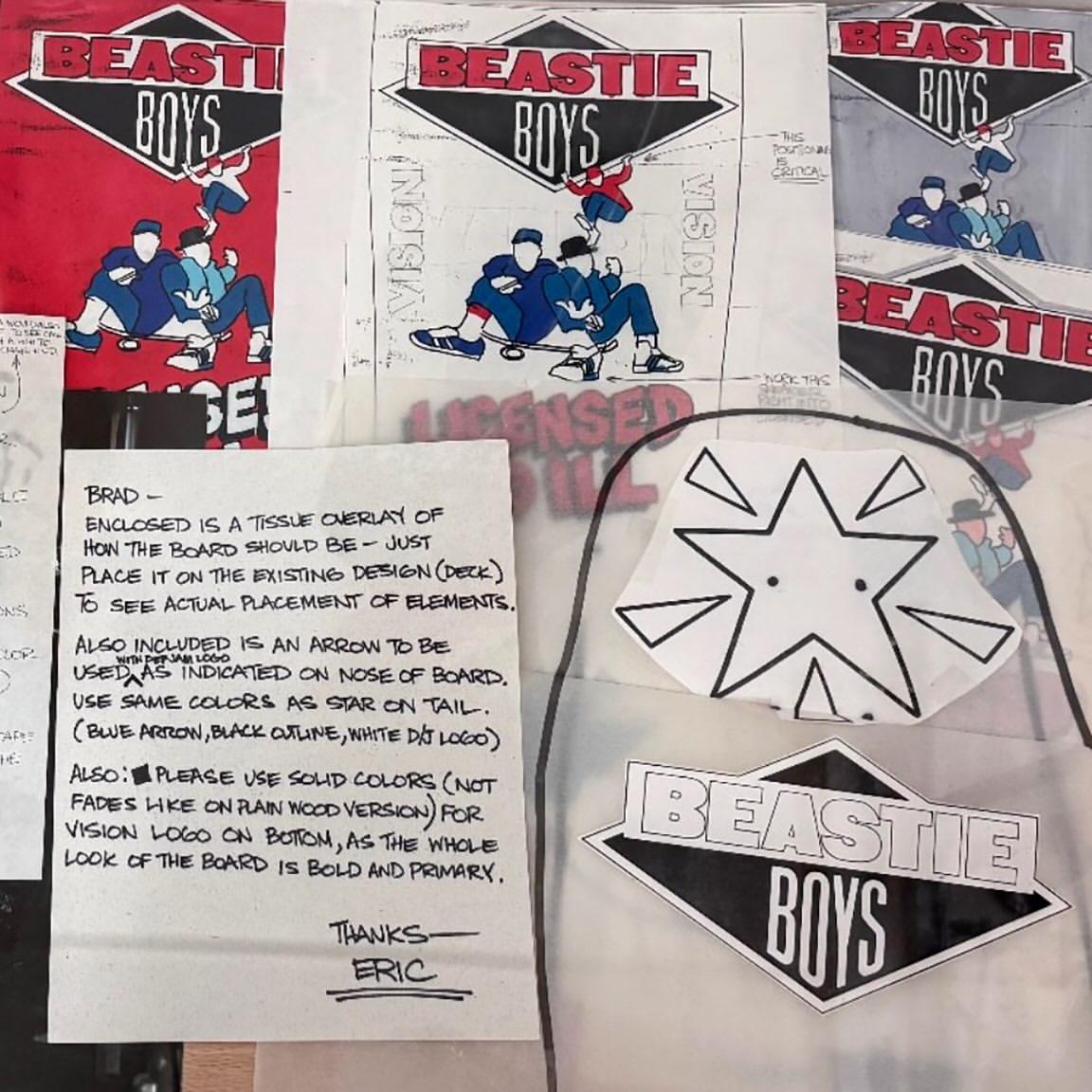
Inside VISION’s art department, much of that language was being made with tools that feel almost primitive against today’s creative software.
Paper. Pens. Scissors. Tape. Glue.
Xerox.
Artist Andy Takakjian remembers the copier becoming an essential creative tool. They pushed it. Distorted things with it. Mixed mechanical reproduction with hand drawing and built dirty, weathered textures that decades later could be summoned digitally with a click.
Copy the copy.
Distort it.
Move it.
Copy it again.
Today a designer can select distressed. They had to physically distress the image. The imperfection wasn’t an effect. It was evidence of process.
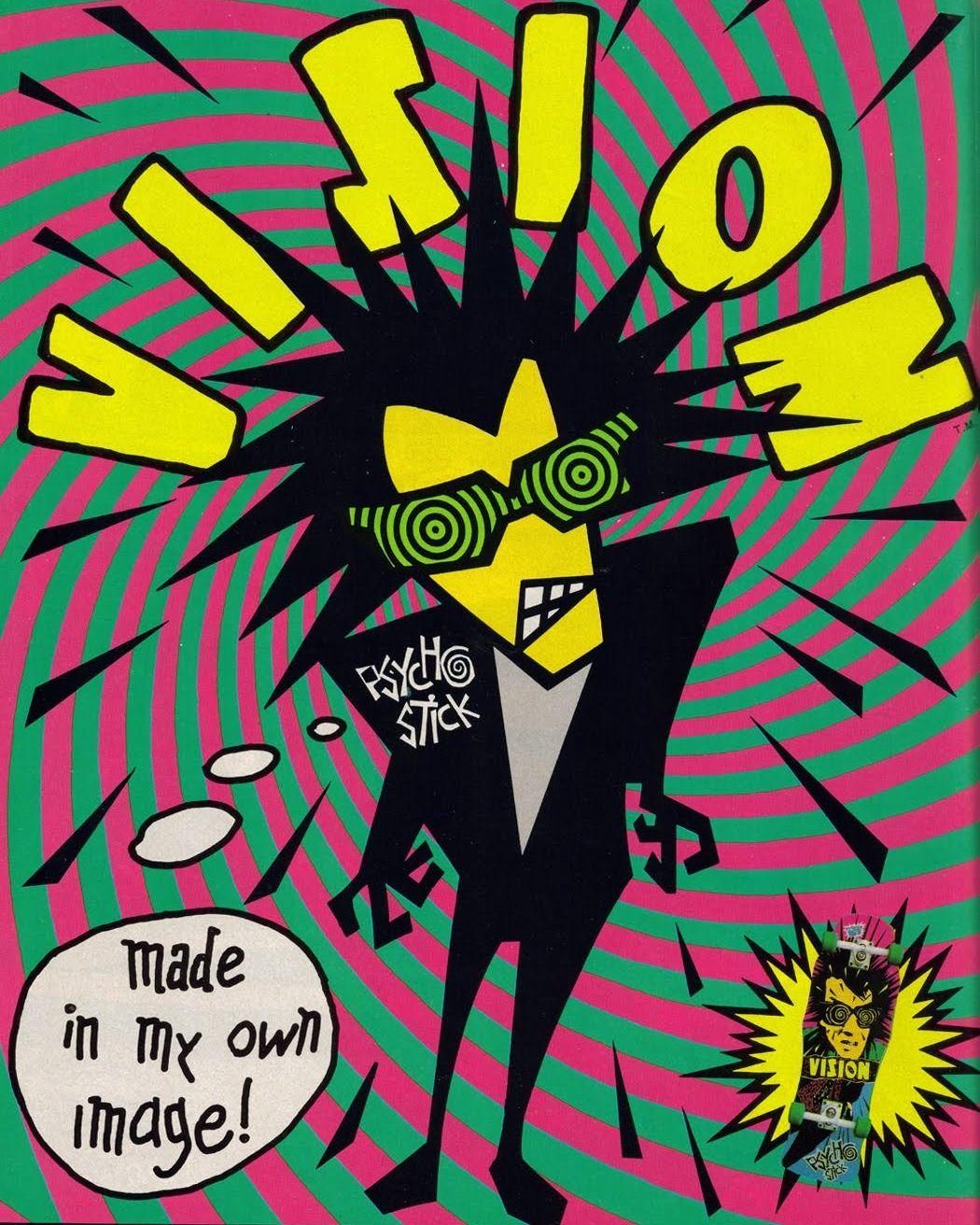
THE PSYCHO WAS A REAL PERSON
Sometimes cultural history begins with something remarkably ordinary.
A photograph of your friend sitting on your desk.
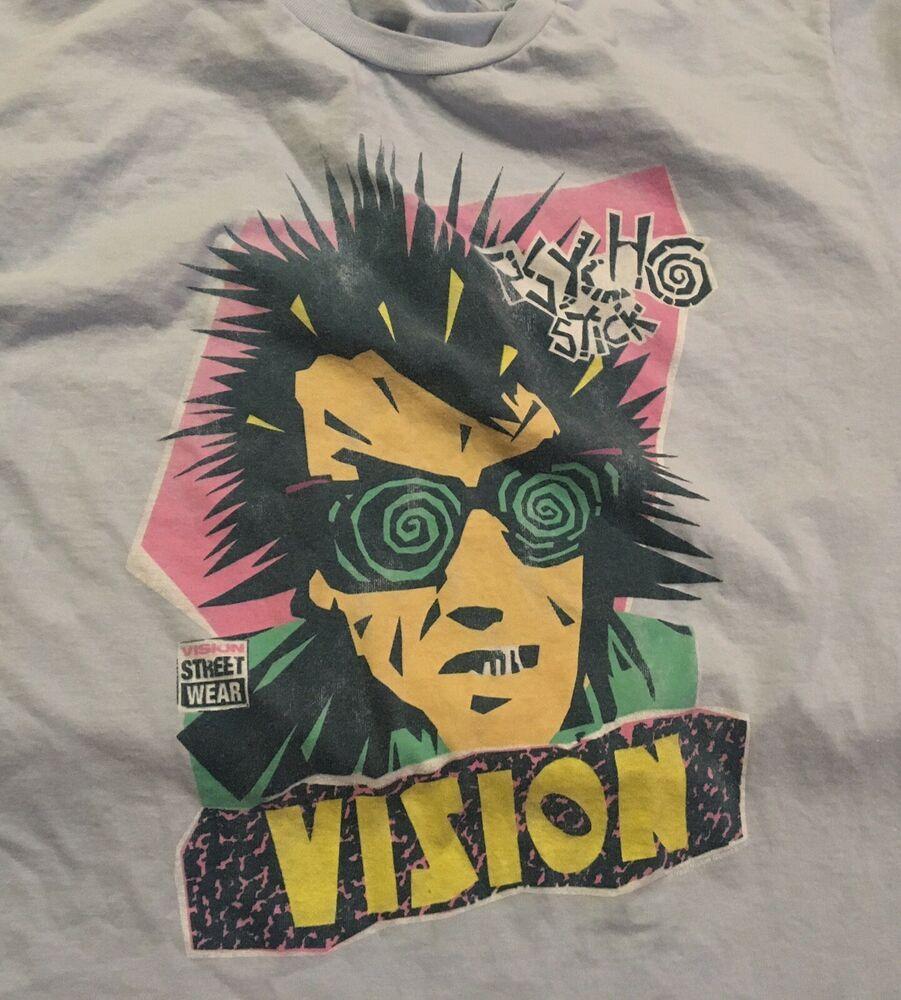
The Psycho Stick looks like something that must have arrived fully formed from some fever dream of ’80s skate culture.
It didn’t.
After working on Mark Gonzales’ first VISION graphic, Takakjian was called back. The direction for another deck was hardly a manifesto: something crazy. Zany. Nuts.
He took the blank shape home. On his desk was a photograph of his friend Gregory.
Maybe that could work.
Takakjian altered the photograph, taped elements together, brought it back to VISION, worked it further with Xerox and markers, added typography and—almost as a joke—drew spirals into the glasses.
He expected that part to be rejected. It stayed. So did Gregory’s face.
The Psycho Stick went into the world and became so recognizable that, according to Takakjian, local kids eventually began recognizing Gregory around VISION and asking him for autographs and stickers.
Think about how beautifully strange that is…An ordinary person’s face sits on a desk.
The face gets Xeroxed.
Distorted.
Drawn on.
Printed onto a skateboard. The skateboard travels.
The graphic becomes famous enough that strangers begin recognizing the original human being.
A person became an image. Then the image traveled back and changed what it meant to be the person. And it kept moving.
In 1987, a Psycho Stick appeared amid the artwork associated with INXS’s Kick.
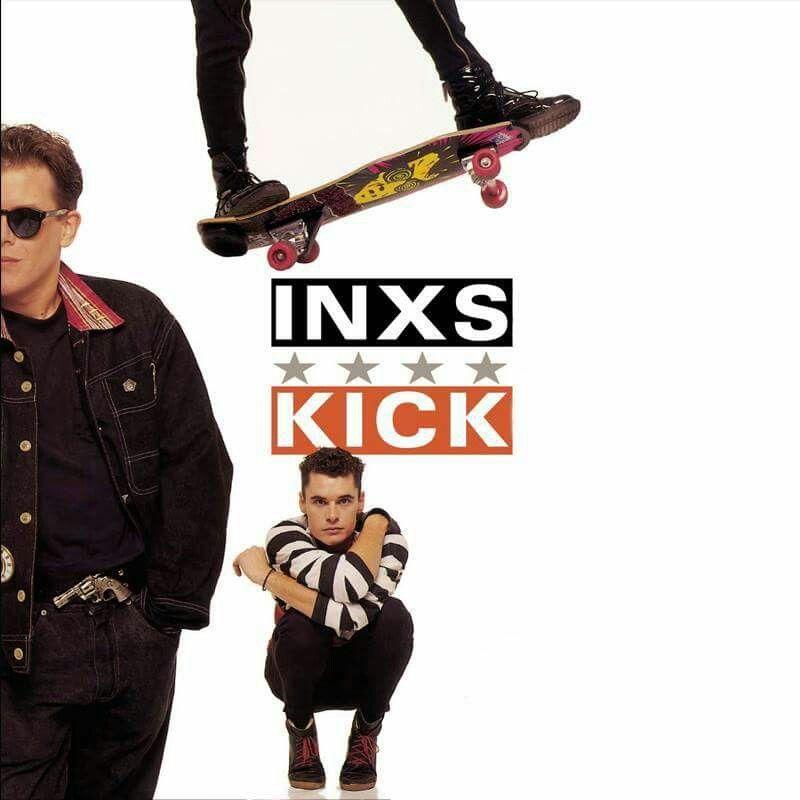
Now an image made for the underside of a skateboard—an object destined to be scraped against concrete—was moving through the world of one of the era’s defining rock records.
Drawing → skateboard → music → millions of eyes.
The image had escaped the board.
WEARING THE TRIBE
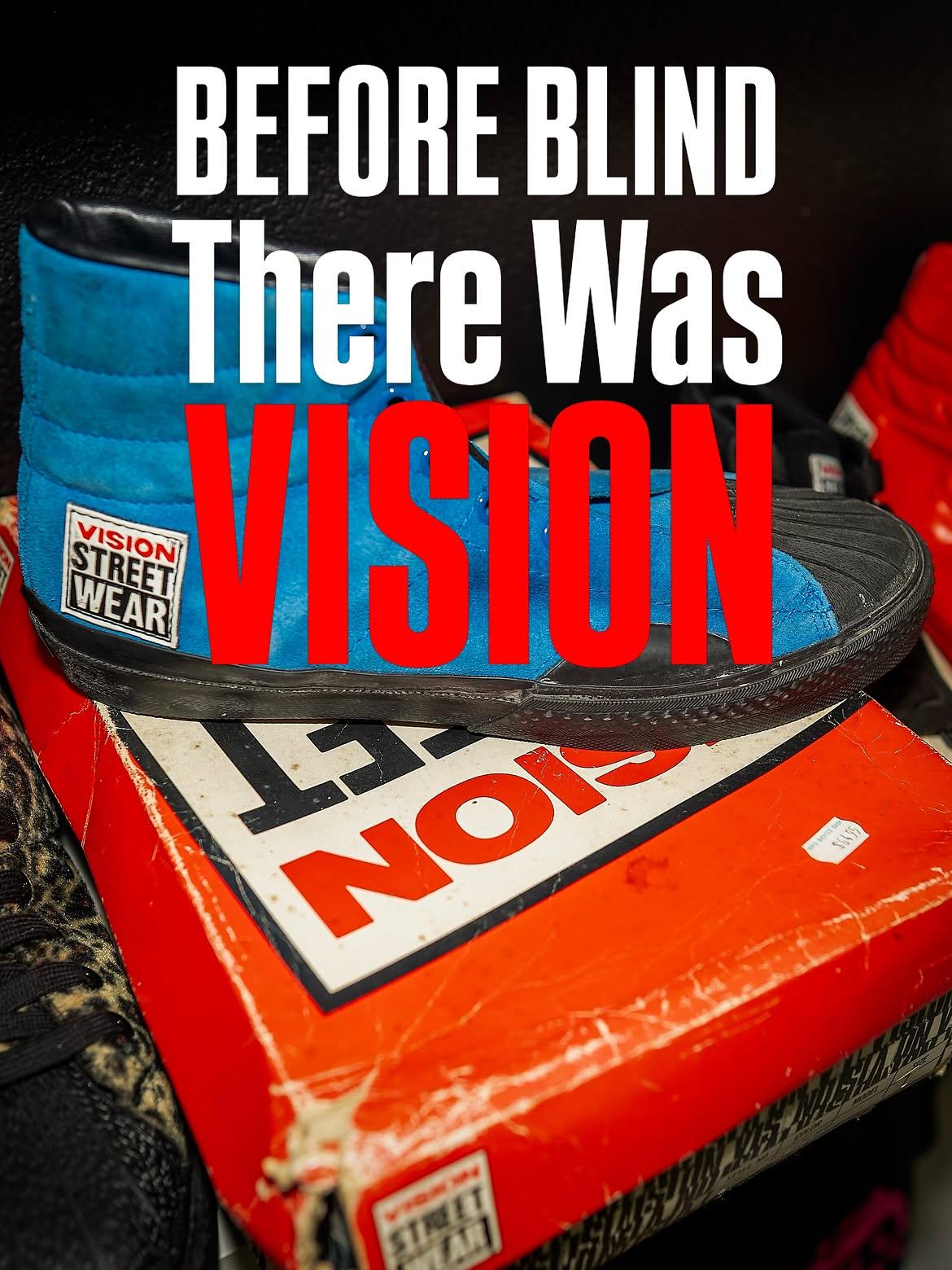
Shoes get destroyed differently when you skate.
Canvas tears. Suede thins. Grip tape eats material. The foot responsible for the ollie leaves its own evidence.
Skateboarding marks the uniform.
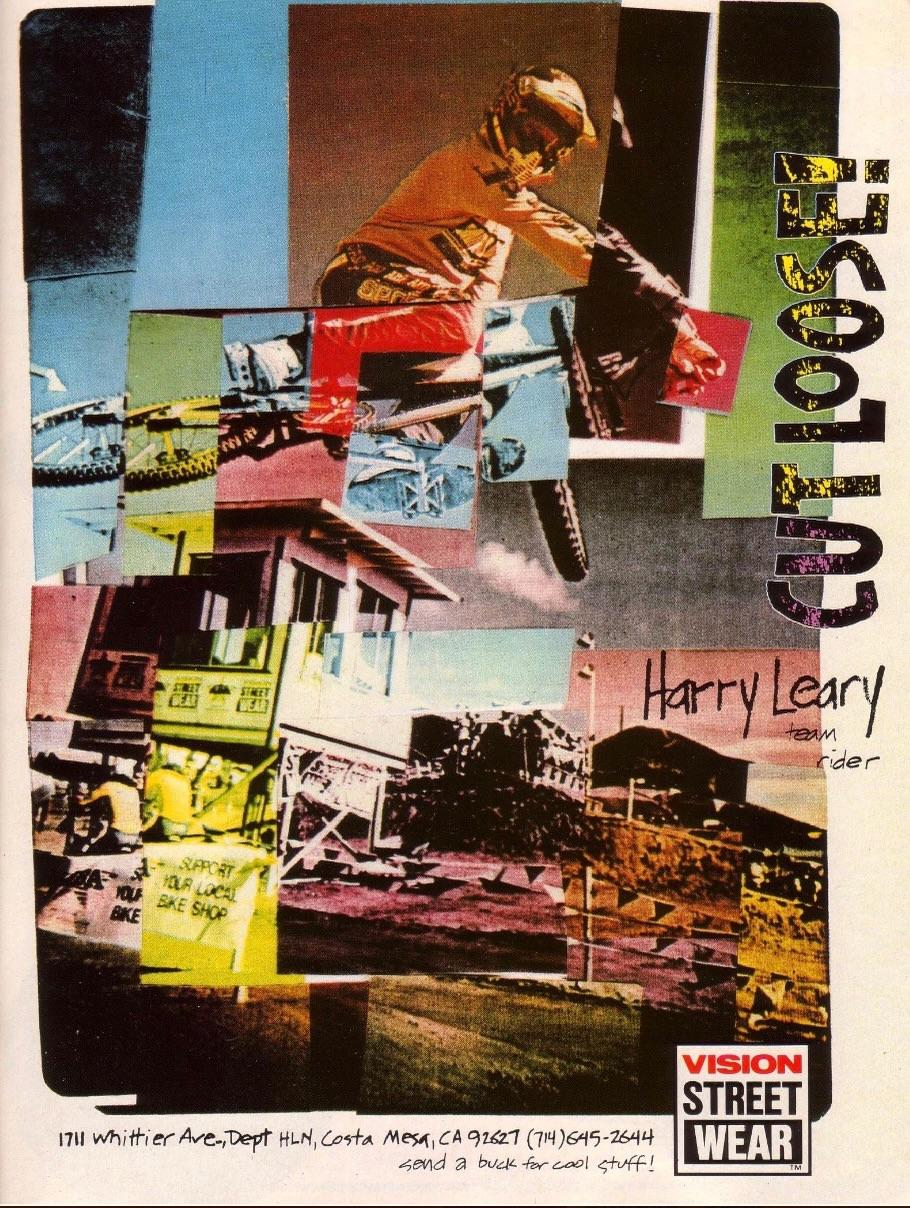
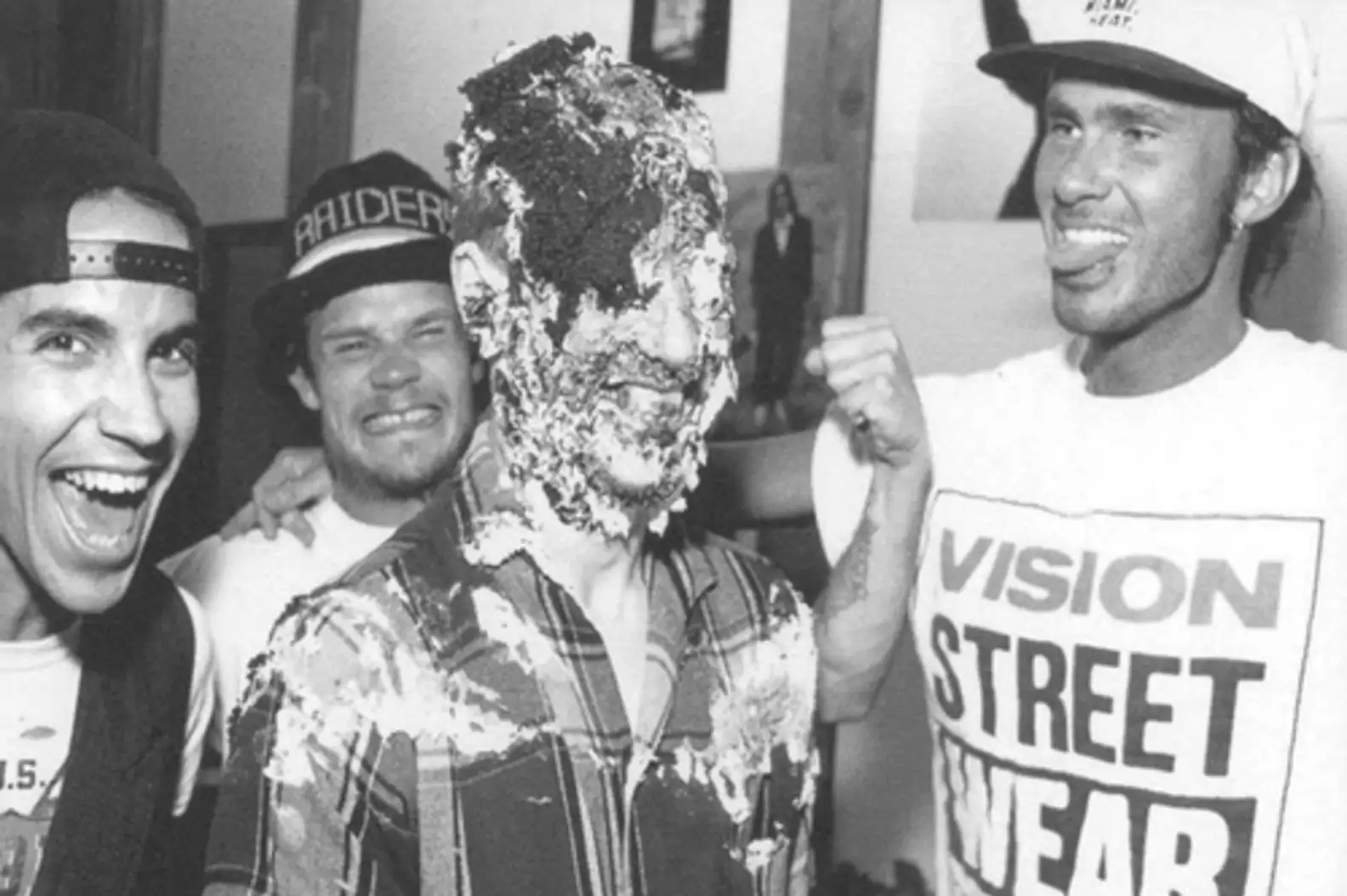
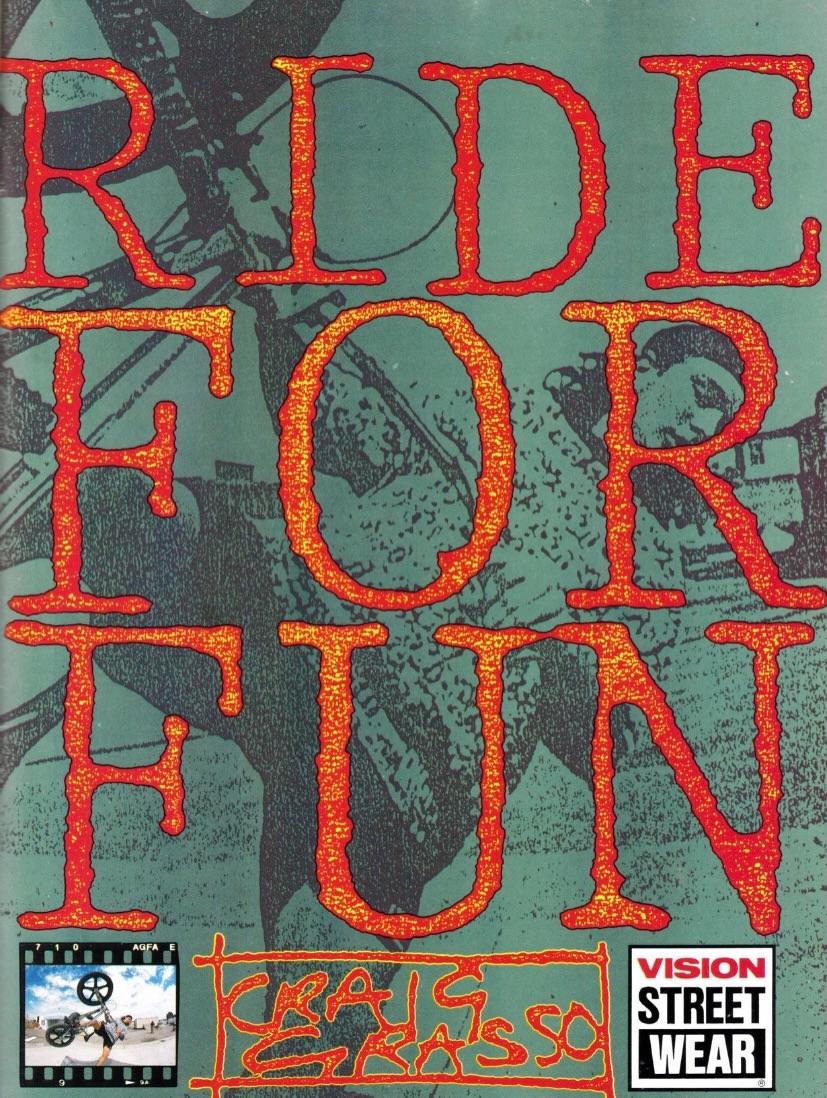
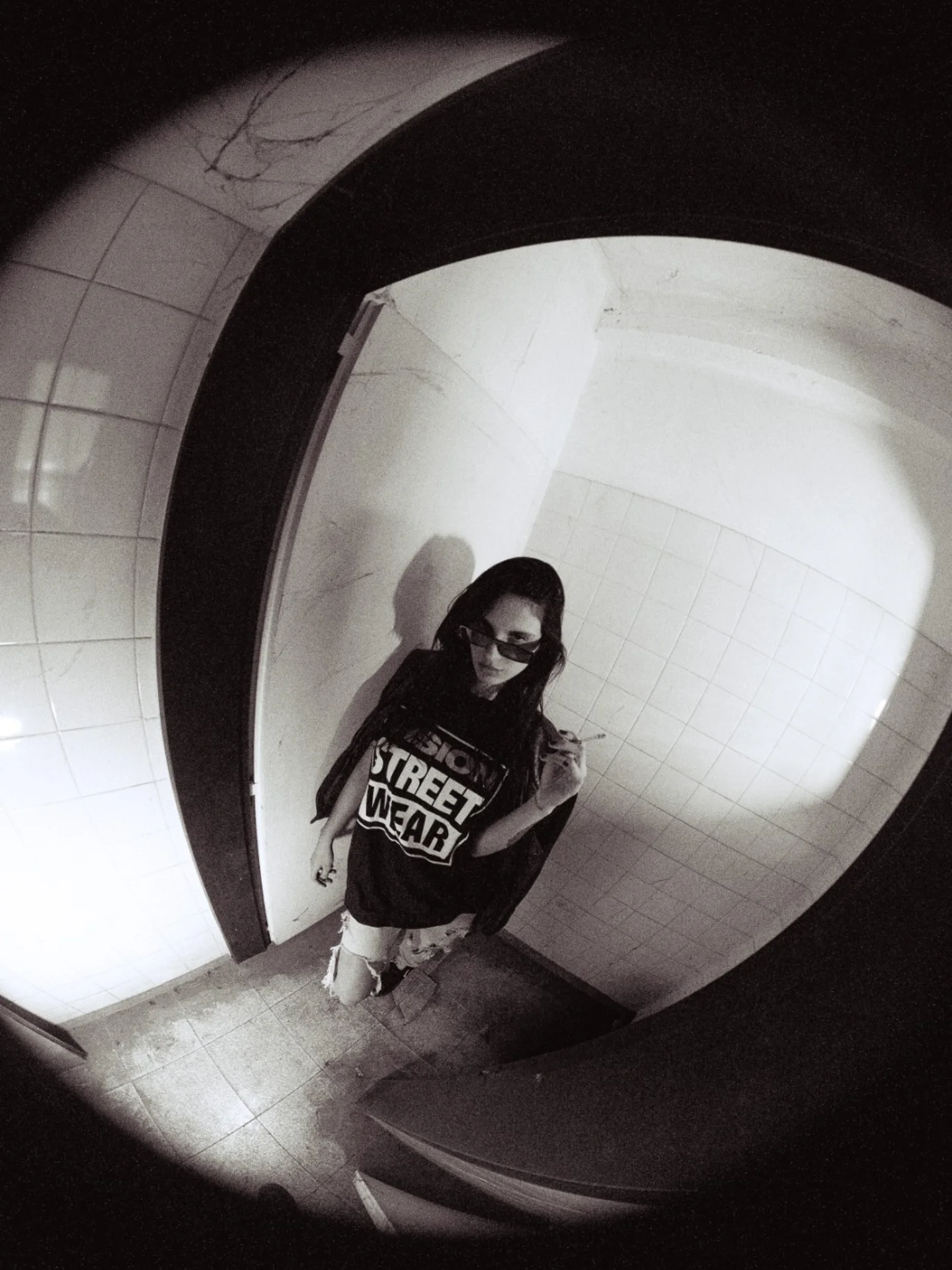
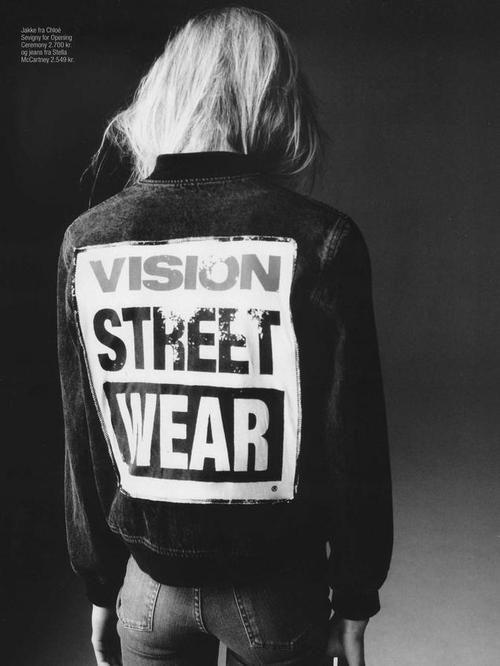
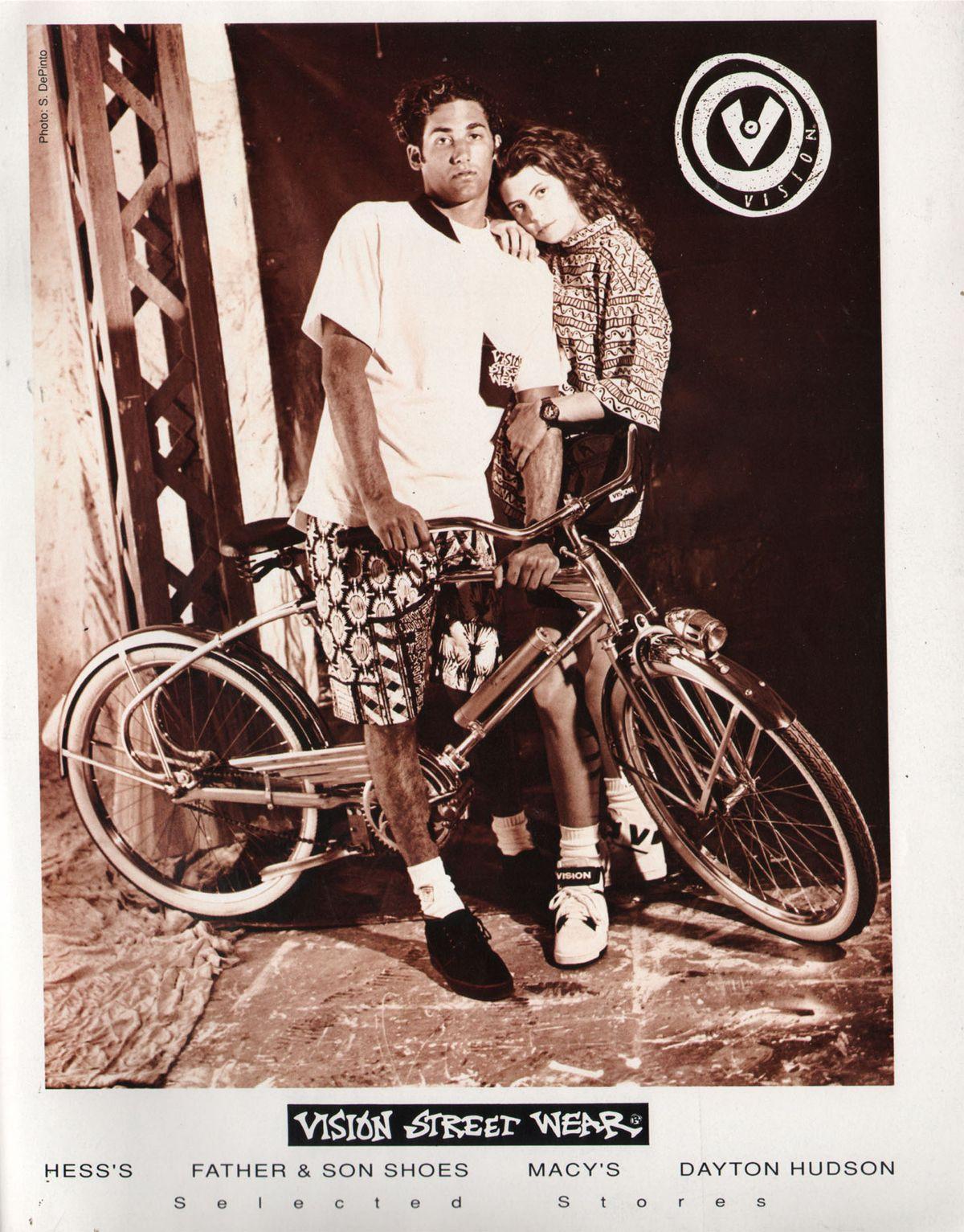
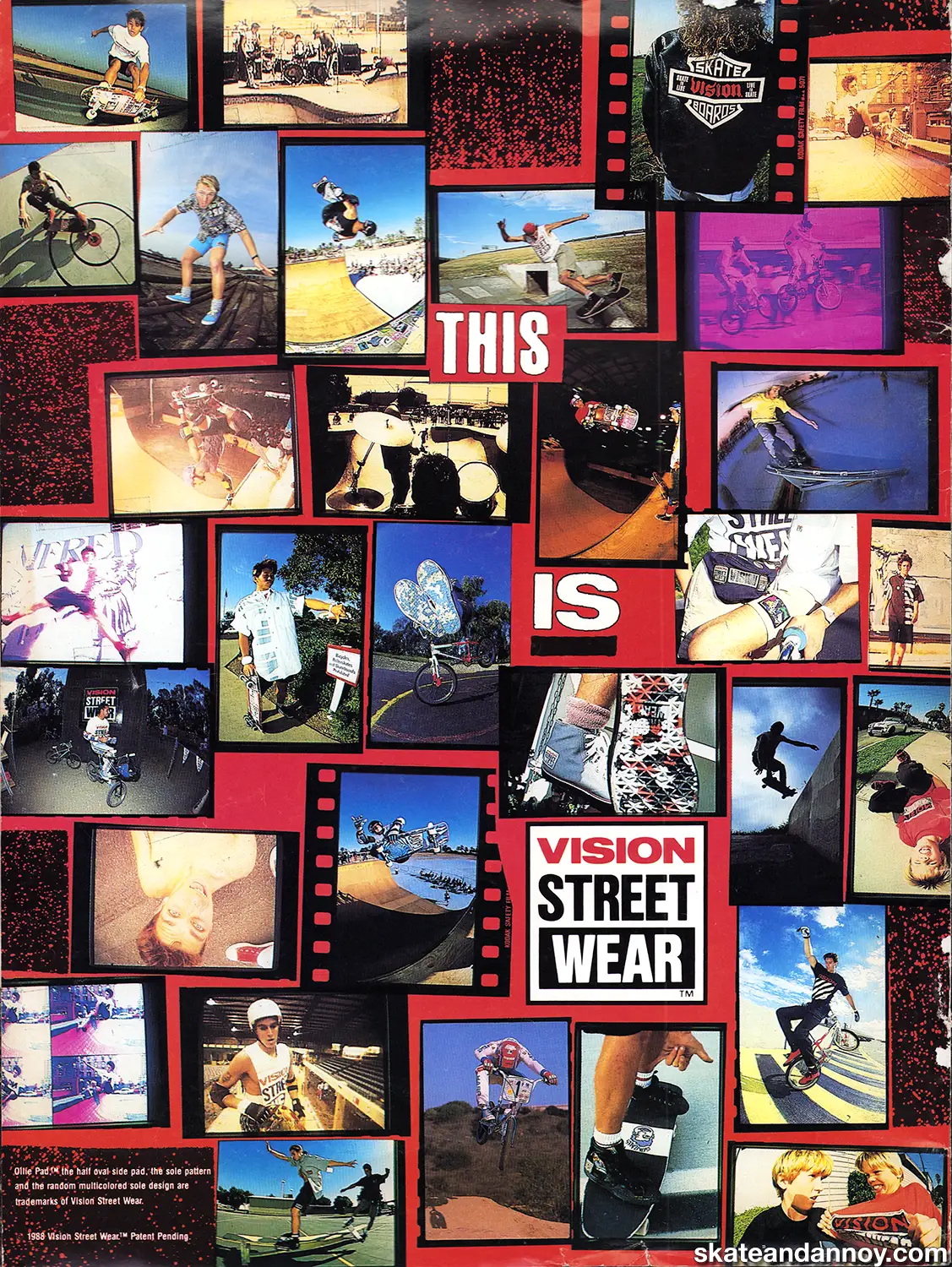
VISION Street Wear helped reverse the relationship.
The uniform could mark the culture.
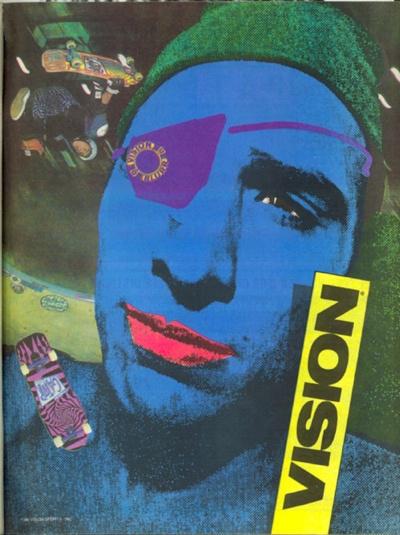
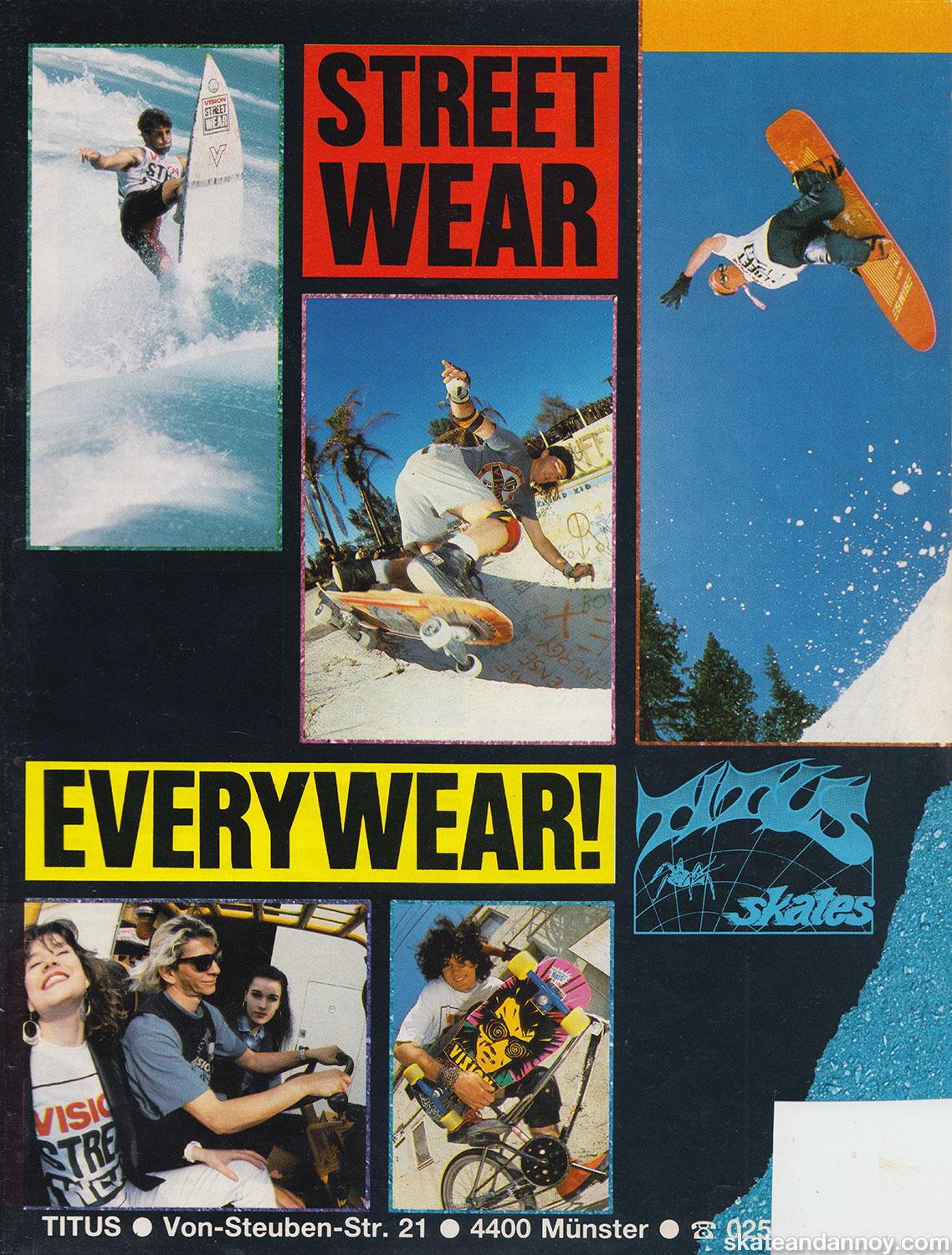
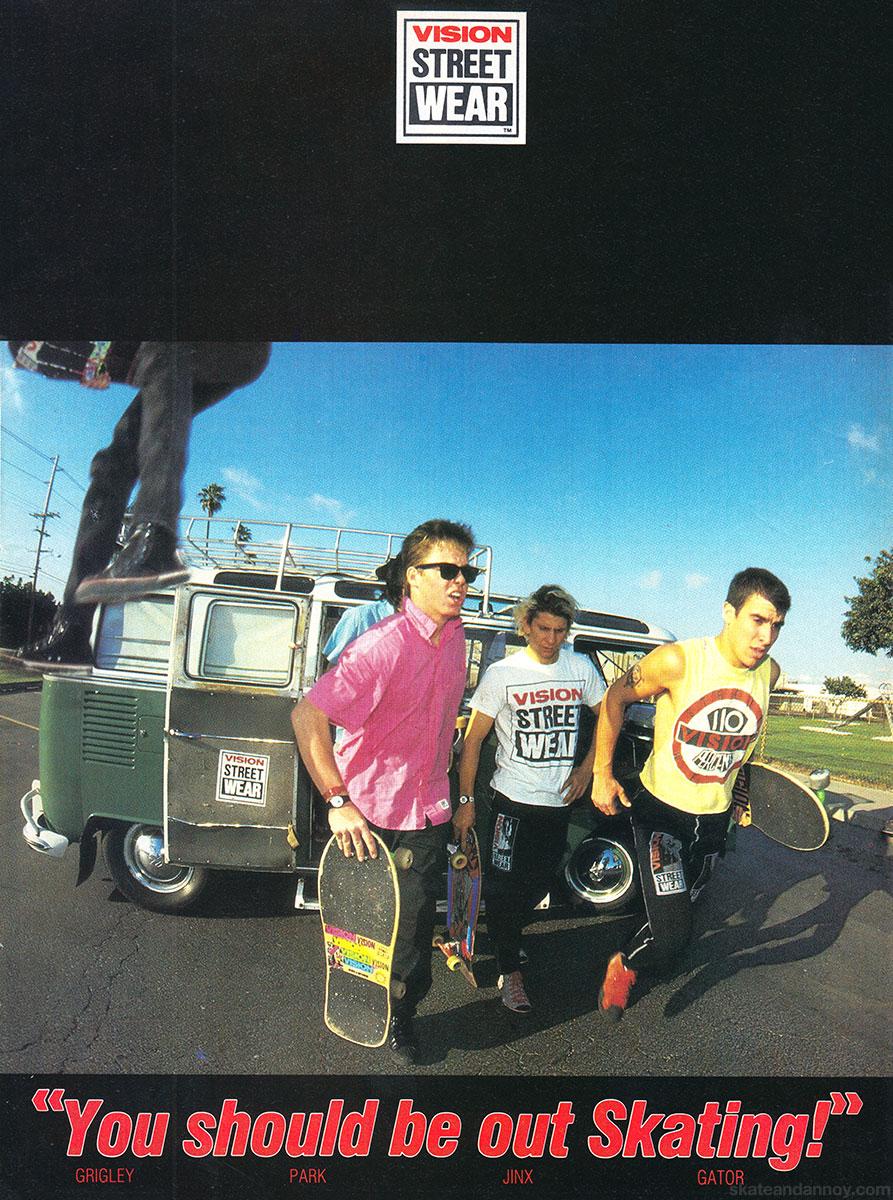
The graphics were loud. So were the patterns. Shoes, shirts, jackets, pants and accessories didn’t politely suggest where they came from.
They announced it.
Dorfman later described part of the impetus simply: skateboarders were being approached by surf companies for clothing sponsorships, so they wanted their skateboard company to make clothing of its own.
That apparently simple request contains a much larger cultural shift.
Why should a skateboarder have to dress like a surfer?
Why couldn’t skateboarding produce its own uniform?
By the late ’80s, VISION had moved far beyond skate shops. Period reporting connected VISION Street Wear with rock artists ranging from the Rolling Stones to Red Hot Chili Peppers, while its clothing appeared around videos by The Cult, The Cure and INXS.
Then MTV came calling.
In 1989, when the network wanted to extend its cultural identity into physical products, VISION Street Wear became one of four initial core licensees. MTV wasn’t merely looking for somebody capable of manufacturing clothing. An executive described wanting companies whose products embodied the network’s state of mind.
That state of mind had found a compatible uniform in skatewear.
Skate.
Punk.
Rock.
Art.
Fashion.
Video.
Television.
The borders begin dissolving…This feels ordinary now.
Of course a skate company can become a clothing company. Of course musicians wear skate brands. Of course somebody who doesn’t skate can participate in skate aesthetics. Of course an underground visual language can move into mass entertainment.
But of course is what culture says after somebody has already done the strange thing. That teenager in 1989 didn’t need cultural theory to explain any of this. He just wanted to walk into another room and still feel like himself. He wanted to wear the tribe.
WHEN THE OUTSIDER BECOMES THE ESTABLISHMENT
Then the weird thing gets popular.
The underground becomes visible. Visibility becomes influence. Influence becomes money. Money becomes infrastructure.
Eventually somebody younger looks at the people who once represented rebellion and decides they’re now the thing worth rebelling against.
VISION’s own history contains that contradiction.
By the end of the ’80s, the company that had grown alongside outsider culture employed hundreds of people and moved tens of millions of dollars through its ecosystem.
The little thing wasn’t little anymore…and scale changes things.
Dorfman later acknowledged that VISION Street Wear had grown too quickly in too many directions. He also remembered another problem: the team was heavily oriented toward vert while skateboarding’s center of gravity was shifting toward street.
Around the same period, Steve Rocco and a new generation of skater-owned companies began attacking the established powers—including VISION—as skateboarding mutated again.
The old model became something the next generation could reject. There is something almost reassuring about that. Not necessarily for the people running the company.
For the culture.
Because skateboarding would betray something fundamental about itself if it ever stopped allowing the next generation to look at what came before and say:
Nah. We’ll do it differently.
The trick evolves. The shape changes. The graphic gets scraped away. Some kid decides everybody has it wrong and starts again.
Culture survives partly because it permits its children to reject it. The rebel becomes the establishment. The establishment becomes material for another rebellion.
Concrete doesn’t care who used to be cool.

WHY THE WILD WEARS WELL
There is a peculiar thing humans do with wear. We imitate it.
We stonewash denim. Tear holes into jeans. Distress leather. Fade cotton. Crack printed graphics. Add scratches to photographs. Put grain over digital images. Reproduce the irregular edges of Xerox copies using machines infinitely more precise than the copier that created them.
We manufacture imperfection. We even pay more for it.
There is an obvious aesthetic explanation. Wear can look good. But that doesn’t quite explain why.
A real pair of jeans doesn’t fade randomly. The body makes a map. Knees lighten where they bend. Fabric softens where hands reach. Wallets leave ghosts in pockets. Seams fray where friction repeats itself.
A skateboard does the same thing. So does a shoe. So does a body.
Calluses are memory made physical. A scar is an event the skin kept. Wear is time becoming visible.
Maybe that’s part of what we are responding to when something beautifully broken-in feels more alive than something untouched.
Not damage. But evidence.
Evidence that the object belonged somewhere. That somebody reached for it repeatedly. That something happened here.
There’s an irony inside FINDING VISION because so much of the visual language surrounding skate culture eventually became reproducible.
The Xerox grime became a texture. The torn clothing became fashion. The beat-up shoe became a silhouette designers could study. The faded graphic became an aesthetic.
Culture learned how to manufacture the appearance of having lived.
But appearance and memory are not quite the same thing.
You can print the crack. You can’t print the afternoon that made it.
WATCH THE PEOPLE
But spend enough time inside the room and eventually the objects stop being the most interesting thing in it.
Someone stops in front of a deck and something changes in their face. Fingers move through old paper. Someone points. Someone laughs. A story begins. A younger person leans closer while somebody older remembers.
The object barely moves. The person does.
That may be the strange magic of an archive like this. Wood, paper, cotton and ink are only the physical evidence. What they carry can’t actually be hung on a wall.
The first trick landed. The friend standing beside you. The song coming through shitty speakers. The skate shop that felt like home. The magazine passed between friends. The parking lot still warm after the California sun disappeared. A version of yourself you haven’t met in years.
None of that is technically in the archive.
Somehow, all of it is.
Across the room were generations separated by age but connected by recognition—some remembering a culture they lived, others discovering pieces of one they inherited.
Different memories. Same electricity.
Maybe that’s why these objects survive. Not because wood deserves worship or an old T-shirt becomes sacred with age. Because humans leave pieces of themselves on the things they live with.
The archive preserves the object. People preserve the feeling.
And maybe that is what happens when you strip all of this down far enough.
Strip away the collectibility.
The mythology. The logo. The artifact itself.
What remains is the thing that was there before any of it became history:
A shared obsession. A little rebellion. The nerve to look at something everybody else accepts and imagine another use for it. To try the new trick. Take the fall. Get the scar. Make the thing nobody asked for yet.
That spirit is harder to archive because it was never really inside the object. The object just gave it somewhere to land.
Maybe that’s what has actually been passed from hand to hand for fifty years. Not the deck. Not the shirt. Not the Xerox.
The soul.
Bodies age. Cotton fades. Wood splinters. Ink disappears.
Soul finds another body.
DON’T DIE WONDERING
After spending enough time inside the history, it stops sounding much like advertising.
It starts sounding like a description of the behavior that created it.
Could I make that jump?
Could I clear that rail?
Could the board be shaped differently?
Could the image get stranger?
Could a skateboard company make its own clothing?
Could skating and punk live inside the same thirty minutes of videotape?
Could a Xeroxed photograph of somebody’s friend become an image recognized around the world?
Could something happening among a relatively small group of people in Southern California become a visual language somebody in Tokyo or Shanghai would understand fifty years later?
Most cultural breakthroughs look inevitable from the future. From the beginning, they usually look like somebody risking being wrong.
Try. Miss. Adjust. Try again. Get scraped up. Get back on.
FIFTY YEARS YOUNG
Eventually another page turns. A hand moves across old paper. A phone camera focuses. Across the room, rows of boards hang silently. For a culture built around motion, there is a remarkable amount of stillness here.
Soon the archive moves again. Los Angeles → Shanghai → Tokyo.
Something born inside Southern California skate culture spends its fiftieth year traveling internationally as history. But history isn’t really what leaves the room with you.
Outside, Los Angeles is still Los Angeles. The sun has baked the pavement all day. Curbs wait to be misused. Somewhere, four urethane wheels meet concrete.
Clack.
Push.
Push.
Roll.
Maybe the kid on the board knows VISION. Maybe they don’t. That matters less than you might think… Because culture isn’t inherited only through knowledge. Sometimes we inherit permission.
Permission to look at something everybody understands one way and see another possibility.
To make something before a category exists for it.
To ruin something beautiful by actually using it.
To let music change how movement feels.
To find your people through the thing you love.
To reject what the last generation built.
To build something the next generation may eventually reject.
To leave fingerprints without knowing whether anybody will ever bother looking for them.
Fifty years from now, most of what feels urgent today will be gone.
The posts. The drops. The campaigns. The metrics.
Perhaps longevity was never about staying pristine. Maybe the things that last are the things we use hard enough to become part of us.
Sun fades the color. Concrete leaves scars. Time wears through almost everything.
The good stuff keeps its soul.
Somewhere outside, a kid rolls toward a piece of architecture that wasn’t designed for them. Looks at it. Slows down. Sees something else.
For a second, the future doesn’t exist yet.
Just California sun. Concrete. Four wheels. A wild idea. And the oldest question inside every new thing:
What if?
Push.
Push.
Then go.
VISION had another way of saying it.
DON’T DIE WONDERING.
—
STRIPPED | Created by Sarah Rose
Field Notes from a Female Anthropologist of Modern Culture
Exploring the pulse beneath the noise.