A living portrait told through voice, memory, and the things we choose to keep.
STRIPPED | TALK DIRTY TO ME | created by Sarah Rose
THE WOMAN WHO FEELS LIKE THE SUN
On the music that raised her, the voice she built, and the light she leaves in other people’s lives.
FEEL EVERYTHING
“I’m an empath. Like, I feel…I feel hard.”
There’s a particular kind of woman who can make you feel like you’ve known her your whole life. She has a way of drawing people close without pulling them. Of making room for your story even when she’s carrying a thousand of her own. Her laughter comes easily. Her heart, less cautiously.
Laura Stylez is that kind of woman. The kind who feels joy with her whole chest. Who loves fiercely, gets angry, gets hurt, and still finds herself reaching toward people instead of away from them.
There’s nothing fragile about it. To stay tender in a world that can make tenderness feel dangerous takes its own kind of courage. To keep caring, keep listening, keep showing up, even when life gives you plenty of reasons to close yourself off.
And Laura has made a life out of listening.
For more than two decades, her voice has traveled through radio frequencies, headphones, car speakers, and the early-morning rituals of people who have never met her. She’s helped soundtrack a city, shared space with some of hip-hop’s most influential voices, and built a career around the culture that first made her feel like she belonged.
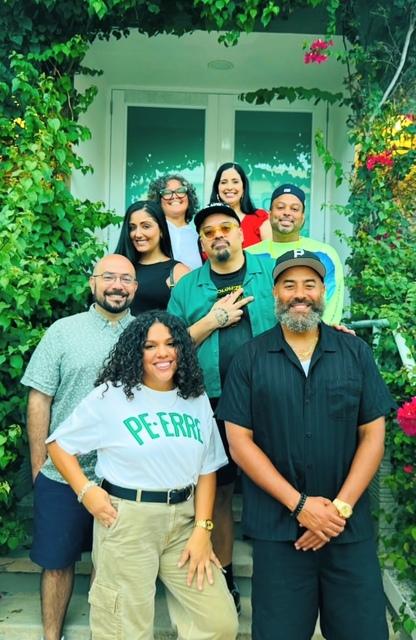
But the most revealing thing about Laura isn’t how far her voice has traveled. It’s how much of her heart has traveled with it.
When she reaches back into her earliest memories, she doesn’t begin with the industry. She doesn’t talk about the first time she sat behind a microphone. She remembers her mother, an open doorway, and the sun going down.
THE SUN THROUGH THE DOORWAY
Celia Cruz is playing loud enough to reach outside. La Vida Es Un Carnaval. A song full of defiance and joy, reminding anyone listening that life is worth celebrating even when it hurts.
Inside, Laura’s mother is cooking, cleaning, moving through the familiar work of keeping a home alive. The music fills the spaces between everything she’s doing. Outside, a little girl sits near the open door. The sun is sinking. There are trees. The city murmuring around her. Salsa drifts from the house, mingling with the sounds of the neighborhood as afternoon begins to surrender to evening.
Every so often, her mother checks on her. A glance through the doorway. A little reassurance that she’s still there. And Laura watches her mother find joy in the middle of an ordinary day.
Hear Laura
That’s the part she remembers most. Not a birthday. Not a holiday. Not some grand occasion the family would spend years talking about. Just her mother, busy with the things that needed doing, finding enough happiness in a song to let it fill the house. And her daughter, sitting close enough to feel it.
There’s something almost unbearable in the sweetness of childhood memories like these. How something so small can stay so alive. How you can forget entire years, lose touch with people you once saw every day, watch whole neighborhoods change around you, and still remembe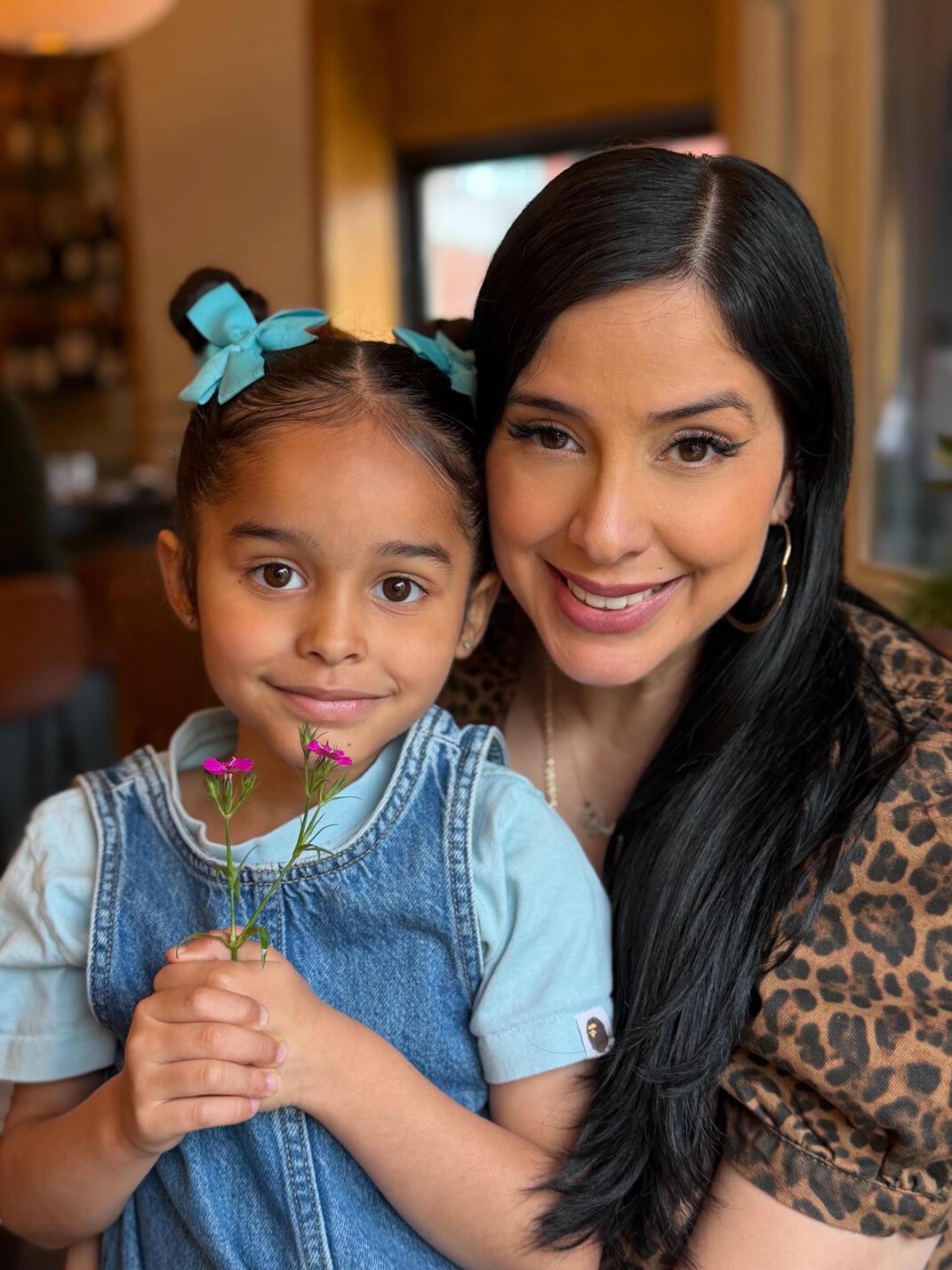 r the exact feeling of being a child while your mother was nearby.
Somewhere inside Laura, that door has never closed. Celia is still singing. The trees are still moving against the evening sky. And her mother is still there, finding a little joy in the middle of everything.
Maybe that’s where Laura first learned what warmth really was. Not something you perform for other people. Something you let them feel.
She didn’t need to understand the lyrics, the history of the record, or the extraordinary voice carrying through the house. She only needed to know what it felt like to be there. Years later, that feeling would become part of how she moved through the world. And music would become the thread connecting nearly everything.
THE RECORD THAT SAID YOU BELONG
The salsa eventually gives way to another kind of rhythm. A needle finding its groove. A record scratched backward. A beat cut apart and stitched together again.
Laura remembers watching breakdancers, fascinated by the bodies moving in circles, the crowds gathering around them, the way a little patch of pavement could become a universe. She remembers DJs working the turntables, cutting, scratching, mixing, beat juggling, making something new out of something familiar.
It wasn’t just music. It was imagination made physical. And there was a whole community built around it.
 For a young Laura, growing up with parents who had come to America from Guatemala, that community offered something she was still trying to understand about herself: belonging. She knew the strange tension of growing up between cultures. The pressure to fit in, to be American, while carrying the language, traditions, and history of a family whose roots reached somewhere else.
Then came The Fugees. Lauryn Hill’s voice. Wyclef Jean waving the Haitian flag. A group wearing its identity proudly, withoutshrinking any part of it to make other people comfortable.
Laura remembers being captivated by that pride. They weren’t trying to become something more acceptable. They were showing the world exactly who they were. And for a girl learning how to carry her own heritage, that mattered.
She played Blunted on Reality over and over, drawn to the production, the sound, the way it all came together. When The Score arrived, the connection deepened.
Hear Laura
There are records you fall in love with. And then there are records that seem to recognize something in you before you’ve fully recognized it yourself.
For Laura, hip-hop became more than a soundtrack. It became a place to stand. A culture where the stories of people who came from somewhere, who struggled, who created beauty out of what they had, could take up space without apology.
The music coming through her mother’s doorway had taught her what home could feel like. Hip-hop taught her that home could be something you found, too. Something you built with other people. Something you carried in your voice.
And one day, that voice would take her somewhere she had only dreamed of going.
 THE GIRL WHO FOUND HER FREQUENCY

Before Laura Stylez became a voice woven into the fabric of New York mornings, she was a young woman with a dream big enough to pull her across the country. She left Los Angeles for New York as a teenager, carrying ambition, curiosity, and an almost magnetic pull toward the music that had made her feel understood.
New York doesn’t exactly roll out a welcome mat for dreamers. It moves fast, talks faster, and rarely stops long enough to ask whether you’re keeping up. But Laura wanted to be in the thick of it. Close to the records, the artists, the people who could turn a few minutes of sound into something a whole city would carry with them.
So she started wherever she could. Internships, production rooms, phones ringing, soundboards glowing, the unseen work that makes radio feel effortless to everyone listening. She learned to edit, operate equipment, and understand the delicate choreography behind a live broadcast. There was no spotlight waiting for her at the end of every shift. Just another opportunity to learn, another person to meet, another chance to prove she belonged.
And she kept showing up.
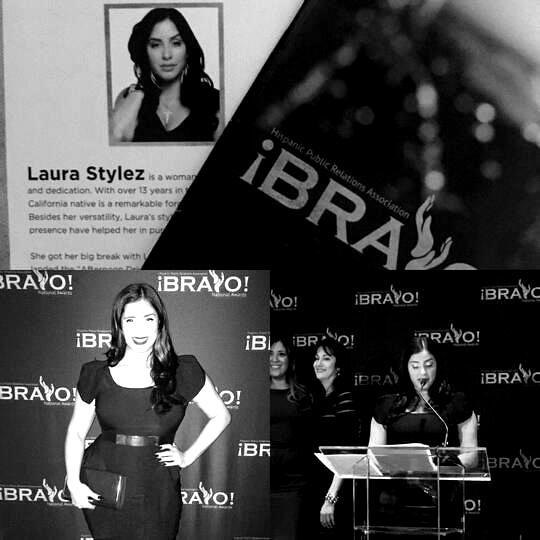 There’s a certain electricity to being young and standing on the edge of a world you’ve only ever admired from afar. The feeling of walking into a room and recognizing voices you’ve heard through speakers for years. Of realizing that the people who helped shape your imagination are suddenly standing a few feet away, just as human as you are.
Laura found her way into that world through New York’s La Kalle 105.9, where Latin music, reggaeton, and hip-hop collided in a city already overflowing with sound. She became part of DJ Enuff’s Heavy Hitters collective, moving between radio, live events, and the cultural spaces where music didn’t simply play in the background. It brought people together.
And then came HOT 97.
For a girl who had grown up mesmerized by hip-hop, the station was more than a workplace. It was a living piece of the culture’s history. The kind of place where records could become anthems, where conversations traveled through boroughs, and where an artist’s voice could reach somebody sitting alone in a bedroom, searching for a little proof that they weren’t alone after all.
Laura entered through the production and digital side, working alongside Angie Martinez, a woman whose presence in radio had helped her imagine a future for herself. There is something quietly extraordinary about that moment in a person’s life: when someone you’ve looked up to stops being a distant voice and becomes someone you can learn from. Angie became a mentor, and Laura absorbed everything she could.
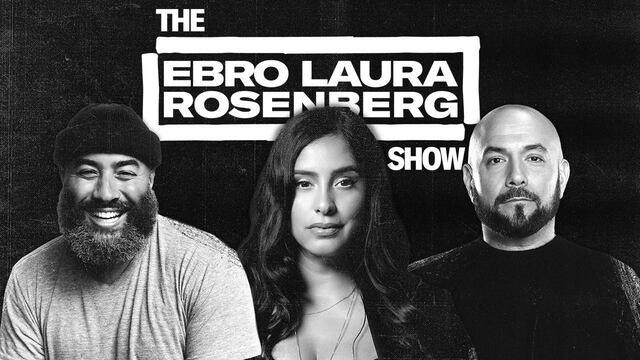
She kept working behind the scenes until opportunities behind the microphone began to open. What started as filling in eventually became a permanent place alongside Ebro Darden and Peter Rosenberg on Ebro in the Morning.
And suddenly, Laura was part of the sound of New York waking up.


Imagine that for a moment. The girl who once sat outside her mother’s home listening to Celia Cruz, now sending her own voice into kitchens, cars, subway commutes, and apartments across the city. Someone brushing their teeth before work. Someone stuck in traffic. Someone laughing alone at something she said. Thousands of separate mornings connected by the same familiar voices.
For more than a decade, Laura helped give those mornings their rhythm. She became part of conversations that moved between music, culture, humor, and the complicated, beautiful mess of being human. And through it all, she carried something the industry couldn’t teach her: the instinct to make people feel welcome, even when they were listening from miles away.
The girl who had once searched for belonging in music had found a way to give that feeling back.
MORE THAN A VOICE ON THE RADIO
There’s a particular kind of magic to the music industry when you’ve loved it long before you were ever invited inside. The backstage corridors. The roar of a crowd rising before an artist appears. The strange intimacy of sitting across from someone whose voice once lived only inside your headphones.
Laura has spent years moving through those worlds.
From HOT 97 and SiriusXM to live stages, television, and cultural events, her career has carried her into the rooms where hip-hop history is still being written. She’s been part of the world surrounding HOT 97’s legendary Summer Jam, where generations of artists and fans have gathered beneath the same sky, and where the music that began in neighborhoods and bedrooms becomes something enormous enough to shake a stadium.


She’s sat across from artists whose records have become chapters in other people’s lives. She’s witnessed the way a room changes when someone tells the truth about where they came from. The way a familiar song can make strangers turn toward one another, suddenly connected by a memory neither of them knew they shared.
But Laura’s relationship with music has never been confined to a single genre, stage, or frequency. Her career has moved between hip-hop, Latin music, fashion, television, and conversations about the lives unfolding around the culture.
She appeared on VH1’s This Is Hot 97 and co-created Improper Etiquette with Leah McSweeney, building a space for candid, sometimes uncomfortable, often hilarious conversations about womanhood, relationships, and the things people are usually encouraged to keep to themselves.
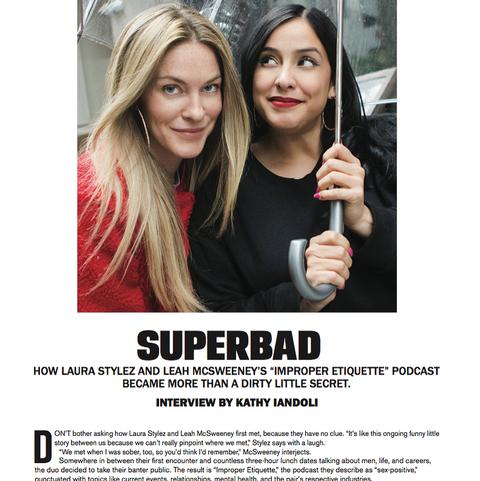
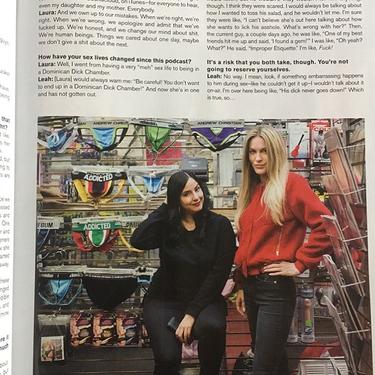
There’s something fitting about that evolution. Laura had spent years helping other people tell their stories. She was also learning to make room for her own.
And after more than a decade on Ebro in the Morning, another chapter began. With The Ebro, Laura, Rosenberg Show, the familiar voices carried their chemistry into an independent digital space, no longer defined by the same studio walls or broadcast frequency.
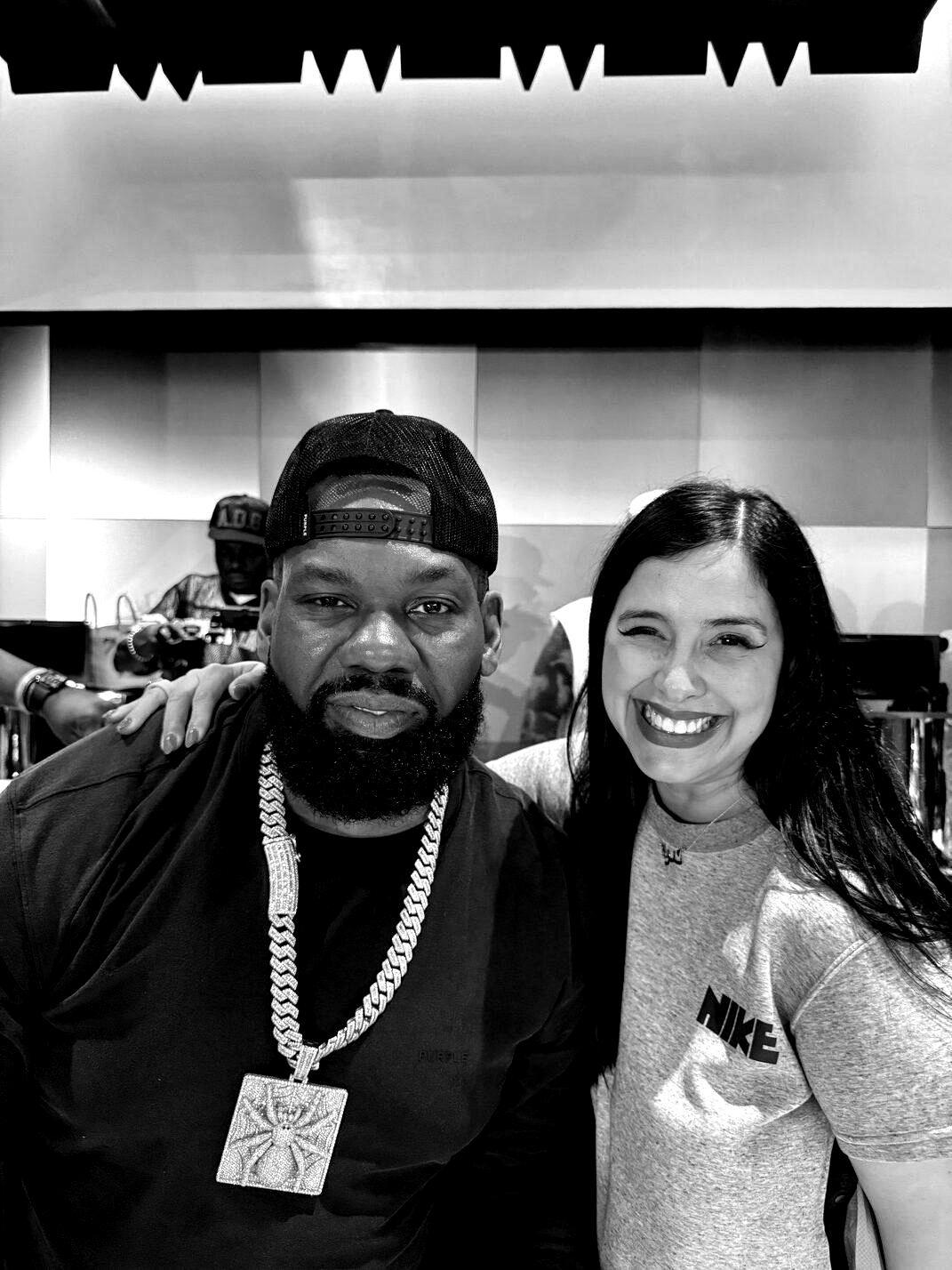
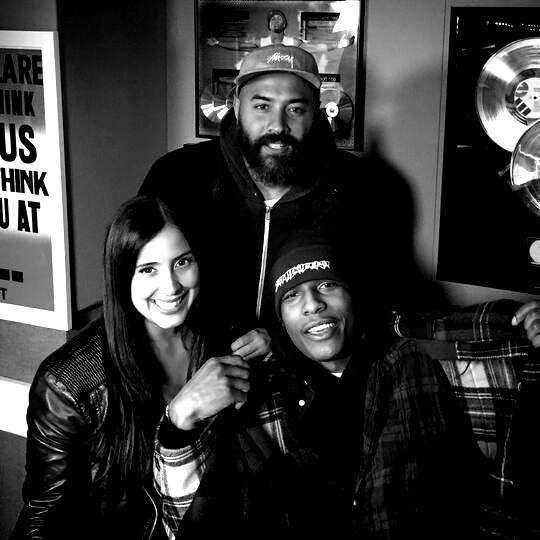
There’s something both frightening and beautiful about beginning again after you’ve spent years becoming known for something. About discovering whether the connection you’ve built can follow you into unfamiliar territory.
For Laura, that connection has always been bigger than the microphone.
Hear Laura
It’s in the conversations that make somebody laugh on a difficult morning. The interviews that reveal something unexpected about an artist. The moments when music stops being something we consume and becomes something we share.
And perhaps the most extraordinary part of her journey is that the girl who once watched DJs turn records into something alive never lost that sense of wonder.
She still loves the culture. Still listens. Still wants to know the person behind the voice. Still understands that a great conversation, like a great record, can stay with you long after the sound has faded.
The platforms may change. The rooms may change. The voices around her may come and go. But Laura keeps finding her way back to the thing that brought her here in the first place.
The feeling.

NEW YORK, WITH THE SOUND OFF
Sometimes Laura walks through New York with headphones in and nothing playing. It’s a small detail, but it feels like a window into her soul.
A woman who has spent so much of her life surrounded by sound choosing, for a little while, to hear nothing but the city. No music. No interview. No voice asking for her attention. Just footsteps, traffic, conversations drifting past, and the familiar pulse of a place that never seems to stop moving. The sun on her face. A little space to think.
“Sometimes I’ll add a soundtrack to my walk and sometimes I just want the soundtrack of the city.”
Hear Laura
She passes an old club and suddenly she’s younger. Back in a night that felt endless. A familiar street brings back a friendship. Another, a breakup. A corner holds a version of Laura who didn’t yet know what was coming.
New York has a way of keeping our ghosts close. You can spend years becoming somebody new, then turn onto a street you haven’t visited in ages and feel your old self walk right beside you.
The girl with the impossible dream. The woman with the broken heart. The friend laughing until the sun came up. They’re all still there, tucked into the places where life happened.
And Laura lets herself feel them. She doesn’t rush past. She walks, watches, listens. There’s something lovely about imagining her like that. The woman whose voice has filled so many people’s mornings, moving quietly through the city with no need to be heard. Just wanting to be there. To feel the sunlight. To notice somebody. To remember.
And in that stillness, she’s not so different from the little girl sitting outside her mother’s doorway. The city has changed. The music has changed. Laura has changed. But she still knows how to find wonder in an ordinary afternoon.
THE WOMAN WHO FEELS EVERYTHING

Laura doesn’t pretend her sensitivity is always easy. She loves hard, gets angry, feels hurt deeply, carries joy and pain with an intensity that doesn’t always leave much room for indifference.
“I’m an empath. Like, I feel, I feel hard.”
There’s a cost to living with your heart that close to the surface. Beautiful things can undo you. Cruel things can stay with you longer than you’d like. Other people’s pain can find its way into your own chest. And sometimes the world feels like far too much to hold.
But Laura hasn’t let that make her cold. If anything, the years seem to have made her more certain that feeling is worth the risk.
Her tenderness has a backbone. There’s fire in it. A protective instinct. A refusal to watch people she loves struggle without wanting to do something.

She can be nurturing and furious. Gentle and unafraid to speak up. The woman who makes you feel welcome can also be the woman who stands between you and something that might hurt you.
And that’s what makes her warmth feel real. It isn’t the kind that only exists when life is beautiful. It’s the kind that survives the difficult parts. The kind that still reaches for people, still makes room, still believes somebody deserves to be loved, even when loving them takes work.
A heart can be soft and have teeth. Laura’s does.
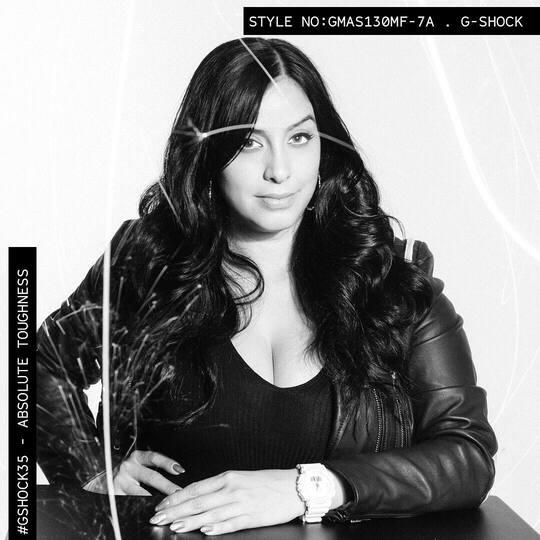
Hear Laura
WHAT THE HEART REMEMBERS
“Everyone wants to feel something.”
Laura says it while talking about the things people are drawn to. Music. Art. Culture. The places we go. The people we love. The experiences we chase because something in us wants to be moved.
And she’s right. We want to feel alive. To be understood. To have something reach a part of us that everyday life doesn’t always know how to touch.
During our conversation, Maya Angelou’s philosophy comes into focus: long after the details of an encounter have faded, the way it made us feel can remain.
Laura puts it in her own words.
“You may forget a name and you may forget a face or an address, but you always remember how people or things make you feel.”
Hear Laura
And suddenly, we’re back at that doorway. The trees. The setting sun. Celia Cruz playing. Her mother moving around the house.
Laura doesn’t remember every detail of that afternoon. She doesn’t need to. She remembers her mother’s joy. The way it filled the house. The way it reached her outside. And all these years later, that joy is still alive inside her.
It’s almost astonishing how much of who we become is shaped by things other people may not even remember giving us. A kind word. An invitation. A song. A person who believes in us before we’ve learned how to believe in ourselves. A mother finding happiness in the middle of an ordinary day.
We carry these things. Sometimes for decades. Sometimes into the lives of people who will never know where they began.
And perhaps that’s the most beautiful thing about Laura’s story. She knows what it means to receive that warmth. And she knows what it means to pass it on.
A LIFE WIDE ENOUGH TO FEEL IT ALL

Laura still wants more life. Not more things. More of the world. More places she hasn’t been. Food she hasn’t tasted. People whose stories she hasn’t heard.
She’s hungry for the unfamiliar, for the little discoveries that remind us how much there is beyond our own routines. There’s an unmistakable excitement in the way she talks about traveling and experiencing other cultures. As though the world is still capable of surprising her, and she has every intention of letting it.
“My only regret is not doing something.”
Hear Laura
She doesn’t want to reach the end of her life carrying a list of things she was too afraid to try. She believes in boundaries, too. In knowing when to protect your time and your peace. But she doesn’t want fear to make her world smaller.
And now, she gets to share that curiosity with her daughter.
 There’s a moment when Laura talks about waking up, looking at her little girl, and feeling a happiness she can barely describe. For someone who has spent a career finding words, this kind of joy seems to live somewhere beyond them.
Her daughter. Right there. Growing. A whole person whose world is only beginning to unfold.
Laura wants her to see it. To travel. To learn. To try. To become whoever she wants to become.
And perhaps, without even realizing it, she’s creating the same kind of memories her mother gave her. Not always through grand gestures. Sometimes simply through the feeling of being loved. Through the sight of a woman enjoying her life. Through the quiet knowledge that there’s someone nearby who will always want to see you shine.
THE DOOR STAYS OPEN
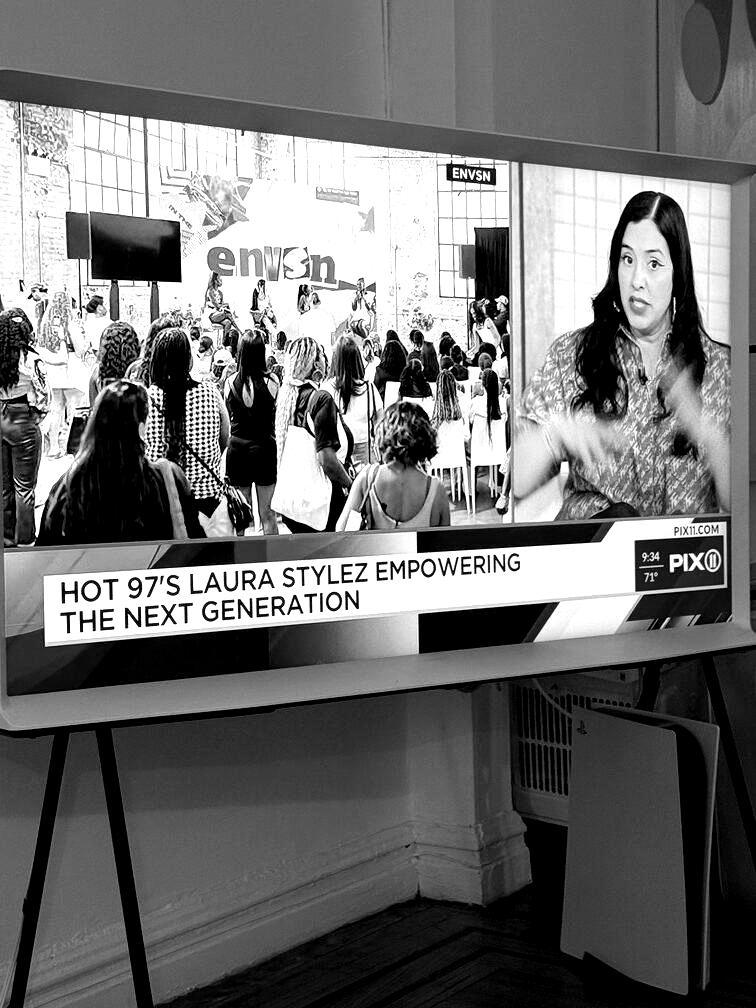
Laura’s instinct to nurture doesn’t end with her own daughter.
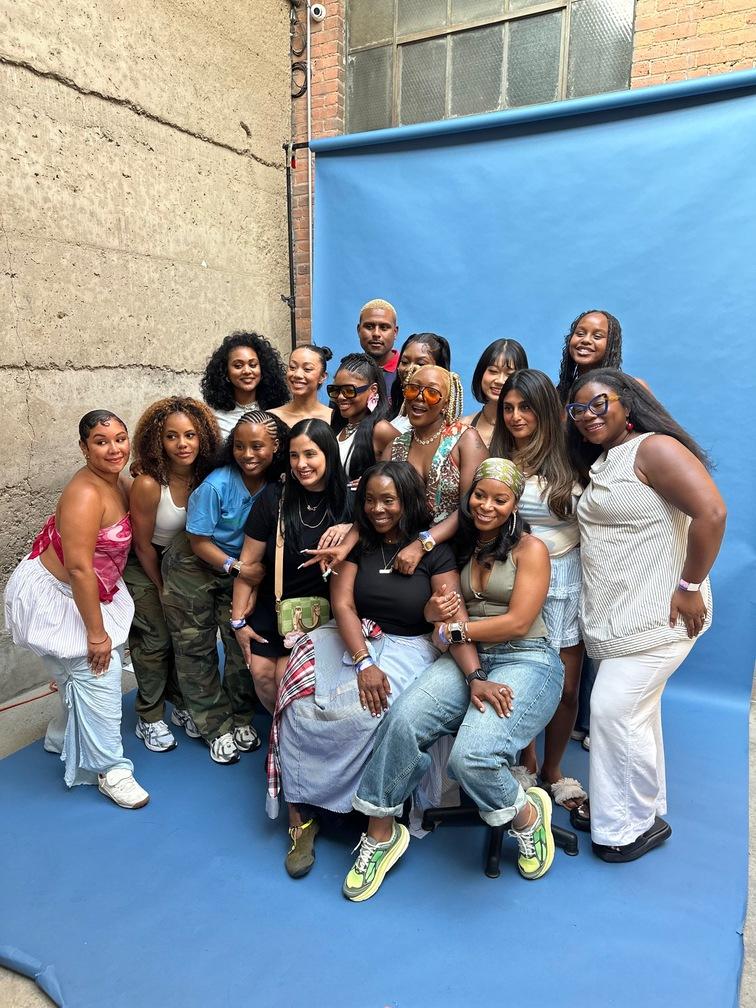
Through ENVSN, the festival she co-founded with Sharifa Murdock, and her work supporting its community initiatives, she’s helped create spaces where girls and young women can discover opportunities they might never have imagined were within reach.
Mentorship. Creative workshops. Connections to women working in industries they hope to enter. Prom dress drives. Support for unhoused young people and women living in shelters. Practical acts of care that can make an enormous difference in somebody’s life.
Laura knows what those opportunities mean because she benefited from similar programs when she was growing up. And she speaks about giving back with the conviction of someone who remembers exactly what it felt like to need a door opened.
“It’s about access, it’s not about ability because the talent is there and the dreams are there.”
Hear Laura
The talent is already there. The dreams are already there. What’s missing is the invitation. The introduction. The person willing to say, Come in. There’s room for you here.
And Laura knows the power of those words. Because somewhere along her own journey, people opened doors for her. People taught her, believed in her, helped her find her way into rooms she’d once only dreamed of entering.
Now she gets to do the same.
There’s something profoundly beautiful about that return. A girl receives an opportunity. She grows, finds her voice, builds a life. And one day, she reaches back for another girl standing where she once stood.
The circle doesn’t close. It widens.
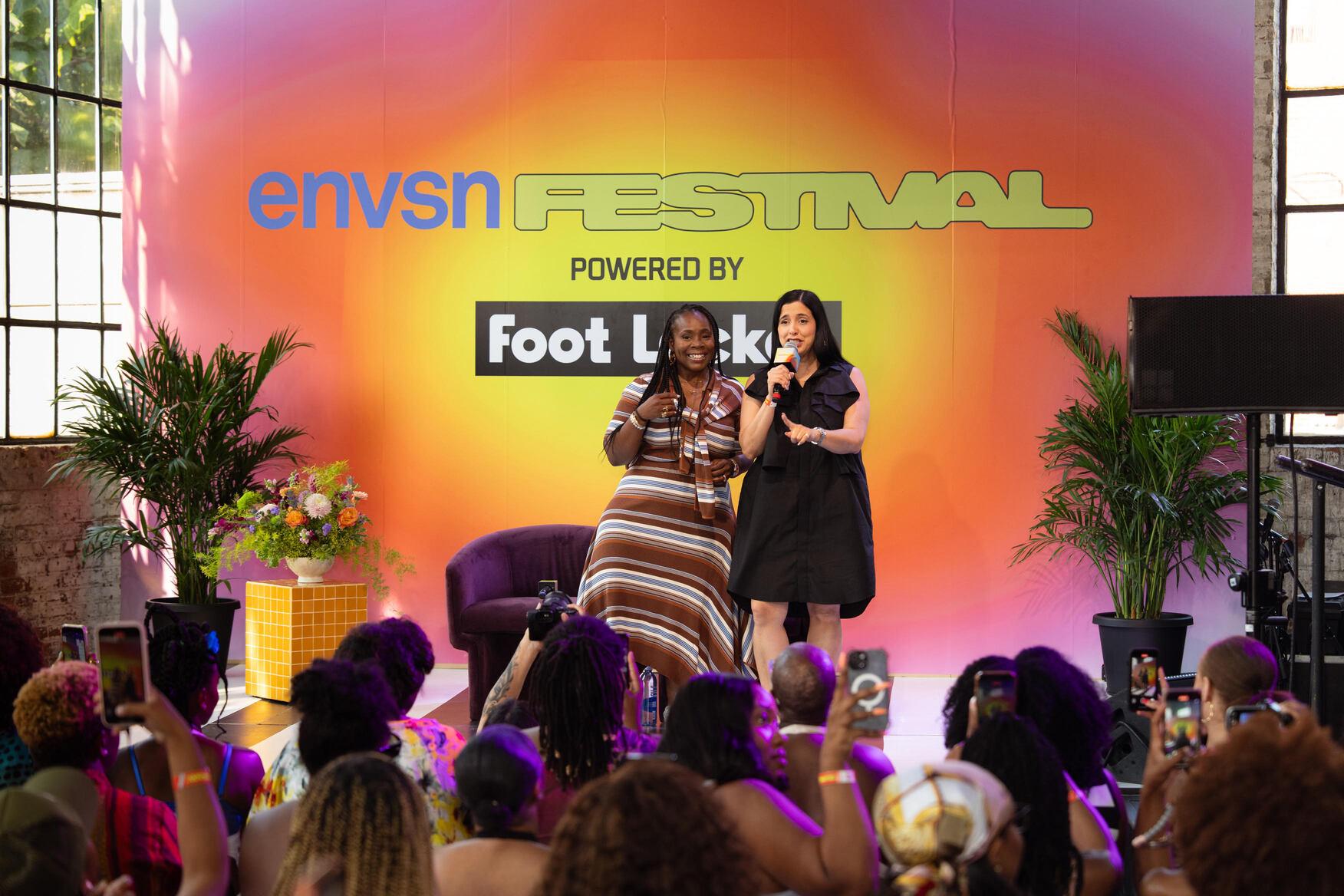
Laura isn’t interested in telling young women to dream bigger without helping them find the resources to make those dreams possible.
Her compassion has hands. It organizes. It connects. It makes the introduction. It finds the dress. It brings the supplies. It shows up.
And somewhere, a young girl walks into a room she might never have entered otherwise. She feels seen. Capable. Welcome. She leaves standing a little taller.
And maybe she never forgets that feeling. Maybe years later, she passes it on to somebody else.
That’s how light travels. Not because one person keeps it all for herself. Because she gives other people a reason to glow.
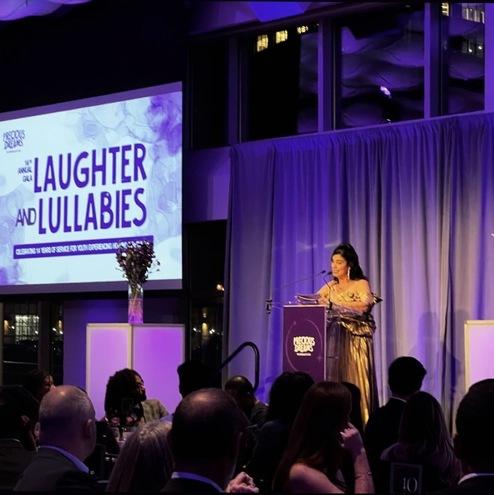
THE THINGS WE PASS ON
Somewhere in Laura’s memory, the door is still open. Her mother is cooking. Celia Cruz is playing. The sun is slipping behind the trees. And a little girl sits outside, listening to the music mingle with the sounds of the city.
She doesn’t know that she’ll carry this afternoon for the rest of her life. That she’ll grow up and find a home in hip-hop. That she’ll move across the country with a dream and build a career around the music she loves.
That her voice will become part of New York’s mornings. That she’ll sit across from artists she once admired, create space for their stories, and become a familiar presence in the lives of people she’ll never meet.
That one day she’ll have a daughter of her own. That she’ll help other girls find their way into rooms they deserve to enter.
She doesn’t know any of that yet.
She just knows her mother is inside. That the music is playing. That the sun feels good. And that something about this moment makes her happy.
Maybe that’s enough.
Because when Laura talks about what matters most, she keeps returning to the same thing. How we make each other feel. What we leave inside the people we love. What they carry with them after we’ve gone.
Her mother gave her a memory that still feels warm to the touch. And Laura has spent her life finding ways to give that warmth to other people. Through music. Through conversation. Through motherhood. Through the doors she opens and the people she welcomes inside.
There’s something radiant about a woman who has felt the full weight of life and still chooses to meet it with an open heart. Not because she’s never known darkness. But because she knows what light can do.
The sun has gone down on that childhood afternoon a thousand times over. The little girl has grown. The city has changed. The music has traveled farther than she could have imagined.
But somewhere inside her, Celia Cruz is still singing. Her mother is still smiling. And the door is still open.
Some women wait for the world to give them warmth. Laura learned how to carry her own. And somewhere along the way, she became the kind of woman who makes other people feel the sun.
 _
_