
A living portrait told through voice, memory, and the things we choose to keep.
STRIPPED | TALK DIRTY TO ME | created by Sarah Rose
THE SOUND THAT MOVED CULTURE. THE SOUL THAT KEPT MOVING.
Some voices become bigger than the people who made them. N.W.A. Eazy-E. Dr. Dre. Snoop Dogg. The Chronic. Death Row. Names that became sound, posture, atmosphere, mythology. You can hear some of them before you understand anything they are saying. A voice bends. A bassline hangs low. A syllable stretches. Something reaches the body first. Then the biography catches up.
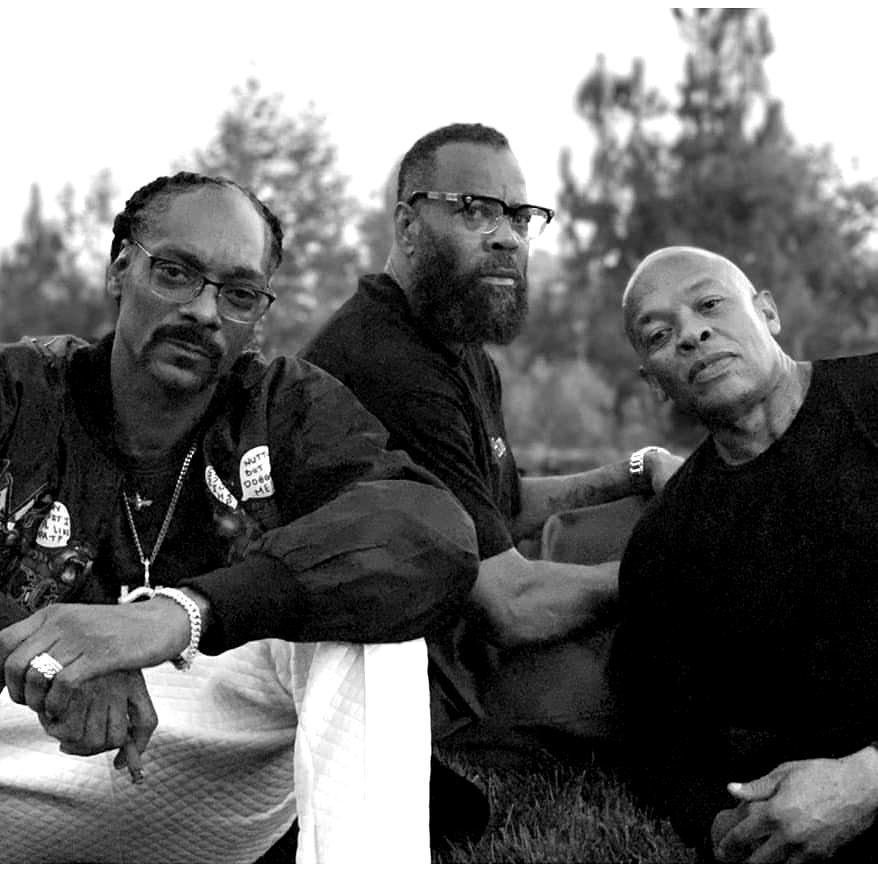
Maybe that is part of how culture travels. Not because context stops mattering, but because feeling gets there first. N.W.A. came from a specific place, time and Black American reality that cannot be separated from what made the work powerful. Compton sounded like Compton. And the world listened.
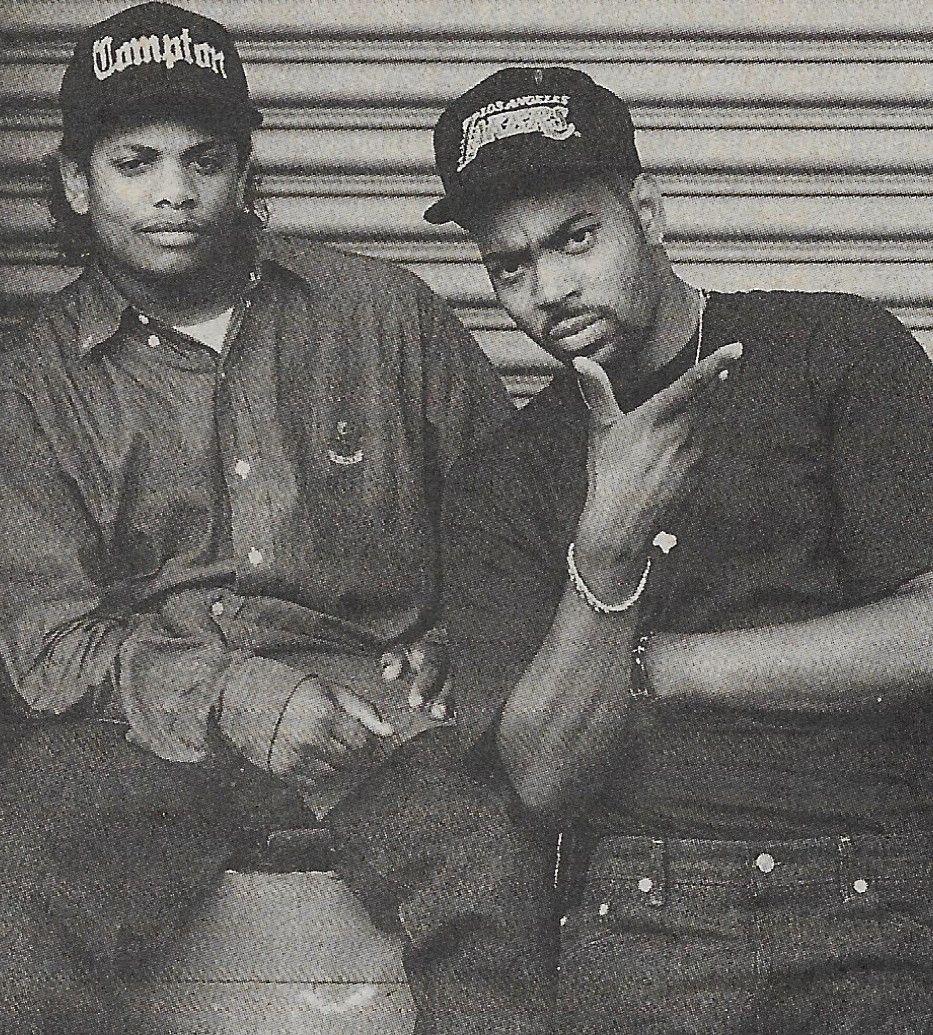
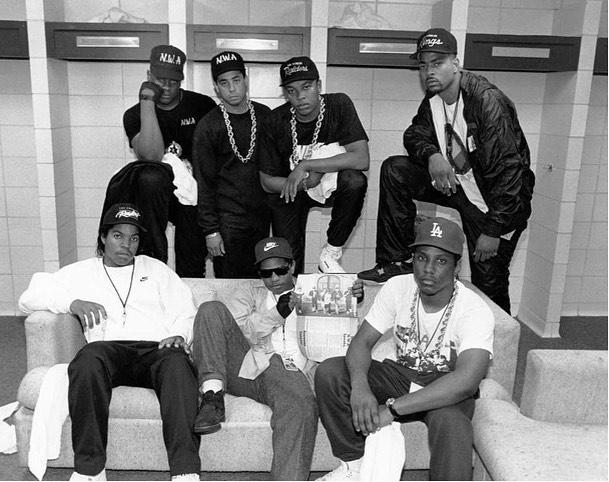
Truth does that sometimes. It begins somewhere incredibly specific and has the power to find people who have never been there.
Doc Curry wasn’t standing outside that cultural earthquake watching it happen. His voice, pen and ideas were inside it.

THE FUCKING BEST THING SINCE OATMEAL
Before he was The D.O.C., he was a young rapper from Dallas who remembers discovering in hip-hop the first arena where he possessed a natural competitive advantage. He was, in his own estimation, “really fucking good at it.” Dr. Dre heard enough to bring him into the Los Angeles orbit around Eazy-E and N.W.A.; Doc has recalled arriving in L.A. in 1988 and writing “We Want Eazy” within minutes of meeting Eazy and the group.
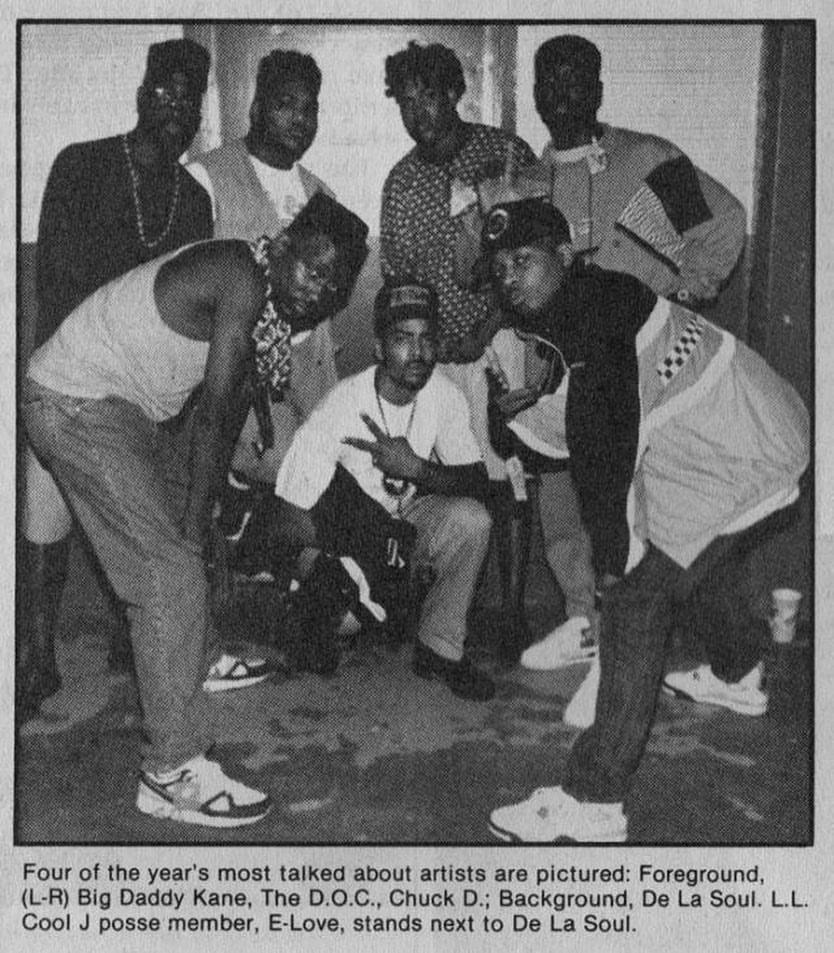 Soon he was contributing within the Ruthless Records world that was helping redraw the boundaries of West Coast rap. Dallas hadn’t exactly prepared him for the reception.
“In Dallas nobody believed I was shit. But in California, everybody thought I was the fucking best thing since oatmeal.”
Hear Doc
There is a beautiful moment before culture hardens into mythology. Before documentaries and anniversary editions. Before everybody knows which names mattered. People are just making things…Staying up too late. Competing. Drinking. Arguing. Trying to make the room move.
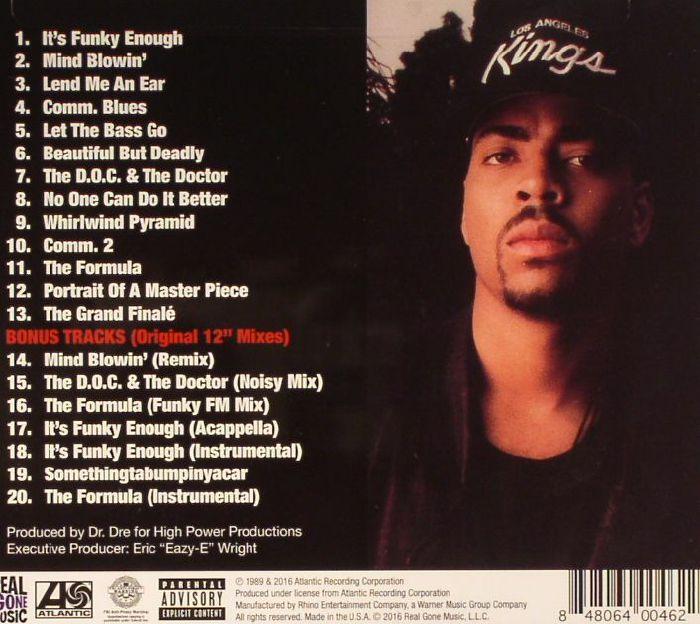
Doc was inside that moment. Dre would produce his debut album, No One Can Do It Better. Eazy-E served as executive producer. N.W.A members appeared on the record. The album reached No. 1 on Billboard’s R&B/Hip-Hop Albums chart and eventually went platinum.
And Doc thought he was next.
Not quietly.
He remembers being drunk, reckless, “feeling myself to the hump degree,” convinced he was untouchable. In his mind, he was the best at what he did. The future was already beginning to feel like something he owned.
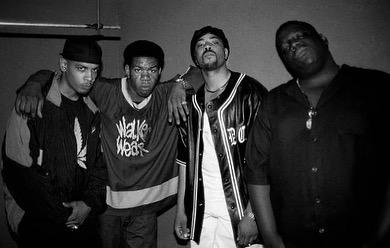
“I was about to have this fantastic life and be the number one guy in the world and yada yada yada.”
Then, later that year, the accident happened.
Everything changed.
 A VOICE
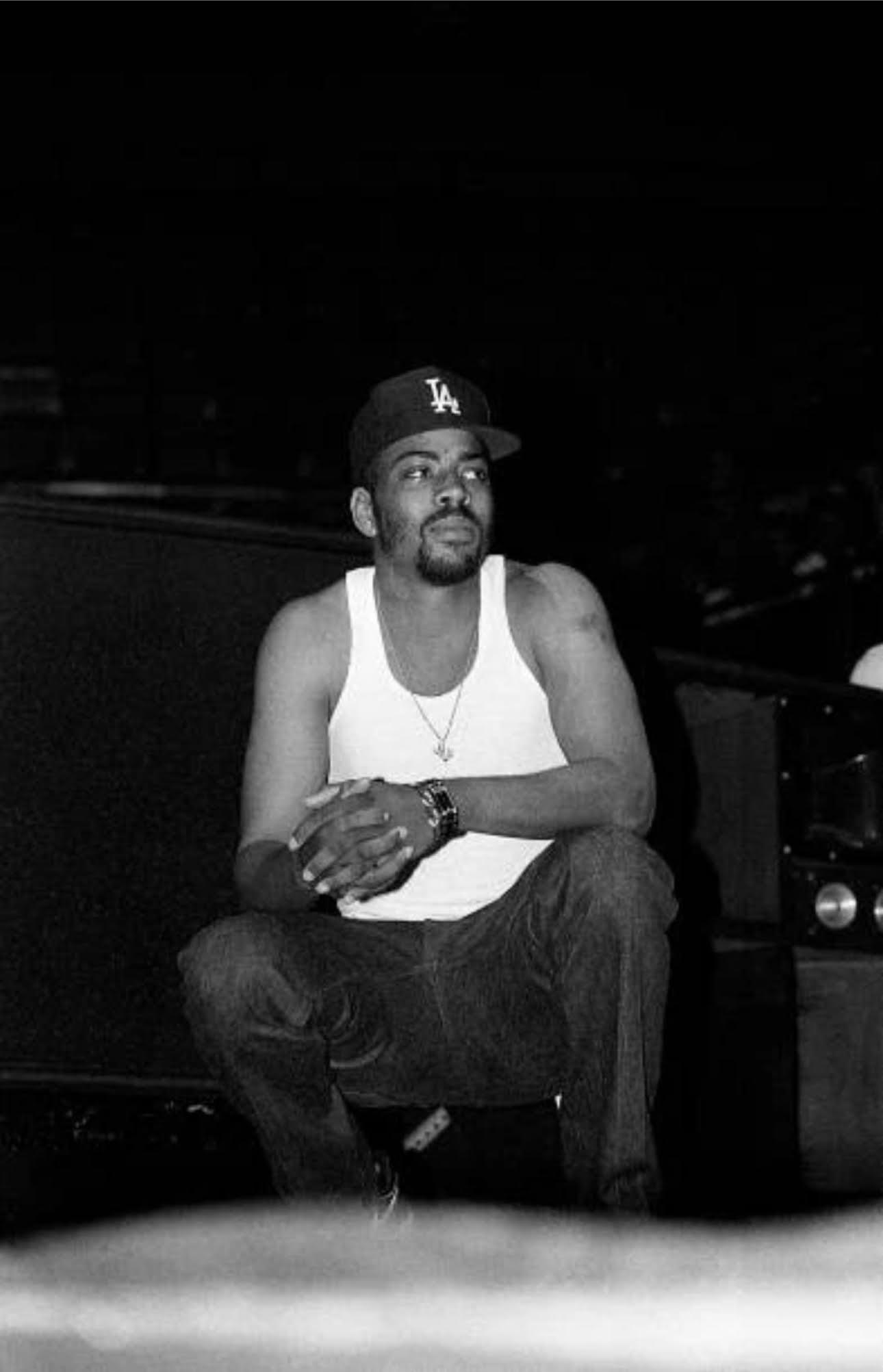
A voice is an intimate thing to lose because we mistake it for proof of who somebody is. We recognize people by sound. A parent calling from another room. A lover half-asleep. A friend laughing before they enter the frame. Long before voiceprints became data, human beings knew how to find each other in the dark.
Music makes that recognition enormous.
Eazy-E could enter a record and immediately alter its temperature. Snoop could stretch language until the syllables themselves seemed to lean backward. Dre understood that a voice doesn’t even have to come through the throat. Production speaks. Drums create tension. Bass creates gravity. Silence can say something too.
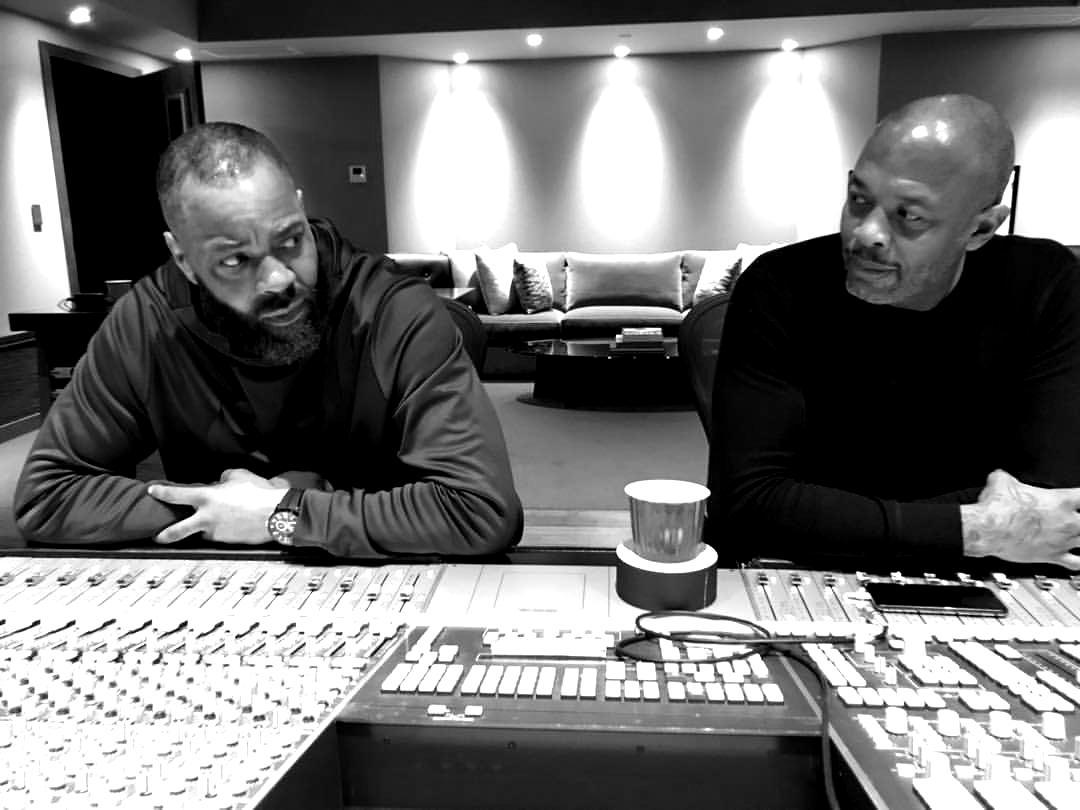
Sound carries information language cannot carry alone.
In November 1989, Doc crashed his car on a California freeway after drinking and falling asleep behind the wheel. He was thrown from the vehicle, sustaining injuries that severely damaged the instrument on which his rising career depended: his voice.
For an artist whose imagined future depended partly upon that instrument, the cruelty of it is almost too precise. Take the painter’s hand. The runner’s legs. The rapper’s voice.
Except human beings are stranger than their instruments.
Because the instrument can change while the impulse underneath it survives.
“With a voice, without a voice… with support, without support, I never stopped.”
Doc lost a voice. He didn’t lose his voice.
THIRTY YEARS
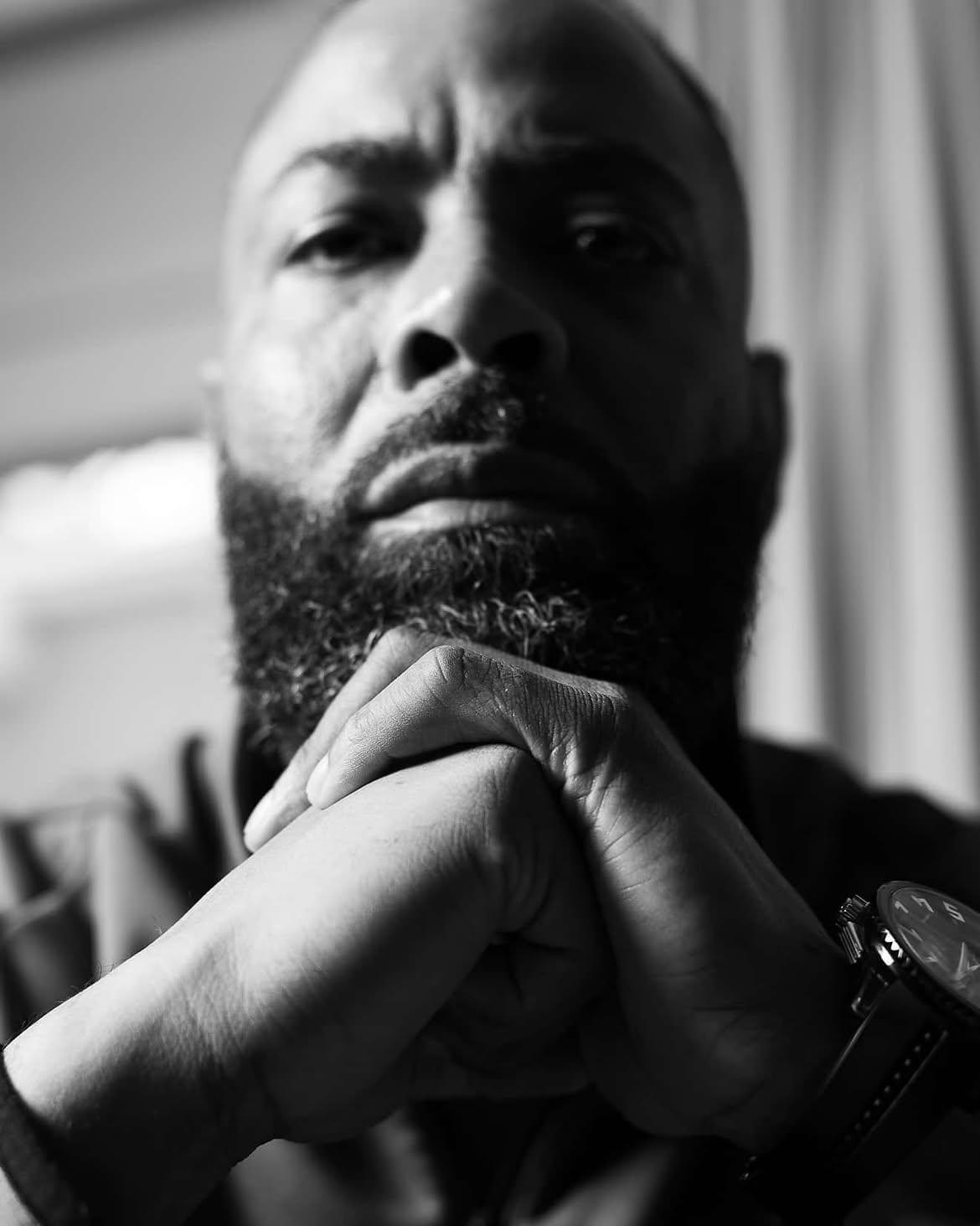
Outside Doc, the culture kept moving. The names around that early world became enormous. Records became landmarks. Sounds became reference points. An era that once felt immediate became history.
But Doc didn’t simply disappear from it.
Without the instrument he expected to carry him, his pen continued moving. Years later, his writing and vocals would become part of Dr. Dre’s The Chronic, placing Doc inside another record that would profoundly expand the sonic vocabulary of West Coast hip-hop. Snoop Dogg’s voice would become one of that record’s defining presences; Doc’s work existed inside the same creative ecosystem.
That makes the story stranger. The physical voice changed.
The voice behind the work kept finding ways through.
Still, Doc lived another story privately.
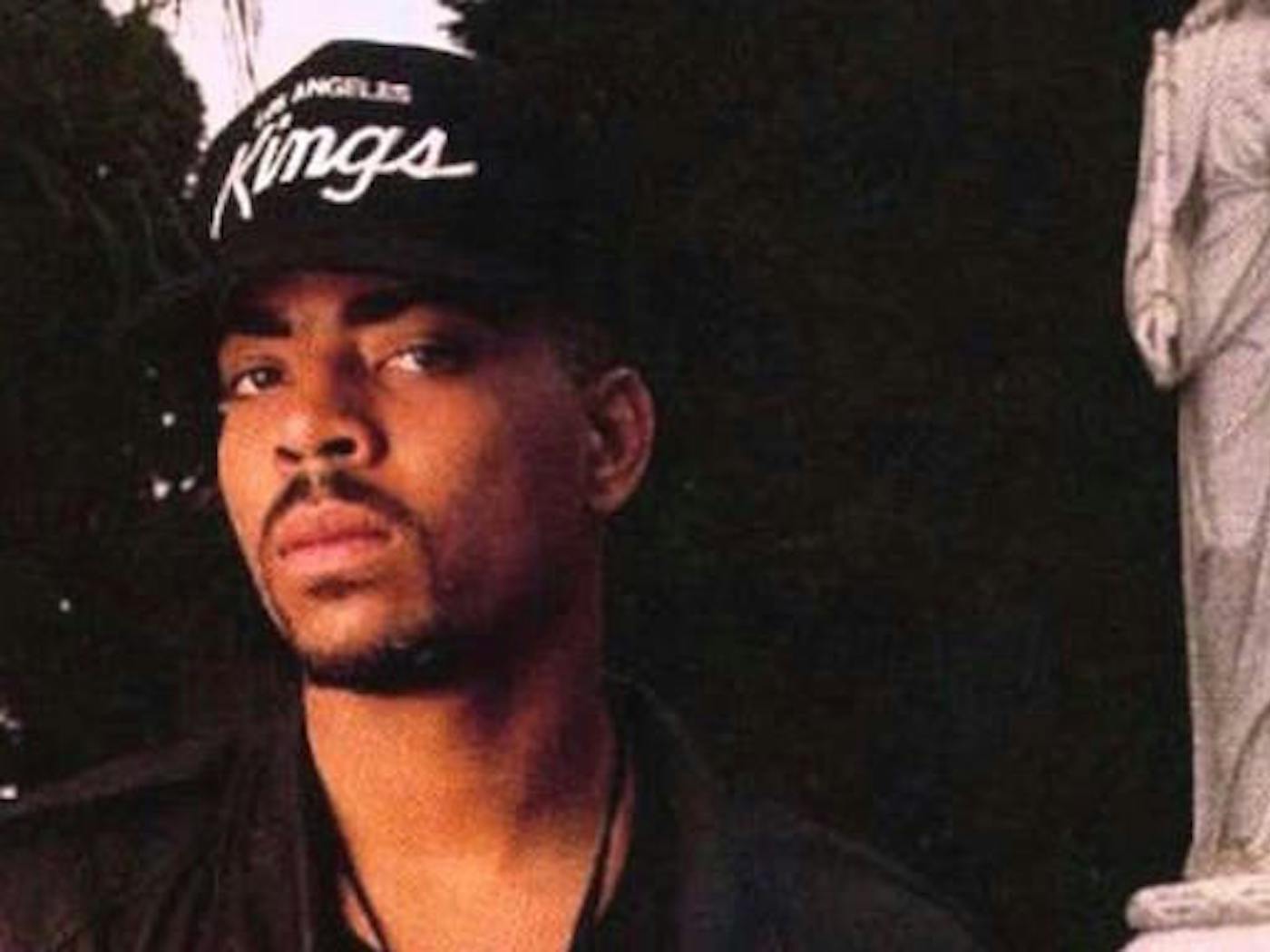
“Thirty years really of deep, dark depression and suffering pain.”
Thirty years.
A suspiciously clean way to write an amount of time that messy.
Birthdays. Summers. New records. New artists. Old friends. Children growing. A culture changing around you. Enough time to repeatedly meet the person you thought you would become and eventually stop expecting him to arrive.
Doc doesn’t romanticize it. He says he suffered. Then he says something else.
“But I made it through it. I’m on the other end of that now.”
Sometimes survival is the least glamorous sentence in the story. Sometimes it is the entire story.
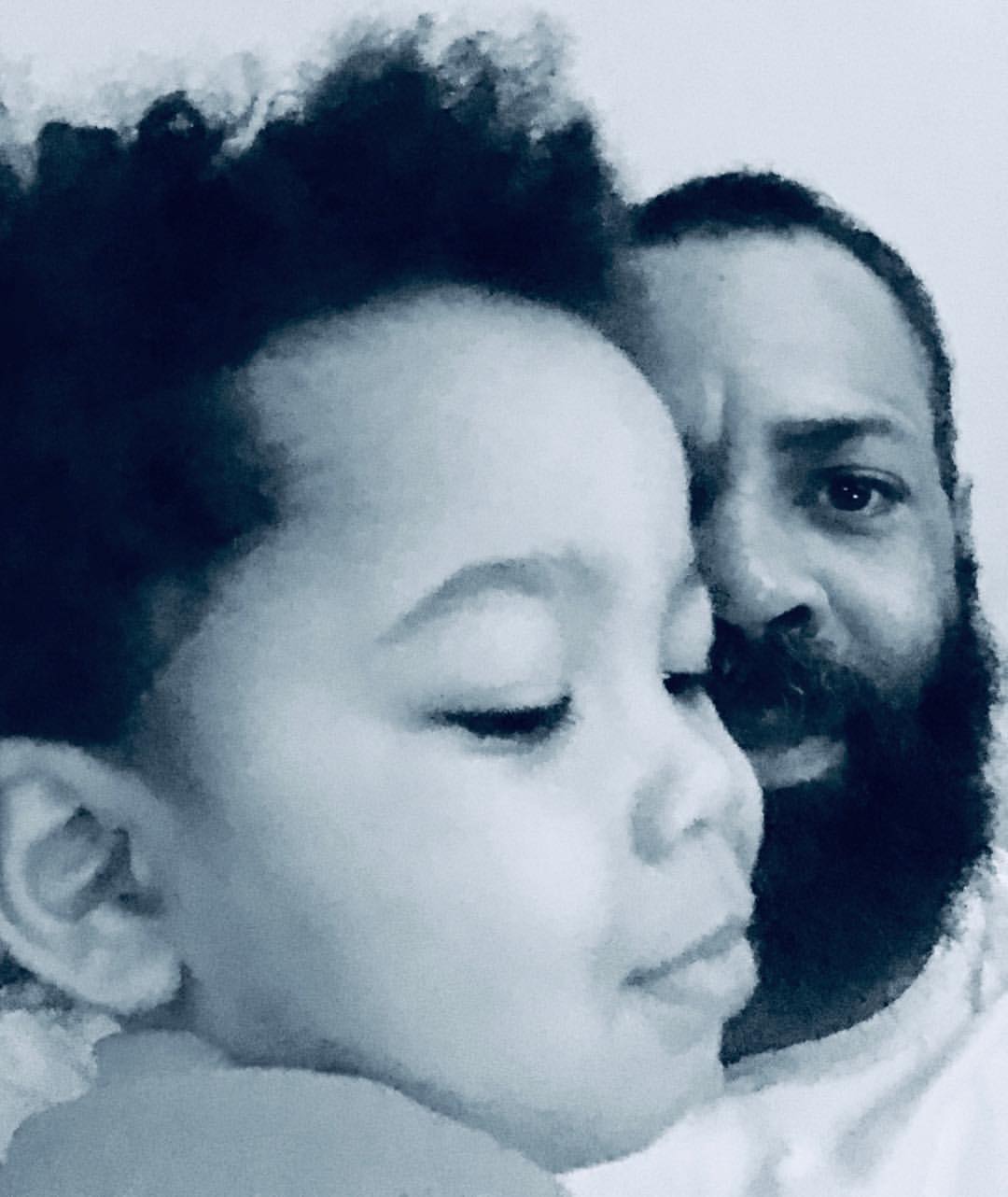
COMMUNICATION LARGER THAN LANGUAGE
Before language, there is sound. A baby cries. Someone laughs in another room. A stranger’s voice shakes. A mother hums. We understand something before we understand everything.
The body is constantly reading other bodies. Posture. Rhythm. Tone. Distance. Silence. You can recognize grief in a language you do not speak. You can feel tenderness without a sentence. You can hear music made from an experience entirely unlike your own and still have something inside it find you.
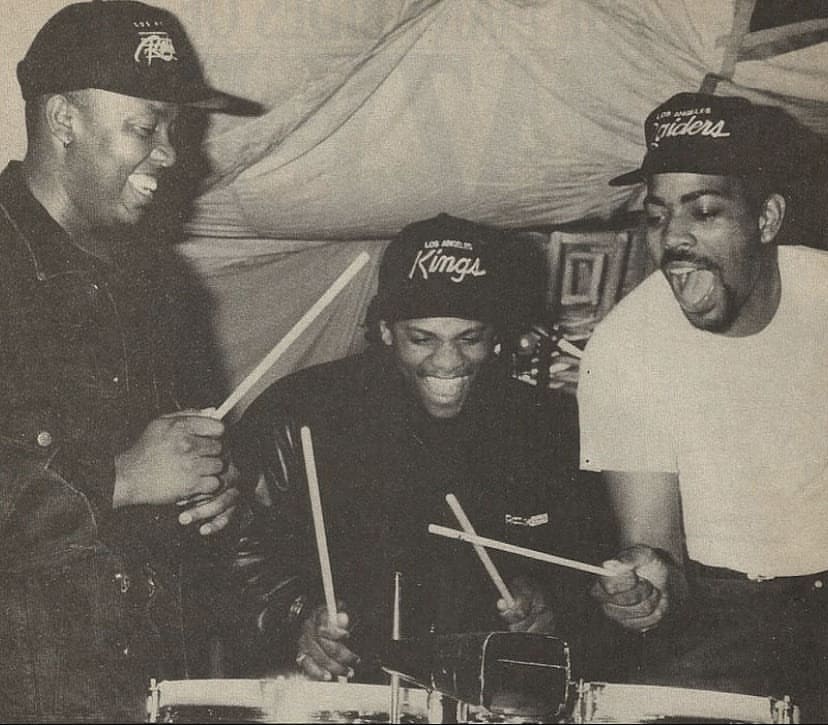
That doesn’t make language unnecessary.
It makes communication larger than language.
There is an important difference between feeling somebody’s truth and claiming to fully understand their experience. The specificity of N.W.A.’s world matters. The words matter. The history matters. But before some listeners understood all of that, they felt force. Anger. Humor. Urgency. Defiance. Swagger.
The bass reached the body before the biography reached the brain.
Maybe that is one of art’s strangest abilities: something can remain completely rooted in somebody else’s life and still reveal something recognizable about being alive.
You don’t have to share someone’s experience to be moved by its truth. And maybe that is the difference between sound and voice.
Sound reaches the ear. Voice carries something with it.
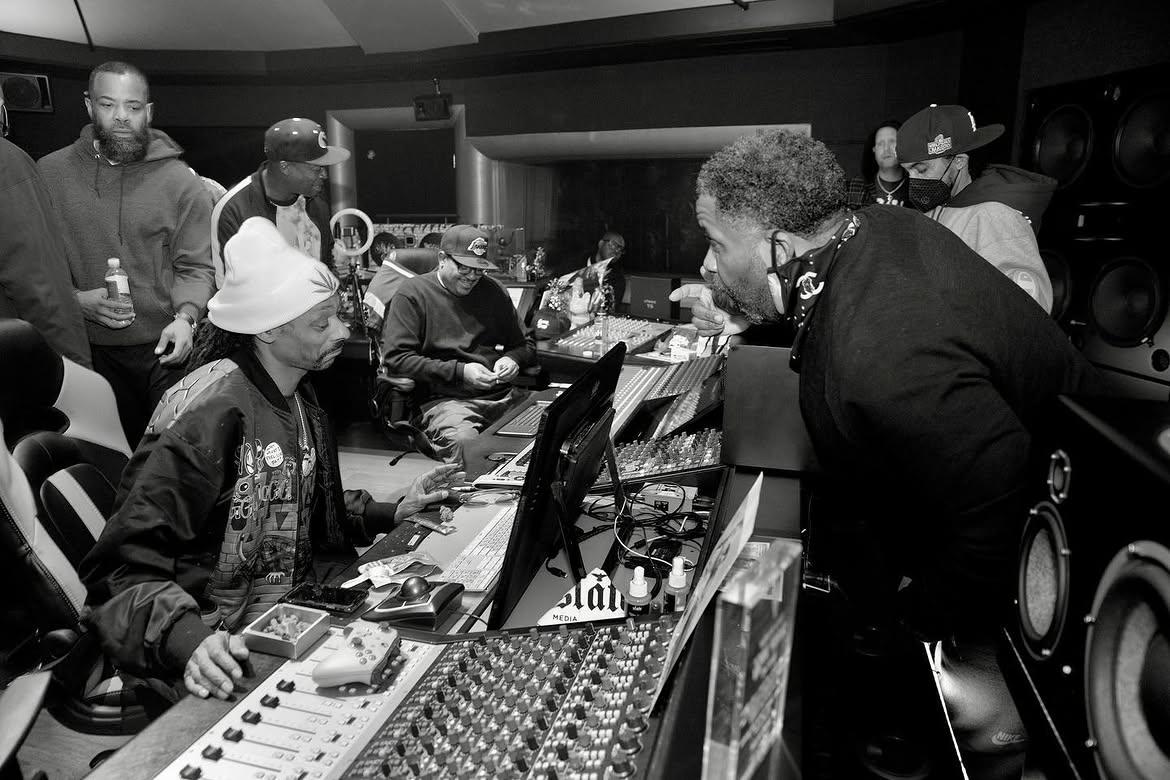
THE MACHINE CAN LEARN THE SOUND
Decades after losing the voice he knew, Doc finds himself living inside a technological moment strange enough to offer part of it back.
“I’m coming to terms with this voice. However, AI is giving me access to the old voice.”
Hear Doc
The sentence contains two Docs: the voice life made and the voice technology might recreate.
AI can learn pitch. Timbre. Cadence. Frequency. The sonic fingerprints of a younger man. It can potentially make the present sound uncannily like the past.
But there is a problem.
The old voice never lived the next thirty years.
It didn’t survive the depression. It didn’t raise these children. It didn’t watch contemporaries disappear. It didn’t learn what recognition can and cannot give you. It didn’t arrive at this relationship with God. It didn’t become this angry about a world where some people accumulate billions while others have nothing.
It never learned what Doc means when he says he is rich in spirit.
This voice did.
So if a machine can recover the sound of who you were, which version is more authentically you? The voice technology resurrects? Or the voice life creates?
Doc doesn’t offer an answer. He just says the next couple years could be interesting musically. Maybe that is better.
Because the more interesting question isn’t whether we can make Doc Curry sound young again.
It’s what the older man finally has to say.
TRUTH
Forty years changes what a person is willing to bullshit themselves about.
Doc has little interest in pretending the young version of himself was wiser than he was. He was talented. He was hungry. He was fearless. He was also drunk, reckless and convinced he was untouchable.
Truth gets boring when people edit themselves into saints.
The older Doc seems less interested in mythology altogether. After roughly forty years in music, he says he has been recognized with the Paid in Full Foundation’s Grandmaster honor — what he describes as the first real accolade of his career.
You might expect vindication.
“I really don’t give a damn about accolades.”
Maybe they waited so long he stopped caring. He jokes about that possibility too. But almost immediately, his attention moves somewhere larger.
The world is going to shit, he says. People have too little. Other people cannot stop accumulating more. Artists aren’t making enough records about what is happening around them. He remembers believing that was part of the job: reflect the moment. Say something.
He brings up Marvin Gaye. What’s Going On. Then he wonders where that kind of record is now.
A beat.
“Maybe it’s me. Maybe it’s me.”
There it is. Complaint becomes responsibility. Truth becomes purpose.
Maybe having a voice is not merely possessing the ability to speak. Maybe it is deciding what deserves to be said.
PURPOSE
Doc begins another recording with just that. Then he works outward.
The reason you were put on the planet. Something you might spend a lifetime trying to understand. If you are lucky, maybe you understand it early enough to thrive inside it.
Doc says it took him forty years.
Children helped.
Through them, he began to understand life as a circle: receiving something, finding what you are here to do with it, then helping another person discover what they are here to do with theirs.
Time changed the scoreboard.
Doc knew contemporaries who reached “higher spaces and places” than he did and never got the chance to finish that circle. He refuses to speak for them, but wonders what any of them would choose now if the choice were possible: the height they reached, or the years required to watch their children grow and begin discovering their own purpose.
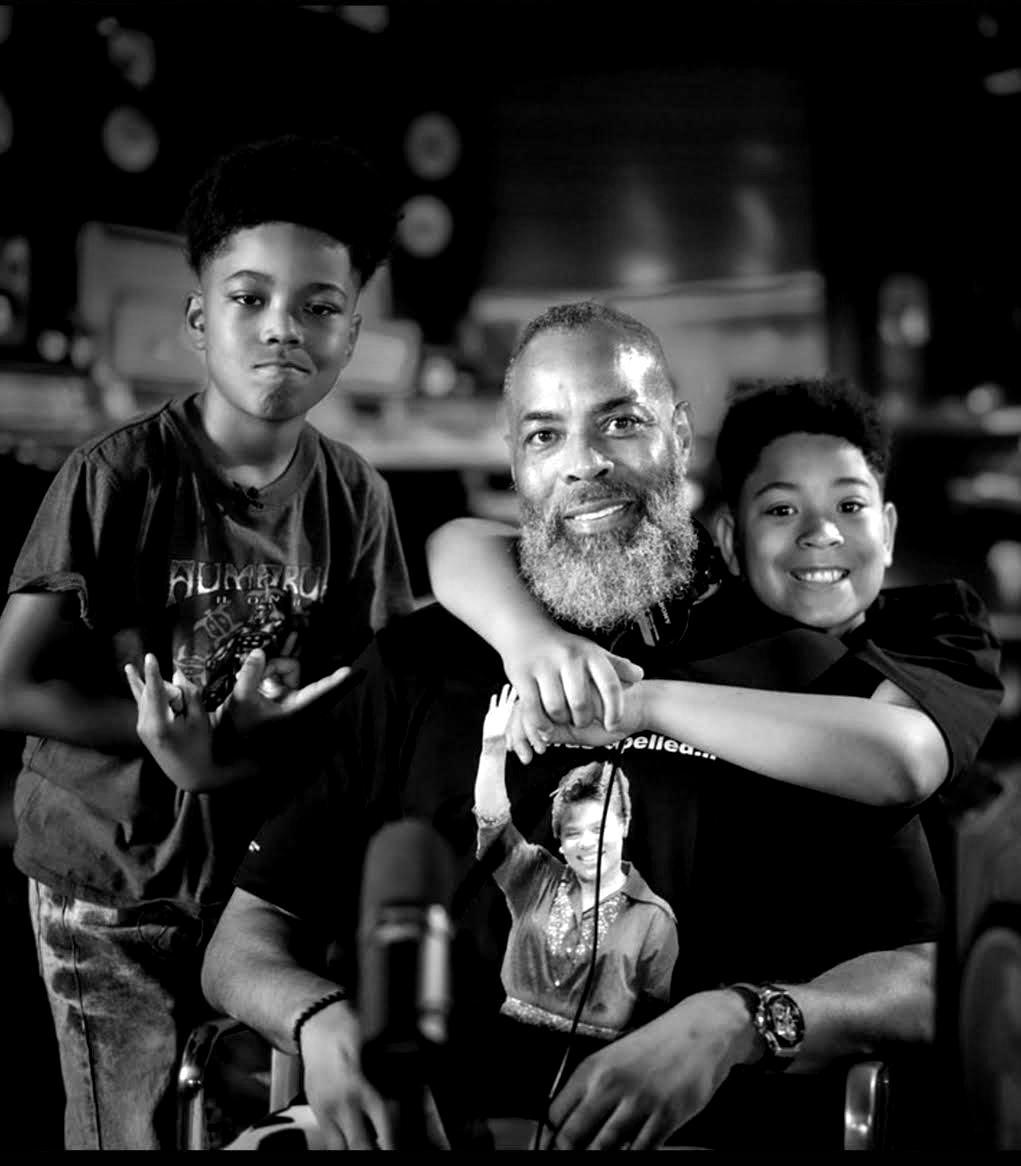
Some reached heights Doc didn’t. Doc got something some of them didn’t: time.
And after spending decades believing the interruption was the tragedy, time begins to look suspiciously like part of the gift.
“Took me 40 years to understand that circle, but I made it.”
That sentence changes what “made it” means. Young Doc wanted to become the number-one guy in the world. Older Doc wants what he learned to be useful.

And this part isn’t merely philosophy anymore. Back in Dallas, Doc has turned that impulse into the Dreams Experience Academy, an initiative designed to connect students in grades 7–12 with mentorship, creative skills and pathways into media, entertainment and technology. The idea grew from his desire to create for younger people some of the access and guidance he did not have while trying to find his own way. Maybe purpose is what happens when truth stops being only about you.
It gives another meaning to something he says in the voice notes:
“I feel like creating is my purpose.”
Hear Doc
SECOND WIND
Doc is in the gym when he starts another recording. He is “putting it in,” trying to get ready for his close-up, getting his physical frame prepared because something feels different again.
Then, midway through all this existential talk about resilience and possibility, he admits he may also just be procrastinating between sets because he is tired “in this motherfucker.”
There he is. Doc calls these recordings “vomiting up my feelings.”
He can feel something approaching. A re-emergence. The universe, he says, seems to be setting him up for a second wind. And the unsettling part is that he recognizes the feeling.
“I’ve been here before… that space right before the shit takes off and you explode.”
Hear Doc
Same electricity. Different nervous system.
The first time Doc reached this threshold, he thought being untouchable was power. Thirty years taught him exactly how touchable a human being is.
Bodies change. Voices change. Careers disappear. People die. Children grow. Money comes and goes. Recognition can arrive decades later and discover you no longer need it. And still, something in Doc wants back in.
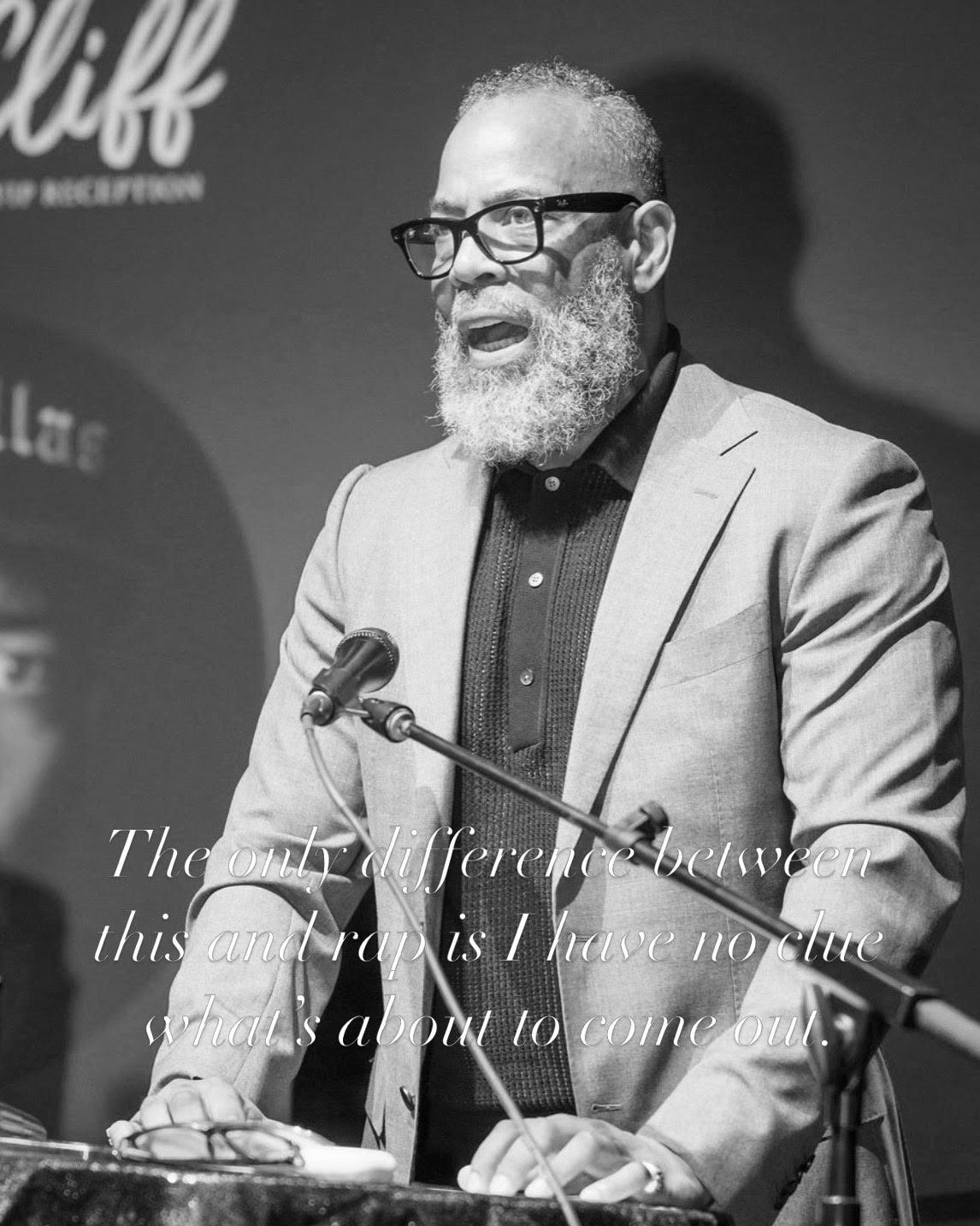
“I’m about to do this shit again, but with a different mindset.”
Not because he wants to become the young man again. That man already had his turn.
This is for the person who survived him.
Doc says personal happiness has become more important in these later years. For a long time, he wrote for other people, poured energy into other people’s things, helped other people build.
Now the universe seems to be giving him an opportunity to do something for himself. Even then, he returns to his children. He wants them to see their dad in a winning state of mind. He wants somebody who has suffered defeat for a long time to see a man move “from tragedy to triumph” and understand that the story can still move.
“You didn’t fail till you stop.”
On a poster, maybe it’s motivation. After thirty years, it’s evidence.
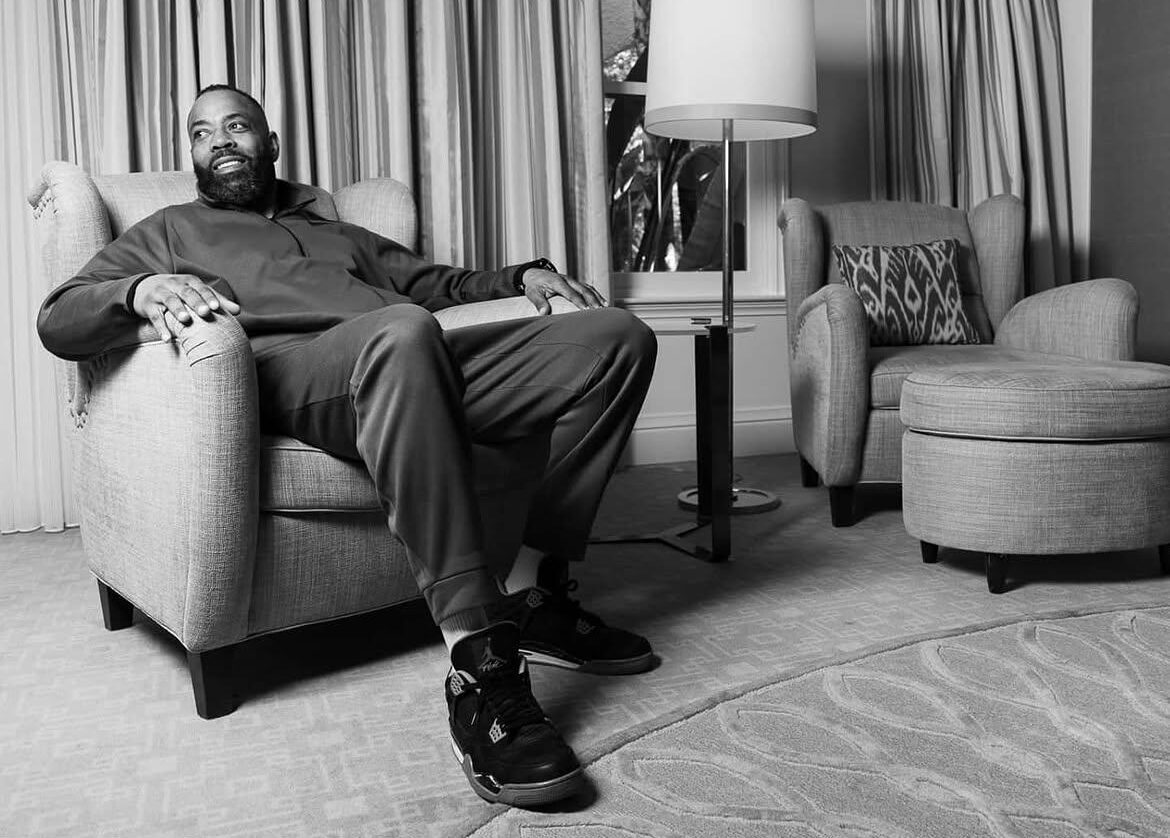
9:30 IN THE MORNING
The most revealing portrait of Doc Curry may have nothing to do with a recording studio.
It is 9:30 in the morning and he is outside in his backyard, grounding, working out, getting a little color because he doesn’t want to be too pale. He feels blessed and highly favored. He can feel the re-emergence coming. He is preparing for “that moment.”
He has also just watered the 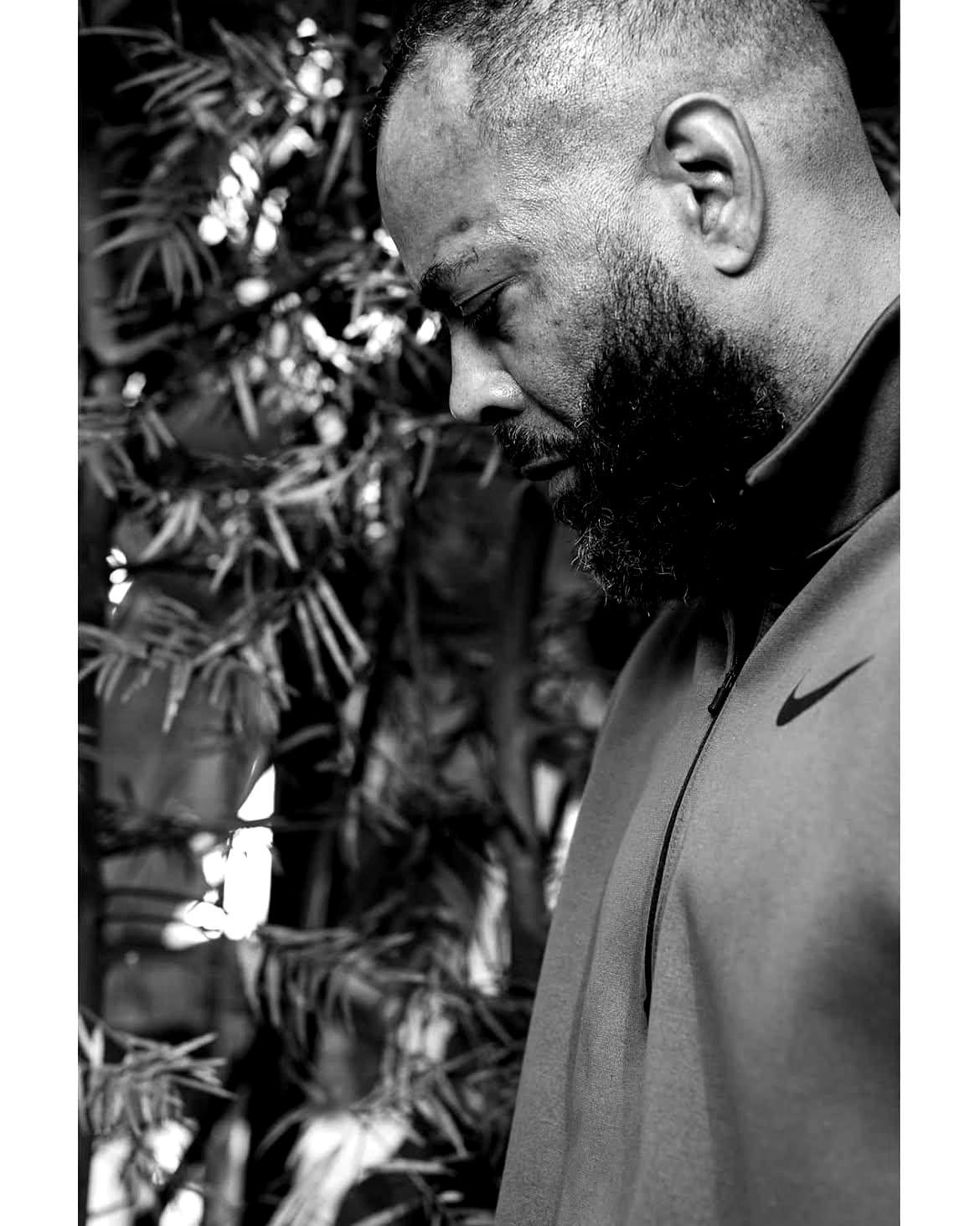 grass, and some of it is growing thicker than the rest. This bothers him. He needs weed and feed.
“I’m a better landscaper than that.”
After N.W.A., Eazy-E, Dre, The Chronic, the ambition, the accident, the changed voice, thirty years of depression, children, God, recognition, AI and the possibility of another musical life, Doc Curry is standing in his yard worrying about grass.
Good. Mythology turns people into symbols. Life keeps turning them back into people.
That night, Doc says he is taking his boys to the Universal Soul Circus, where he is going to be honored. The honor is his description of the event; the thing he seems to linger on is taking his boys.
Life is good. Not perfect. Not the life the young man forecast. Good.
And then Doc says something that feels almost comically simple after all these years spent chasing, losing, rebuilding and re-evaluating what winning means:
“I’m not rich, but I am in spirit, and that’s the most important thing… money comes and goes.”
Then, because Doc cannot leave profundity alone without kicking it in the shin:
“But if you’re an asshole, that shit stays forever.”
Peace.
Hear Doc
There may be more truth in that backyard than there was in the future Doc imagined for himself forty years ago.
The young man had the instrument, the talent, the proximity, the ambition and the absolute conviction that the world was about to hear him.
The older man has something the younger man couldn’t possibly have possessed yet.
Forty more years of truth.
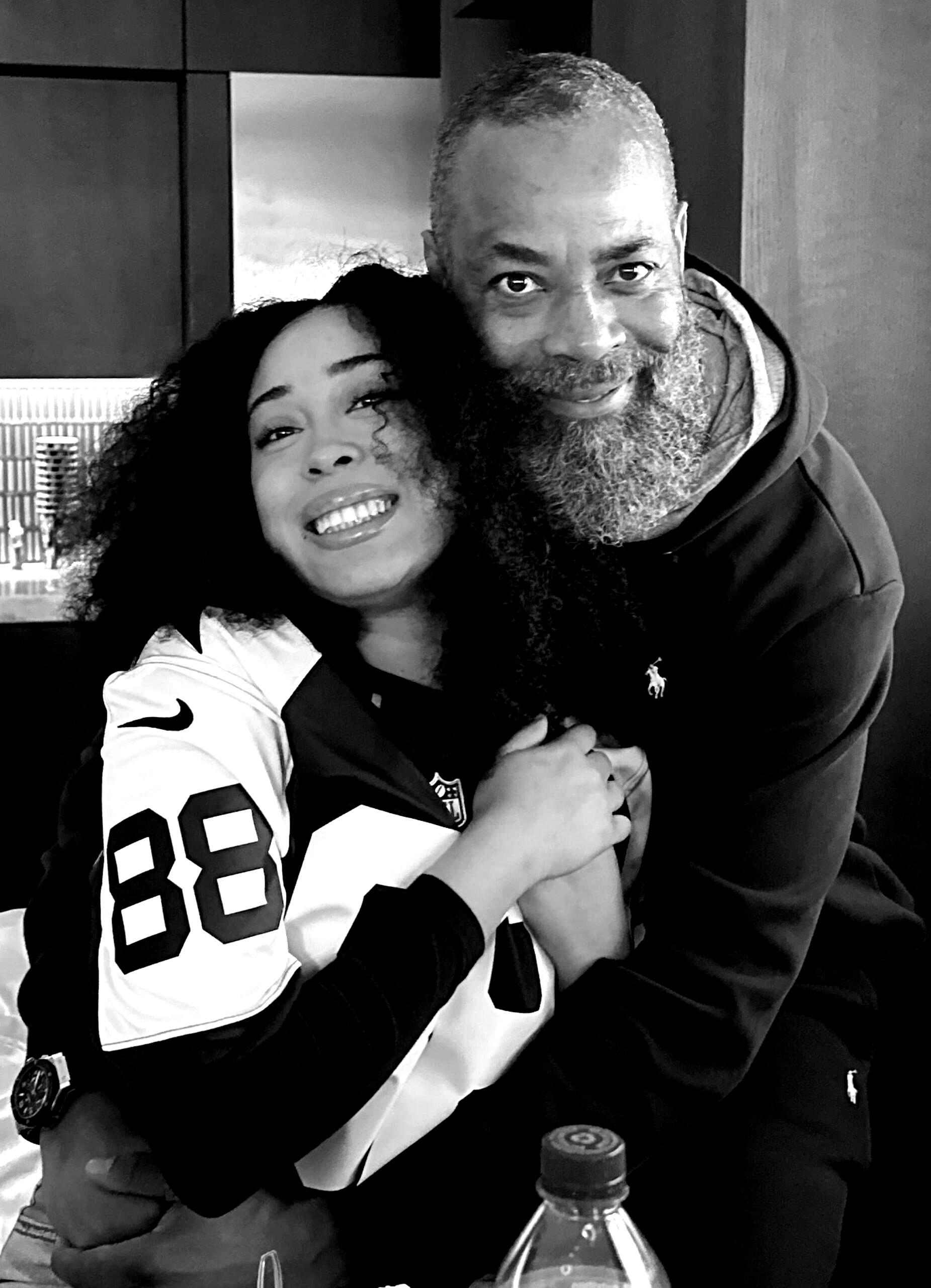
Pain. Consequence. Fatherhood. Faith. Mortality. Humor. Purpose. Enough life to stop confusing being heard with having something to say.
Maybe finding your voice has very little to do with how you sound. Youth changes. Bodies change. Careers change. Money comes and goes. Even the sound coming out of your own throat can become unfamiliar.
What survives? Doc’s answer seems to be: create anyway.
With a voice. Without a voice. With support. Without support. Keep walking.
Something true leaves one person and enters another. A record becomes somebody else’s reference point. A father’s survival becomes a child’s understanding of resilience. A person spends forty years finding purpose, then tries to help the next person find theirs sooner.
Maybe legacy isn’t simply being remembered. Maybe it’s what keeps moving after you.
Doc Curry once believed he was standing at the edge of a fantastic life. Now, decades later, he recognizes the feeling again.
Same electricity. Different man.
Somewhere in a backyard at 9:30 in the morning, feet against the earth, grass growing imperfectly beneath him, Doc can feel something coming.
Not the old life. Not the old voice. Something else.
Maybe a second wind isn’t the universe giving you the life you lost.
Maybe it’s finally having something true to say when it hands you the microphone again.
_

STRIPPED | Created by Sarah Rose
Field Notes from a Female Anthropologist of Modern Culture
Exploring the pulse beneath the noise