
In this series, Frank 151 invites you on a captivating journey around the globe, providing a unique glimpse into the narratives and imaginative landscapes of individuals who are driving creativity to new heights worldwide.
Embark on a visual and intellectual adventure as we delve into the worlds of not only photographers and actors but also delve into the realms of rappers, musicians, graffiti artists, filmmakers, and the visionary minds behind emerging brands. Our creative chronicles are set to unfold, offering a rich tapestry of insights, anecdotes, and life wisdom that traverse the vibrant streets to the dynamic boardrooms, from the vast oceans to the majestic mountains.
Join us as we connect with the crème de la crème of the creative realm, bringing forth a diverse spectrum of perspectives that highlight the intersection of artistry, innovation, and entrepreneurship. From the pulse of urban streets to the serene landscapes, this series promises to capture the essence of the global creative scene, providing an immersive experience that transcends boundaries and celebrates the multifaceted expressions of human ingenuity.
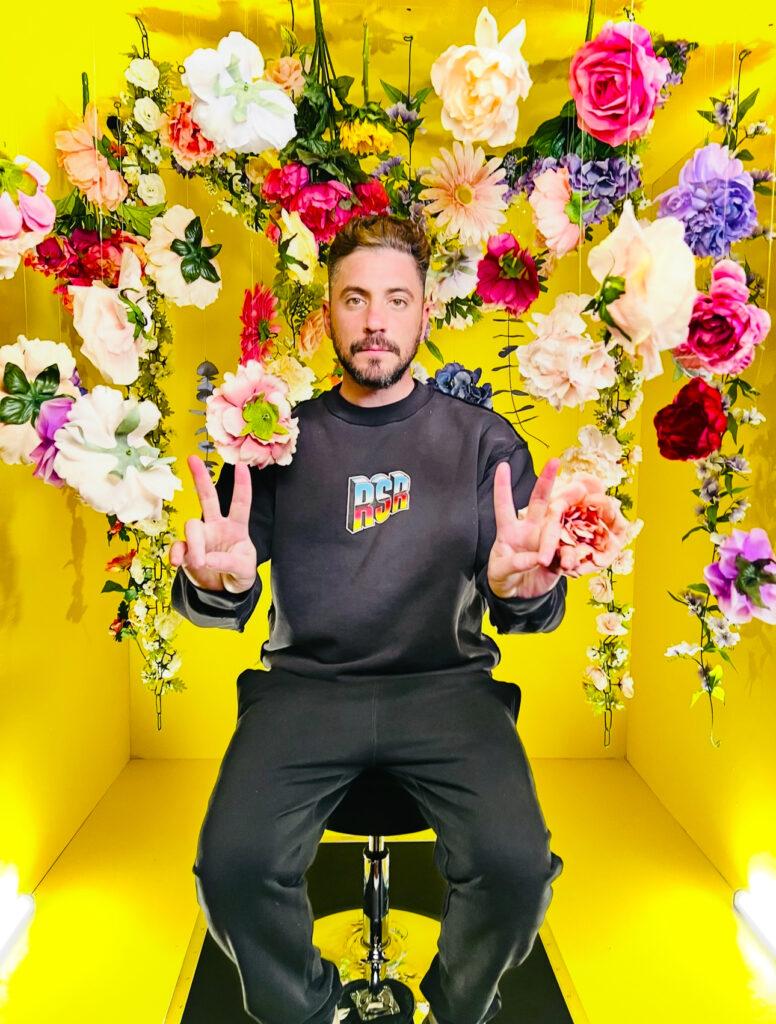
Before street culture became a buzzword, Tal Cooperman was already deep in it — moving between graffiti crews, music, fashion, nightlife, and the kind of behind-the-scenes hustle that never shows up on Instagram. His story isn’t about shortcuts or overnight success. It’s about survival, community, and learning how to turn chaos into craft.
From the raw DIY energy of early L.A. street culture to shaping some of the most visually ambitious hospitality and lifestyle projects of the last decade, Tal’s career has been defined by instinct over instruction. He didn’t study branding — he lived it. He didn’t network , he connected people because the culture demanded it.
Whether it was curating art-forward spaces, helping launch globally recognized brands, or building platforms for creatives who didn’t yet have a seat at the table, Tal’s work reflects a belief that culture is built from the ground up — by people who show up, take risks, and keep going when there’s nothing left but belief.
Frank 151 sat down with Tal to talk hustle DNA, street education, reinvention, collaboration, execution, and what it really means to build something that lasts.
FRANK 151: You’ve been moving in creative circles since you were a kid — from graffiti to branding to hospitality. When you look back, what do you think planted that early “hustle DNA” in you?
Tal Cooperman: I actually come from a good home, but life pushed me into survival mode really early. I dealt with loss, anxiety, and real pressure before I even understood what any of that meant. I watched my parents grind until the wheels fell off, so that work ethic was imprinted on me from day one.
There was a period where I truly had nothing — making a hundred dollars last a month, throwing club nights just to keep the lights on, touring with bands because it was the only lane open to me, even living in my car for a bit. Yeah, I lived in a car. A two-door teal green Ford Aspire. EKLIPS, “AWR, MSK & TSL” named it “The Skittle.”
People think they know that part of my story, but only a few actually saw how far things spiraled. It felt like there was a foot on my throat for years. But even then, I always believed there was more life ahead of me. That belief and the people who took me in when I had nowhere to go, that’s what shaped my hustle DNA. I didn’t have a choice but to figure it out, and that urgency has never left me.
FRANK 151: A lot of people talk about street culture, but you actually came up in it. How did those early years shape your approach to business and creativity?
TC: I didn’t study street culture — I lived in it. I grew up around people who lived differently than what the average person sees every day. Those years taught me everything before I ever stepped into a boardroom.
Doing graffiti and skateboarding teaches you how create something out of nothing.
You learn how to take risks, to read people fast, and work with whoever shows up that day. Nothing was handed to me. If you wanted a shirt, you made it.
I was going to trade shows like ASR, MAGIC, even Surf Expo at 15, not knowing a thing. I worked the first Coachella selling t-shirts with my best friend Aaron Levant. We had no idea what we were doing — but that was the education.
Street culture teaches resilience in real time. It teaches you to trust your gut. The best ideas don’t come from perfect environments — they come from people who are hungry. That’s been my operating system since day one.

“My most brilliant achievement was my ability to be able to persuade my wife to marry me.” Winston Churchill
Tal with his wife Abbi Cooperman in front of KAWS at Palms Hotel.
FRANK 151: You’ve reinvented yourself multiple times. How do you know when it’s time to pivot?
TC: Reinvention isn’t something I chase — it’s something life forces on you when you outgrow a version of yourself. If I feel myself standing still, creatively or personally, it’s time to pivot.
Those pivots come with a cost. I’ve lost friends along the way, not because I wanted to, but because not everyone moves at the same pace. Friendship means everything to me. I show up — birthdays, shows, newborns — no expectations.
People think reinvention means fearlessness. I’m not fearless. I just move anyway. Early on, I was playing checkers — reaction, survival. It took me a long time to learn chess, to think long-term. Reinvention is knowing when the game changes and having the courage — or necessity — to change with it.
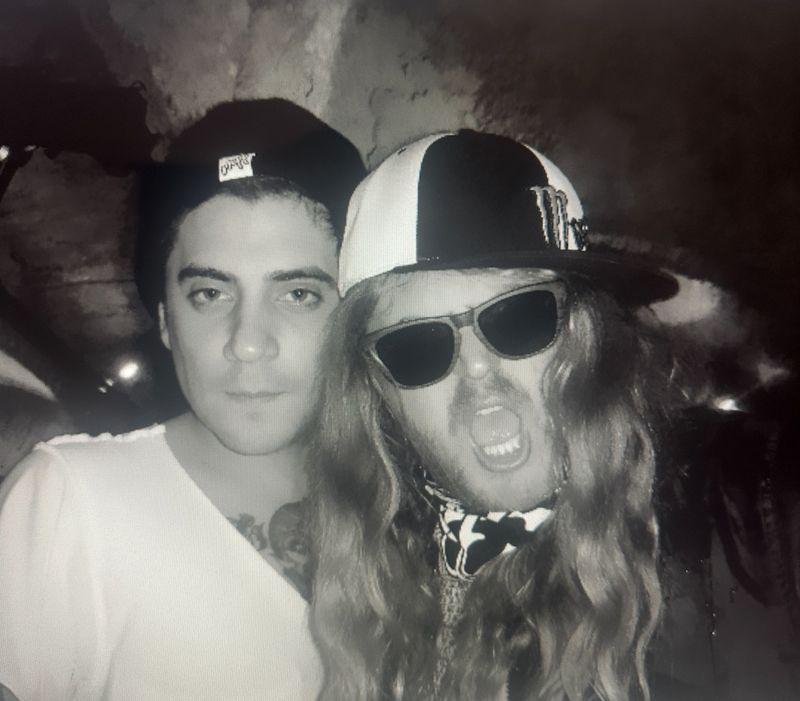
Tal Cooperman with the one and only legend, Dingo. Rest in power.
FRANK 151: Collaboration is a big part of your world. What do you look for in people before bringing them into your universe?
TC: An old friend, MR HAHN, named me “The Dot Connector” over 20 years ago. Back then, nobody was paying me — but I still brought people together because I loved the culture and I loved seeing my friends win.
I look for energy first. Hunger. Respect for the craft. That first call usually tells me everything. I also trust people like my creative director Matt Crist — he sees talent before the world catches up.
I want people who are fearless, curious, and ready to build. If the energy’s right, we’re good.
FRANK 151: What’s one lesson that stays true no matter what industry you’re in?
TC: Relationships and consistency are everything. Trends die. Industries shift. But how you treat people is the real currency.
Do the work. Don’t burn bridges. Show up as yourself. Talent matters — but character lasts longer than any logo or campaign.

Your Network is your net worth. Tal with Lorenzo Fertitta & Connor McGregor
FRANK 151: What separates people who talk about ideas from those who actually execute?
TC: Real builders don’t announce everything. They stay quiet and let the work speak.
I learned to stay silent until it’s real. That discipline alone separates dreamers from executors. The execution muscle is grinding through the messy middle — the stress, doubt, and setbacks — with a small, loyal team that wants to build something bigger than themselves.
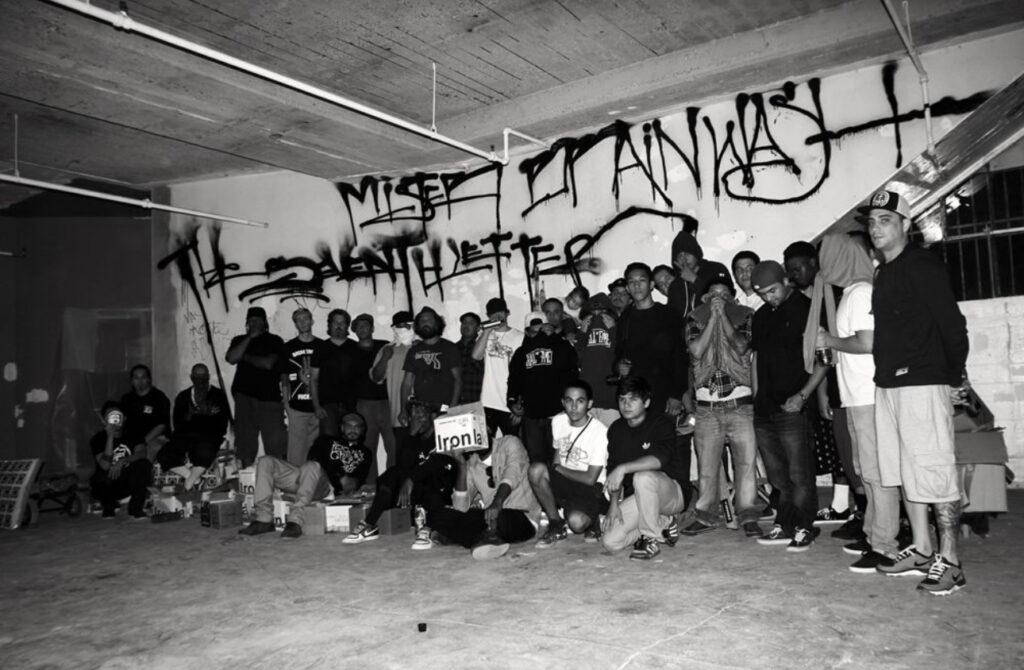
FRANK 151: The Palms was a major chapter. What did that project teach you?
TC: That was my college. I learned how to lead, how to fail, how to get back up. Big projects take something from you — but we built something special.
We brought in world-class artists, musicians, and creators. We pushed boundaries. It shaped me creatively, emotionally, and professionally.
FRANK 151: If you strip everything back, what do you want to build going forward?
TC: A movement that gives back to culture through creativity, community, and opportunity.
Whether it’s action sports, branding, or new creative platforms, my purpose is building things that inspire people and outlive me. I want to mentor, open doors, and help people see what’s possible.
One day I want to say, “Damn. I really did that.” Not for trophies — but because I helped push culture forward.