

In this series, Frank 151 invites you on a captivating journey around the globe, providing a unique glimpse into the narratives and imaginative landscapes of individuals who are driving creativity to new heights worldwide.
Embark on a visual and intellectual adventure as we delve into the worlds of not only photographers and actors but also delve into the realms of rappers, musicians, graffiti artists, filmmakers, and the visionary minds behind emerging brands. Our creative chronicles are set to unfold, offering a rich tapestry of insights, anecdotes, and life wisdom that traverse the vibrant streets to the dynamic boardrooms, from the vast oceans to the majestic mountains.
Join us as we connect with the crème de la crème of the creative realm, bringing forth a diverse spectrum of perspectives that highlight the intersection of artistry, innovation, and entrepreneurship. From the pulse of urban streets to the serene landscapes, this series promises to capture the essence of the global creative scene, providing an immersive experience that transcends boundaries and celebrates the multifaceted expressions of human ingenuity
In the heart of Brooklyn, where the echoes of subway trains blend with the pulse of underground art and streetwear, a new voice is cutting through the noise. That voice belongs to the founder of Street Geek Magazine Jerrell Funtila AKA: @rellyluv — a self-made creative who’s turning DIY hustle and cultural curiosity into one of the most authentic new media platforms to come out of New York in recent years.
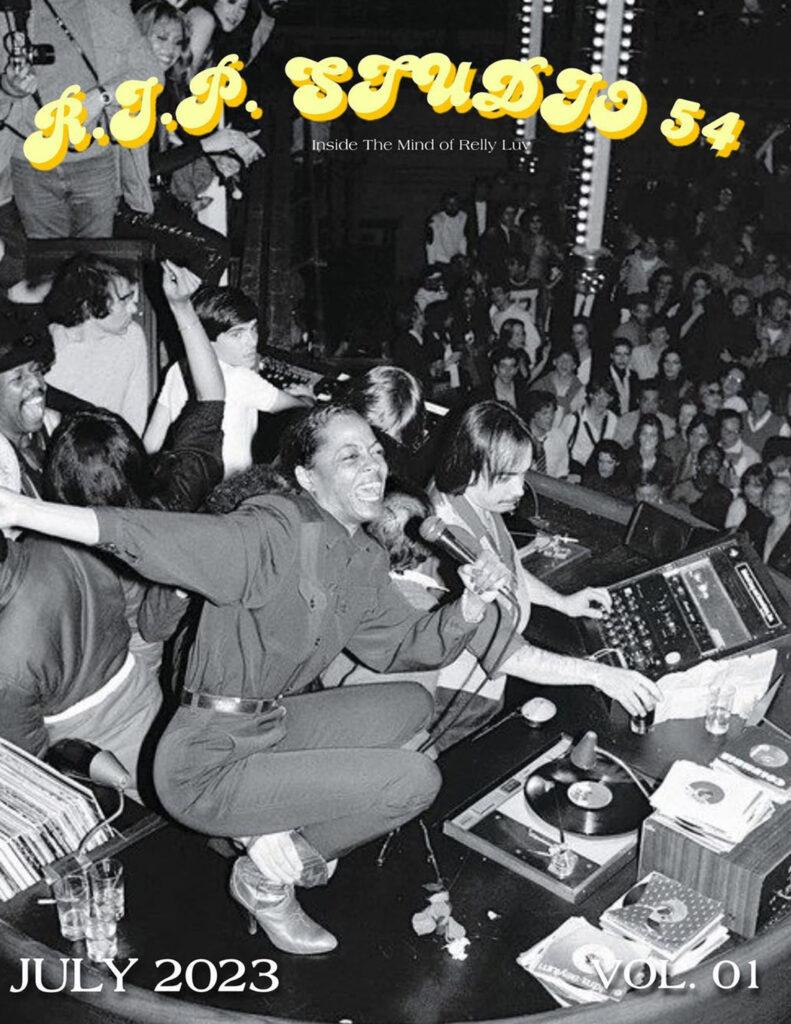
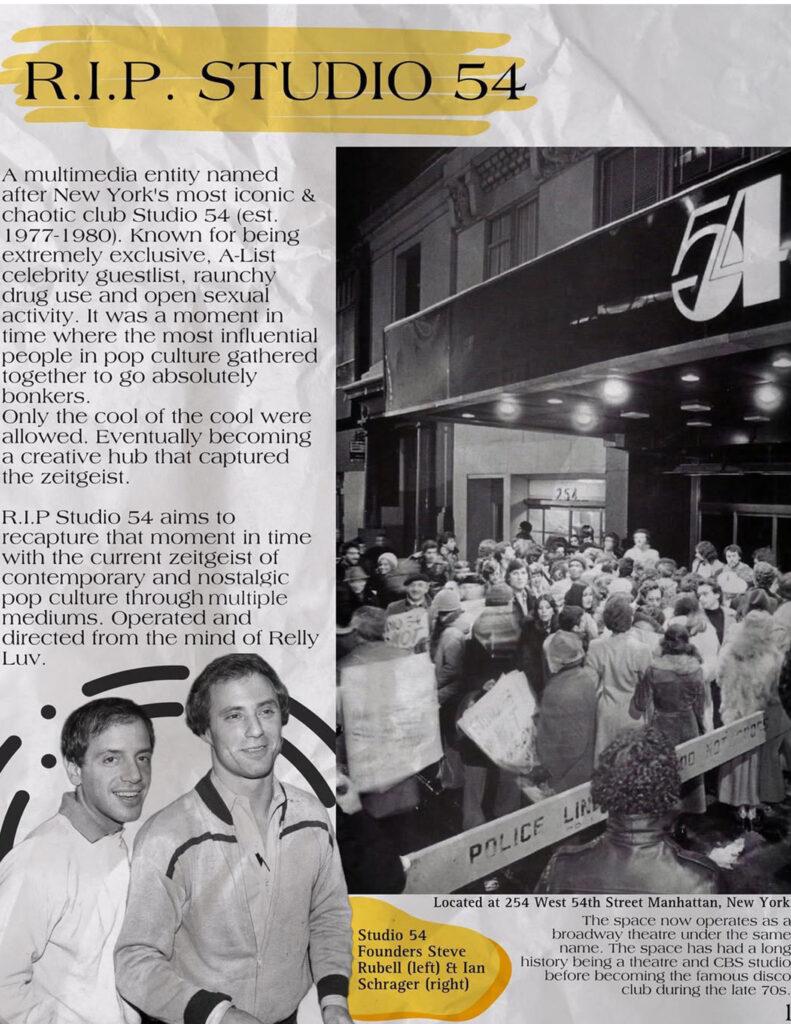
Born out of frustration, passion, and a relentless urge to create, Street Geek started as a small Instagram page reselling curated vintage under the name RIP Studio 54, a nod to the iconic NYC nightclub. Today, it’s evolved into a hybrid digital zine and cultural archive — a home for the “culture nerds with street cred.” With one hand flipping through old copies of The Source and Vice, and the other scrolling through a saturated algorithm, the founder is carving out a lane for those who still believe in storytelling, substance, and staying true to your ethos.
We sat down to talk about the evolution of Street Geek, the struggle of building something real in a digital world, and why the streets and the geeks might just be the same people after all.
Frank151: What inspired you to launch Street Geek Magazine, and how did the idea evolve into the platform it is today?
Street Geek: Man just likes life. Since high school, I’ve always started little passion projects that were short-lived — a clothing brand, a blog, a live talk radio show, even sketch comedy and improv. I tried everything. Looking back, a lot of those “failures” were stepping stones to get me here. Street Geek started as just another creative outlet. Back in 2023, it was really just a way for me to resell curated vintage clothes on Instagram under the name RIP Studio 54.
At that time, I was fed up with job searching and corporate bullshit. One day it clicked — fuck tryna work for somebody else. I wanted to create my own opportunities, hone my skills, and build something real. What started as a small passion project evolved into a digital zine: part archive page, part contemporary culture. I realized all the things I loved could live under one roof — a dedicated platform for my ideas and for other creatives in New York who deserve the spotlight.
I began dropping monthly IG zines, back when you could only post 10 slides. They were digestible, scrollable bites of NYC culture. But over time, the content evolved. I felt like all the legacy magazines had become victims of clickbait and fast-food content. It was rare to find stories that pushed culture forward. So I decided to make my own.
Frank151: As both owner and curator, how do you balance your roles of business strategist and creative editor?
Street Geek: Shit, it’s hard. The two are conflicts of interest by nature. I’d say I definitely keep my creative integrity as the priority rather than pushing it as a business. Sometimes the two sides come together perfectly — especially with creative marketing — but more often than not, they butt heads. I’ve got blind optimism that the cool concepts and content will connect enough with people for the business to thrive later. It’s a slow burn, but fuck it. Money will come and money will go.
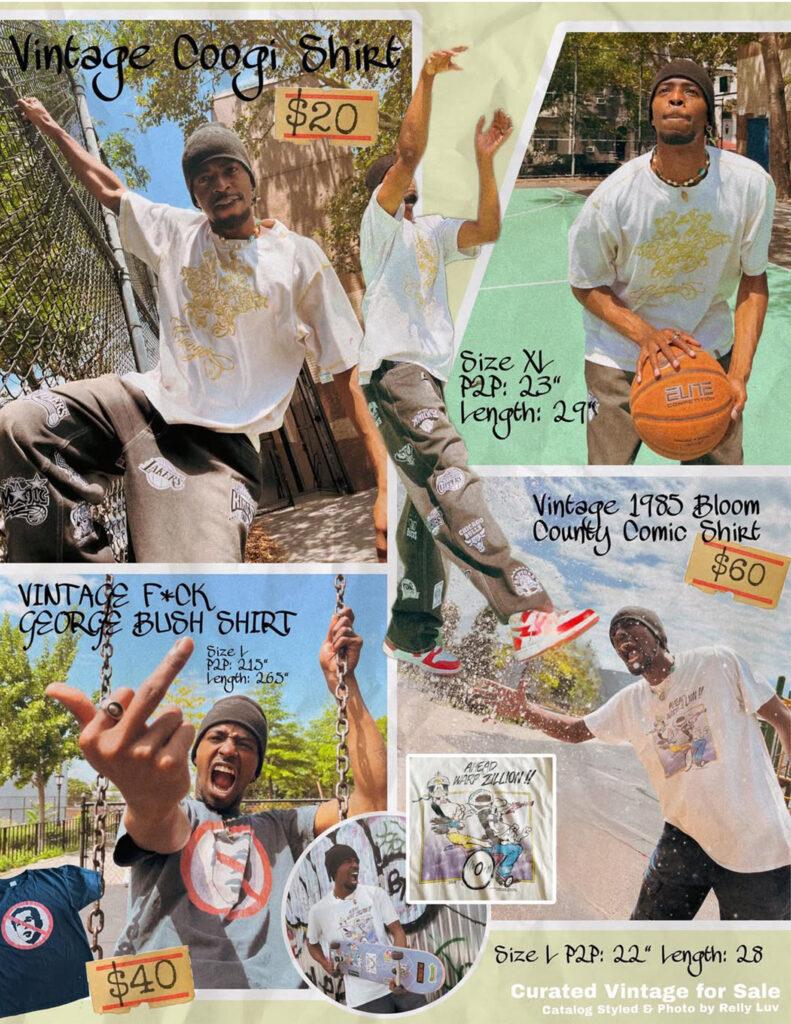
I try my best to post on IG every day, but every post is curated. I’m not chasing news — there’s already a thousand outlets for that. I want evergreen content that resonates. Even with the vintage clothing I sell, I make graphic catalogs that look like old magazines. It might not help sales, but it keeps me creative.
Frank151: How do you define the magazine’s core identity and mission — what sets Street Geek apart from other publications in its space?
Street Geek: Street Geek’s whole ethos is to rep for the people with something to say. Artists who provoke thought, challenge norms, and push culture forward. Our tagline — for the culture nerds with street cred — says it all. It’s about embracing that contrast. The streets are full of geeks — people obsessed with their art, their craft, their communities.
Whether it’s a kid from the hood giving back like Pac or Kendrick, or someone geeking out over street culture and its roots — that’s a Street Geek. We’re part archive, part experiment. We don’t chase trends. We chase truth.

Frank151: What kind of content or voices do you prioritize when curating issues of Street Geek?
Street Geek: For content, anything counterculture. We focus on four big ones — hip-hop, punk, alternative, and streetwear. The more I dive into “anti” spaces, the more I realize all art is anti. For the first issue, we’re featuring emerging artists, underrepresented voices, and unsung heroes making noise in their scenes. People with something to say. Whether it’s calling for social change or just making thought-provoking shit — that’s the energy we’re after.
Frank151: Do you guys cover skateboarding and other action sports?
Street Geek: Right now we cover skateboarding and basketball. Skateboarding is a must — it’s a major pillar of street culture and streetwear. But basketball is a street sport too, whether people realize it or not. Usually, if there’s a skatepark, there’s a hoop nearby. Eventually, we might branch into BMX or surfing — all those board sports share the same energy.
I’ll be real, I’m not a good skater. Call me a poser if you want, but I’ve always thought skating was sick. I’ve got homies who skate, and once I dive deeper into that scene, you’ll definitely see more skating content.
Frank151: Where in the world are you guys based?
Street Geek: Brooklyn, NY baby!
Frank151: Would you like to make the magazine into a physical format in the near future? Is that viable in 2025?
Street Geek: Hell yeah. That’s always been the goal. I’m over digital everything. I’m chronically online because I have to be, but I hate it. The internet’s eating itself — you can feel it. People are craving real things again. Tangible things. That’s why collectibles and physical media are making a comeback. Once you own it, it exists. It can’t get buried in an algorithm.
Frank151: Can you walk us through a recent edition of the magazine — from concept to production to distribution?
Street Geek: Right now, I’m finishing up the debut issue and it feels surreal. The content is a lot of work — it’s all me spearheading everything. Concepts come randomly or through inspiration — weird films, video essays, music, vintage magazines like The Source, Popeye, Vice, and others. Funny enough, I haven’t gotten my hands on a Frank151 yet.
Once I’ve got the concept, I hit up the homies — usually through IG or email — to shoot, collab, or interview. The biggest challenges right now are finances and scheduling. Everyone in NYC is busy as hell. I’m independent and ballin’ on a budget, but I try to compensate people however I can. I’m planning to get the first run produced locally, but that’s a bridge I’ll cross later.
Frank151: How do you measure success for Street Geek?
Street Geek: It sucks because the easiest way to measure success nowadays is through numbers. Likes, views, comments — all that algorithmic dopamine. But I’ve shifted away from that. I measure success in real life.
If someone comes to an event, tells me they read the mag, or mentions Street Geek in conversation — that’s success to me. Of course, it’d be nice to make enough money to sustain it long-term. Capitalism sucks, but we all gotta eat.
Ultimately, I just want to make an impact. Like Pac said, “I’m not saying I’m gonna change the world, but I guarantee I’ll spark the brain that will.” Maybe we won’t change the world, but we can spark someone who will.
Frank151: What role do digital media and social platforms play in the future of niche magazines like yours?
Street Geek: I think social media acts as an entry point to the community we’re building. It’s easy to get caught up in living entirely online, but I’m trying to push for real-world connection. We use digital platforms to recap events, post flyers, and get people outside — not just scrolling.
Even on TikTok, I’m not making “TikToks.” I just post carousels of pics and essays like I do on IG. That’s my version of adapting.
Frank151: Looking back, what’s been one of the most surprising or rewarding moments in your journey with the magazine?
Street Geek: Definitely the Fuck MTA post that went viral. It came from a marketing idea to make fake IDs of pop culture icons as business cards. Then Heaven by Marc Jacobs dropped the same concept, and I was pissed. So I pivoted and made a guide on how to hop the train after MTA raised fares — and it caught fire.
A few months later, they started putting anti-hopping barriers everywhere. I’m not saying I caused that… but maybe I did. Probably not though.
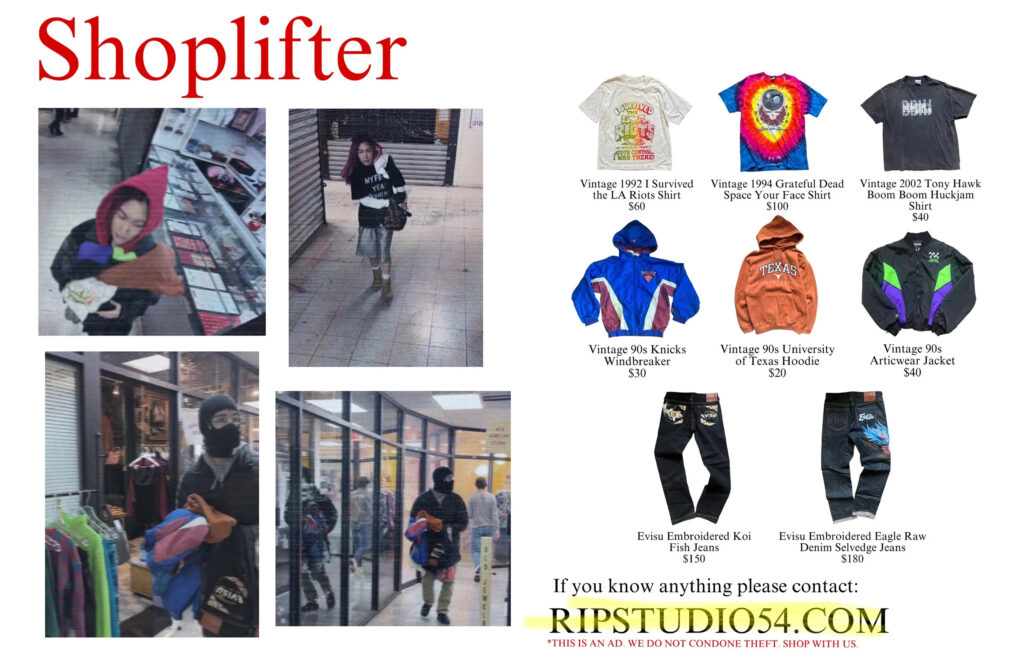
Another highlight was the fake theft campaign I did — after that, I saw similar anti-ads everywhere. And speaking on a panel at Extra Butter about the state of streetwear culture was dope. Shoutout to JD and the Streetwear Flea crew for that.
Frank151: What are the biggest hurdles you face — creative, logistical, or financial — and how do you tackle them?
Street Geek: Right now, it feels like everything’s a hurdle. I’m a one-man band trying to make something meaningful. I’ve got some homies who help with writing and editorials, which I’m grateful for, but the day-to-day grind is all me.
I just trust the process. I stay optimistic, even when I’m broke or burnt out. I take breaks, hop on the game, and try to detach when I need to. I’m just trying to keep the dream alive without losing my mind.
Frank151: Where do you see Street Geek heading in the next 3–5 years?
Street Geek: Damn, 3–5 years? I’m just tryna make it through today. Laughs. But ideally, I see Street Geek being mentioned alongside other niche mags like The Living Proof, Lilypad, and Sneeze. Building a solid community, dropping consistent issues — that’s the vision.
Dream scenario? Going toe-to-toe with Hypebeast, Complex, Vice — becoming a full-on media company but keeping the authenticity intact. I want to branch into podcasts, video series, events, merch, collabs — all of it.
But one step at a time. I relate to Icarus a lot. My ambition might fry me — but at least I tried.
Check them out HERE:
Website: https://www.streetgeekmagazine.com