
In this series, Frank 151 invites you on a captivating journey around the globe, providing a unique glimpse into the narratives and imaginative landscapes of individuals who are driving creativity to new heights worldwide.
Embark on a visual and intellectual adventure as we delve into the worlds of not only photographers and actors but also delve into the realms of rappers, musicians, graffiti artists, filmmakers, and the visionary minds behind emerging brands. Our creative chronicles are set to unfold, offering a rich tapestry of insights, anecdotes, and life wisdom that traverse the vibrant streets to the dynamic boardrooms, from the vast oceans to the majestic mountains.
Join us as we connect with the crème de la crème of the creative realm, bringing forth a diverse spectrum of perspectives that highlight the intersection of artistry, innovation, and entrepreneurship. From the pulse of urban streets to the serene landscapes, this series promises to capture the essence of the global creative scene, providing an immersive experience that transcends boundaries and celebrates the multifaceted expressions of human ingenuity.
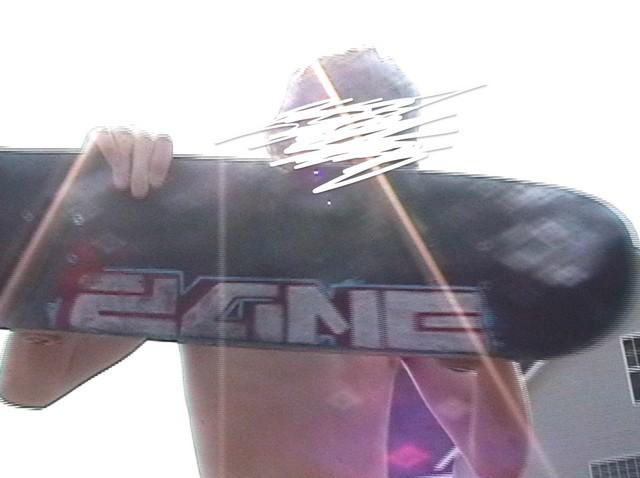
Zane Meyer 2004
The founder of Chop ‘Em Down Films has spent more than two decades documenting graffiti, street art, and contemporary culture from inside.
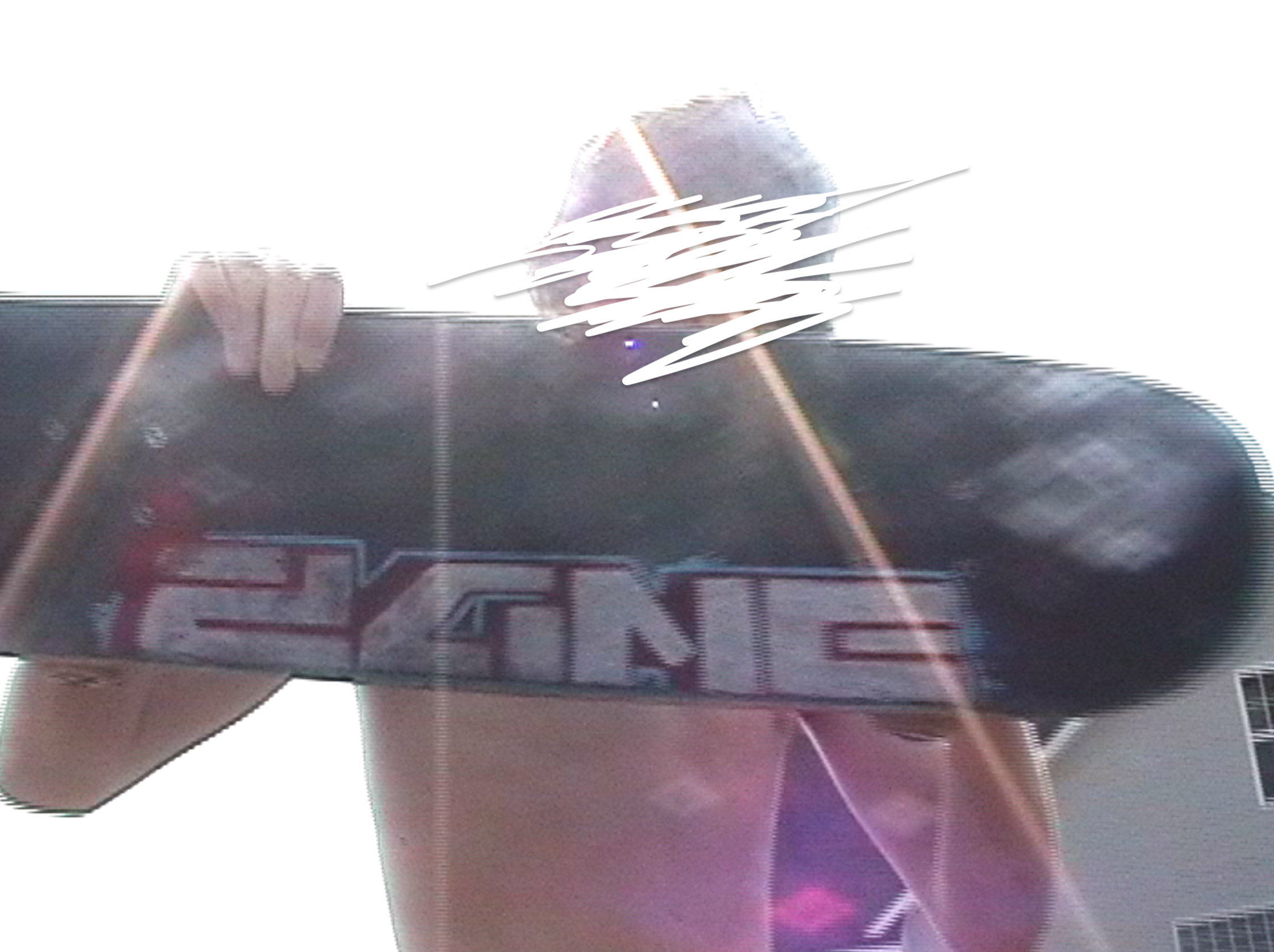 Zane Meyer has been the person behind the camera in spaces most documentarians never get into. Founder of the Los Angeles-based creative studio and cultural archive, Chop ‘Em Down Films, Meyer has built one of the largest archives of contemporary graffiti, street art and subculture documentation in existence in over 100 cities, 60 countries. Two decades of film and photography, much of it never released. Shepard Fairey, who wrote the foreword to Chop em Down’s first monograph, has called Zane “the most prolific and respected documentarian of the contemporary art movement.”
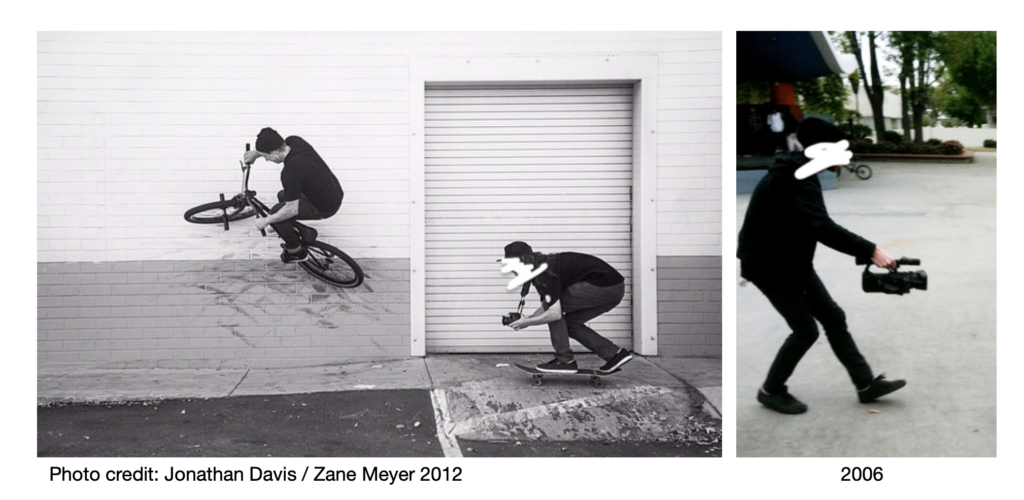 Photo credit: Jonathan Davis / Zane Meyer 2012
FRANK 151: You started Chop ‘Em Down Films in 2010 — what pushed you to pick up the camera in the first place?
Zane Meyer: It goes further back than 2010. I first picked up a camera in 1997 because I was a skateboarder and wanted to film what me and my friends were doing. I was a kid with a camera, filming what was already in front of me. By the time I got to high school and started taking video classes, I’d already developed my style and the instinct that’s defined my work ever since. In the early 2000s, the only routes for someone with a camera were movies, documentaries, music videos, reality TV, or Nat Geo. None of them looked like what I was making. I just kept pushing it anyway.
FRANK 151: At what point did it shift from documenting your surroundings to becoming a global project?
ZM: My brother had a huge influence on what I was filming. He owned a gallery and brand called Us Versus Them, and Chop ‘Em Down Films became the video arm of UVT. I later on became a part owner. I documented every scene we were part of — skateboarding, graffiti, tattooing, fixed freestyle, cars, musicians, etc. As the brand grew, I grew with it. Stüssy picked us up in 2012 and started funding our travels to create videos. I’d use those trips as launchpads traveling overseas, then going wherever else I could get to, meeting people, building the network. Around that same period my work started getting picked up by Hypebeast, Highsnobiety, The Seventh Letter so I was building an audience before social media was a thing. By the time platforms shifted and everyone moved over, there was already a base of people who knew my work globally
“I’d use those trips as launchpads, going wherever else I could get to, meeting people, building the network. By the time platforms shifted and everyone moved over, there was already a base of people who knew my work globally.”
FRANK 151: You’ve filmed across multiple countries — what draws you to a city when you land there?
ZM: Culture, artists, architecture, food. I’m not always picking where I’m going. Sometimes a project takes me somewhere and I make the most of it. If I’m in one city, I’ll try to map the whole region while I’m there.
Night moves
FRANK 151: How do you decide what’s worth capturing versus what gets left behind?
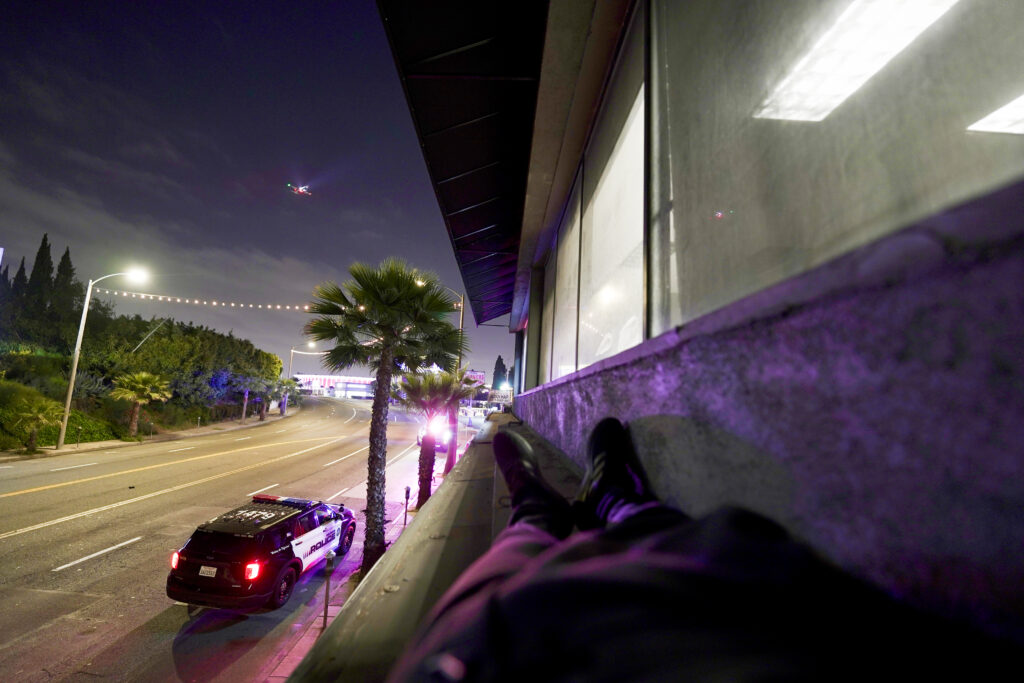
ZM: It’s hard… Something that’s constantly in my head is capturing a moment vs living in the moment. I’ve sacrificed living in the moment to have the footage for life many times. What’s tough about it is that my memory of a moment is a digital memory vs seeing it with my own eyes. Nowadays, (especially at concerts) I really try to be selective and take in moments versus having my eye looking through my view finder.
I’m always shooting. Almost everything is worth capturing in the moment. The question is what’s worth releasing. I always say skateboarding and graffiti are the most underrated forms of documentation that exist. You can’t redo the moment, you have to capture it the first time, you’re reading the environment constantly, and anything can throw it off. Weather, light, a security/cop pulling around the corner. I’ve gotten more selective over the years — some of what I’ve shot was never meant for an online audience. It was for the archive, for the people who were there, for the record someone will need to look at in fifty years.
“I always say skateboarding and graffiti are the most underrated forms of documentation that exist. You can’t redo the moment.”
FRANK 151: Your work sits close to graffiti culture — what was your first real connection to that world?
ZM: My brother Mike (GLORY) was a graffiti writer in the ’90s. He introduced me to Style Wars, Life Sucks Die, Can Control, Frank151. He’d show me his black books and his personal archives. Him and his friend, MENSO would take me on missions painting freights and hitting spots when we traveled and met up with locals. When he and his partner, Graham Nystrom opened Us Versus Them, the gallery brought in all kinds of artists that I would end up filming starting from high school.
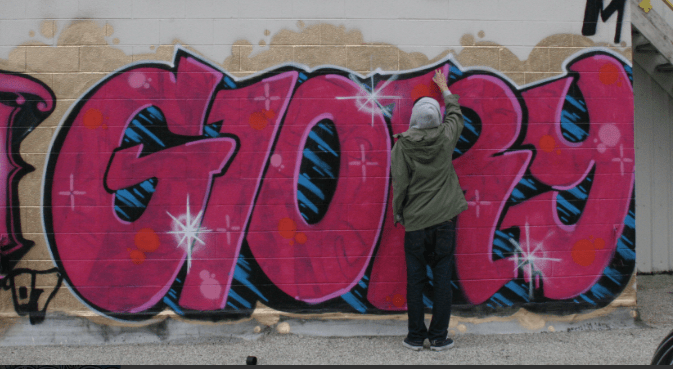

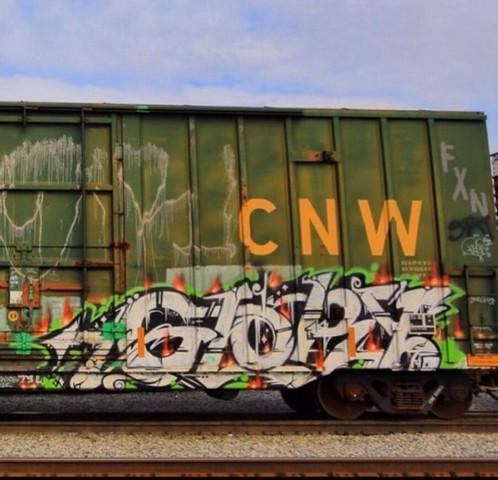
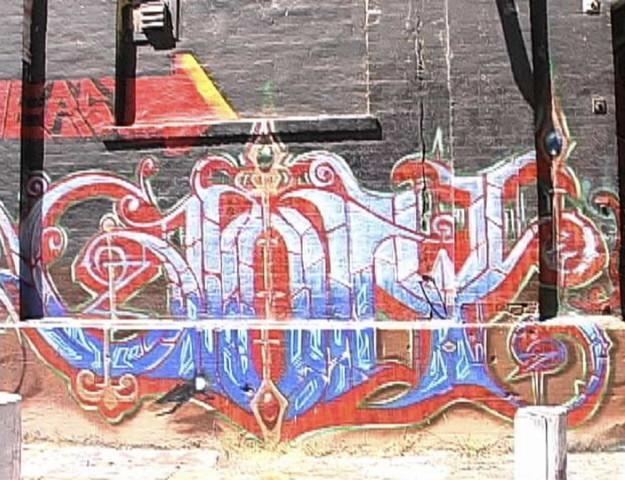
Photo credit: Mike (GLORY)
FRANK 151: How do you approach filming graffiti, protests, and other street scenes without compromising its raw, illegal, or fleeting nature?
ZM: I always like filming handheld. It puts the viewer on the mission with the subjects I’m filming and gives them the feeling of being there. It’s also practical – a camera around your neck allows me to be able to dip if I need to.
FRANK 151: Your films feel unpolished in the best way — what’s your philosophy when it comes to shooting and editing?
ZM: My style is cinematically raw and captures reality as it’s happening. My best work happens under pressure but I’ve always studied my environment and anticipated moments instead of setting them up. I learned early on, on skateboarding and on graffiti missions, that there’s a flow happening with an individual — even more so when there’s a crowd — and the worst thing you can do is interrupt that flow to get a shot. The shot’s already happening. You just have to be in the right spot when it does.
Evolution
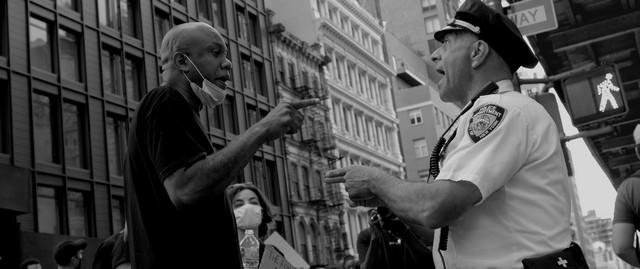
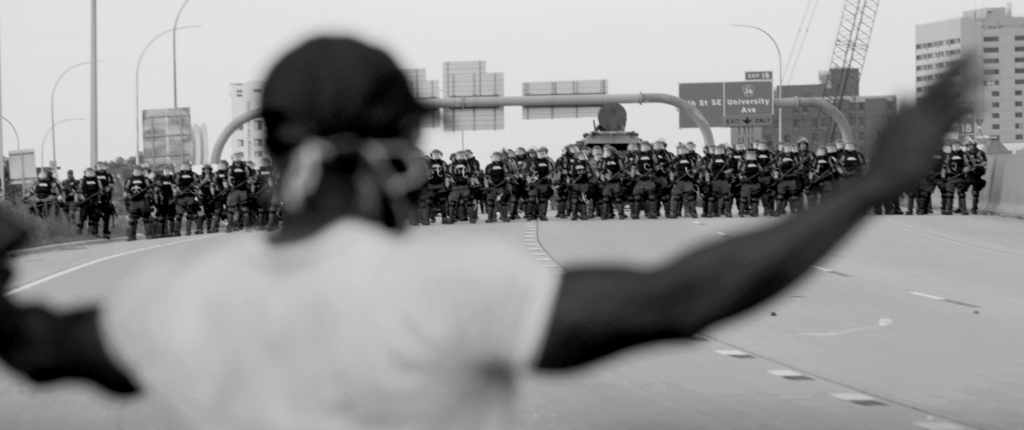
George Floyd Protests
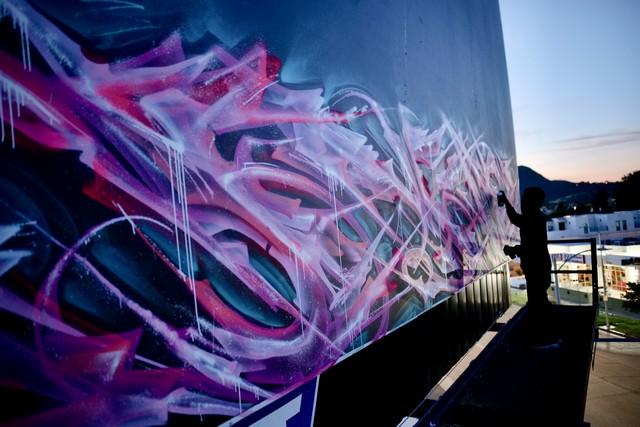
Photo: SAUTE LA
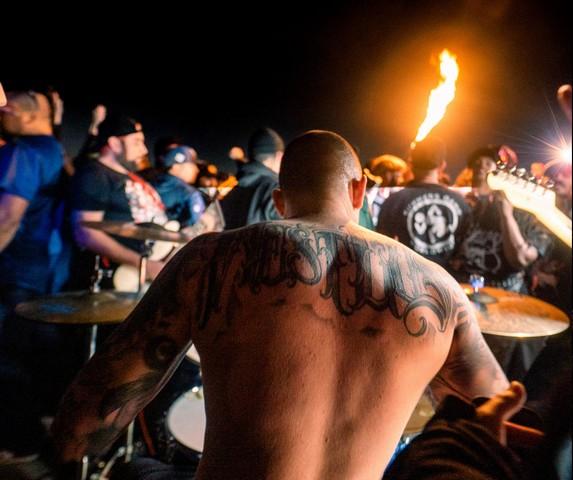
Photo: Dead City Punx
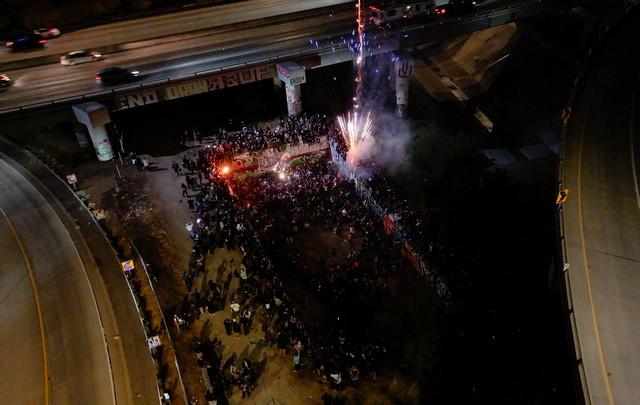
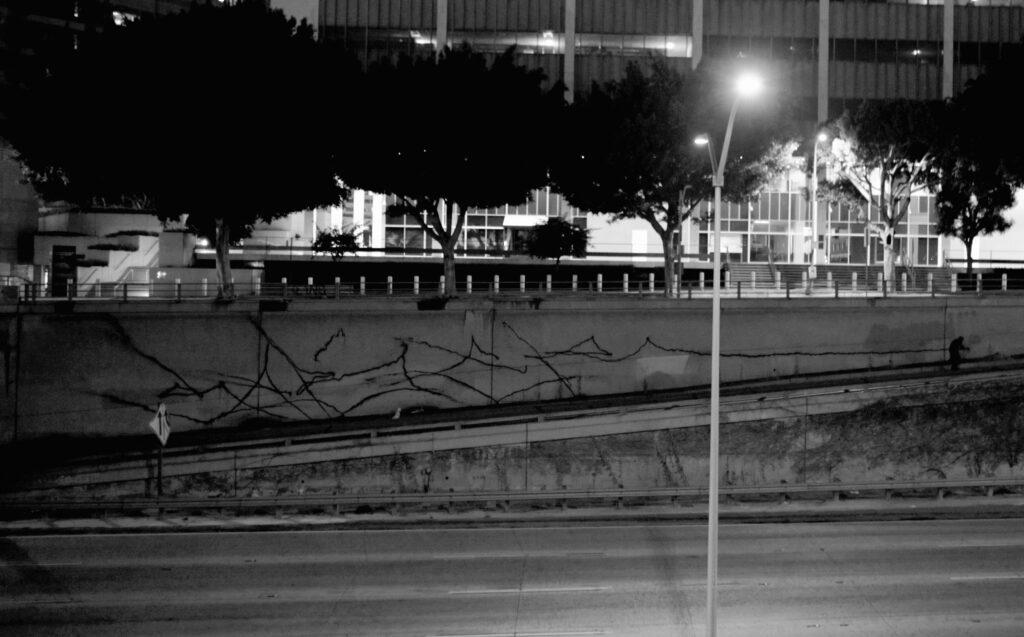
SABER 2021
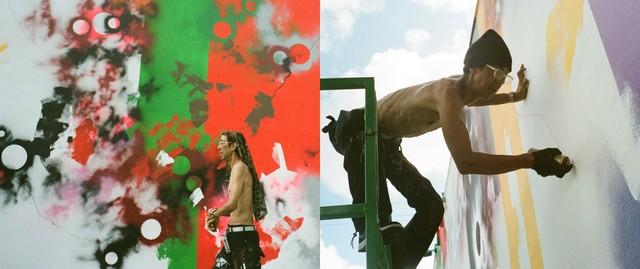
Photo: FUTURA2000
FRANK 151: What’s your perspective on how graffiti has evolved in the last decade?
ZM: Graffiti’s always been ego-driven. What’s changed is the distribution between the action and the audience. Pre-COVID, I’d shoot a lot and not put any of it out. Then COVID hit and I realized the police weren’t paying attention to graffiti the same way since they had bigger problems. So I’d film something at night and have an edit online a few hours later. I did that for a couple of years but these last few years I’ve really pulled back from putting it out.
The Miami towers and the LA graffiti towers were a jump start for many drone operators /filmers that were not in the scene. They saw the numbers those clips were doing online and latched on. Most of them are chasing views, not documenting culture.
Style wise there’s been a shift for graffiti writers adopting São Paulo’s rappelling style. Pixadores pioneered rappelling in the 90s but rappelling has really taken off world wide in the last several years ever since I went there in 2020 and put a magnifying glass on these amazing Pixo writers.
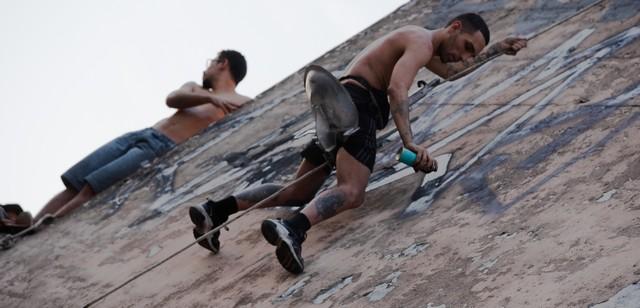
Photo: CATADOS VG, Sao Paulo
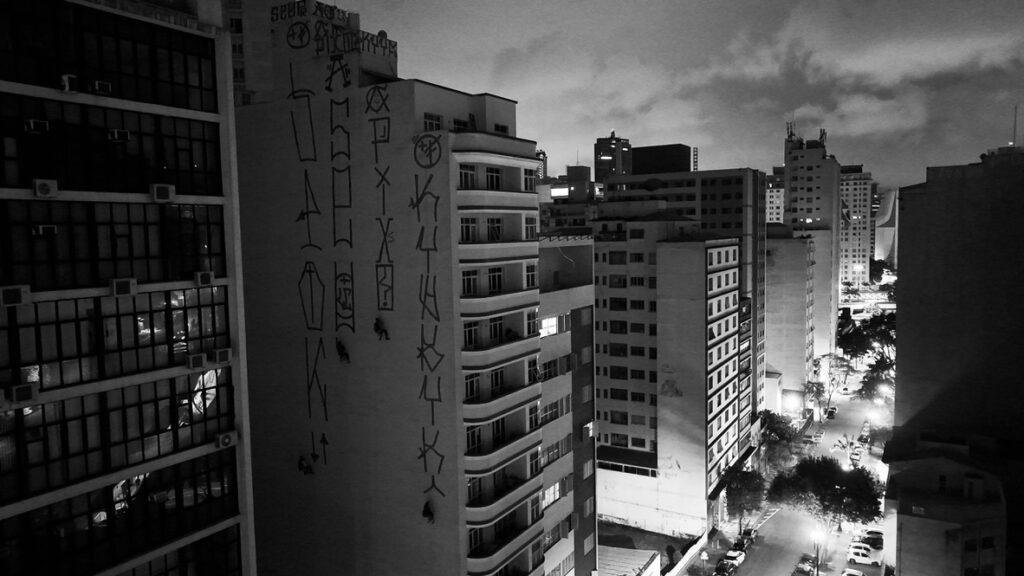
Photo: KTASTRO, PIXOLOCURA, SEUP, SPOK “Geração Rapel”, Sao Paulo
“Most of them are chasing views, not documenting culture.”
FRANK 151: How important is storytelling versus just capturing moments as they happen?
ZM: Both matter, and the relationship between them changes over time. The first part of my career was mostly capturing: being in the moment, getting the footage, trusting that I’d figure out what to do with it later. But somewhere along the way, the volume of what I’d collected started telling me what it wanted to be. The archive got too deep to just keep adding to. I started thinking more about what I was capturing while I was capturing it – what story it might be part of, what other footage it would eventually sit next to. I think about it before, during, and after. The music, the edit, the sequencing, the narrative. The work I’m making now is built around that.
FRANK 151: Tell us about MOMENTUM. And what’s next?
ZM: We did a solo show in Los Angeles in 2022 called MOMENTUM. It was amazing to see over a decade of work come together. It had a massive turnout, LA really showed up. We released a photography book and a LA graffiti film with a live score from Drumetrics. We also had a Pixo Room that was the first formal exhibition of Pixação in North America. It felt like the city needed a big show to start off the post pandemic era.
Coming up next is “By Any Means Necessary.”, opening July 9 at MTN Gallery Barcelona running til August 29. Very excited to showcase many different forms of resistance worldwide etc Graffiti, protests, street chaos and more.
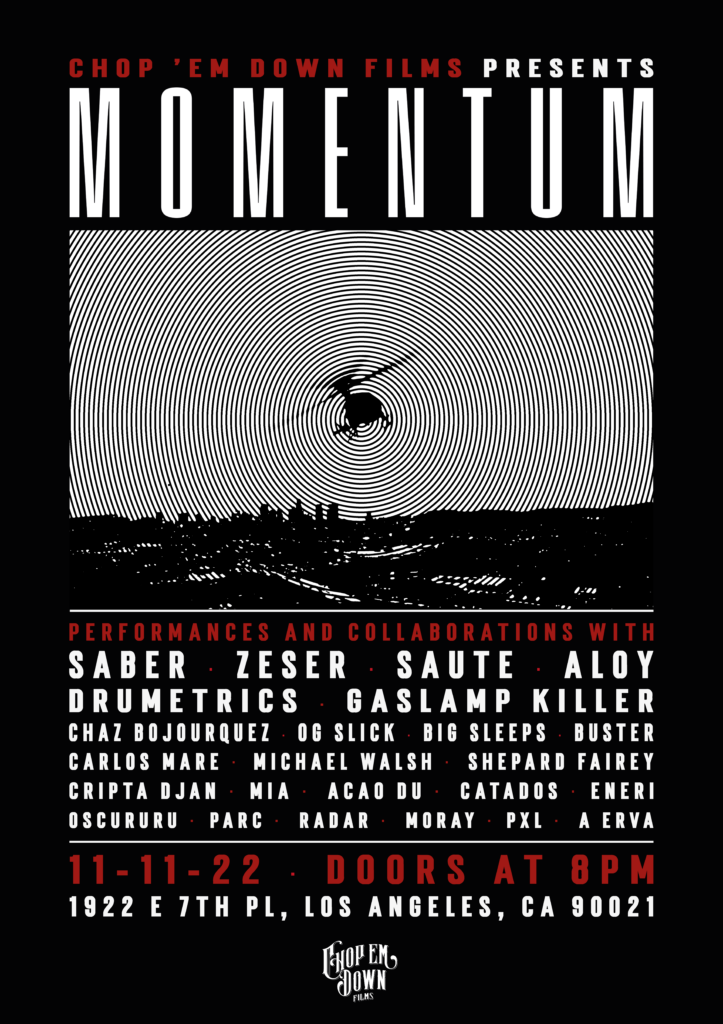
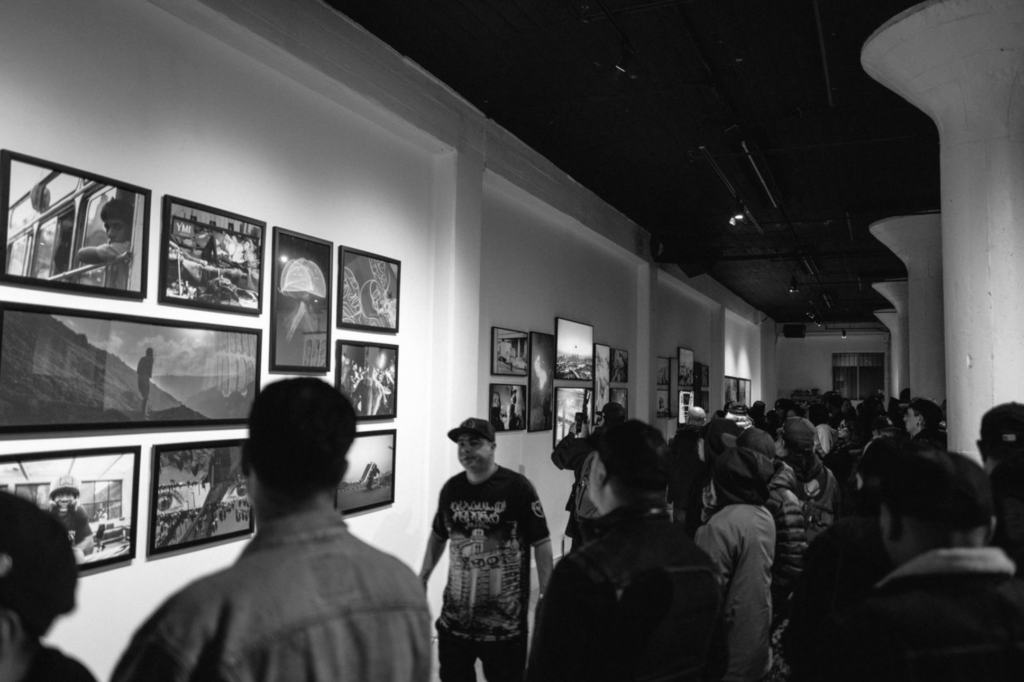
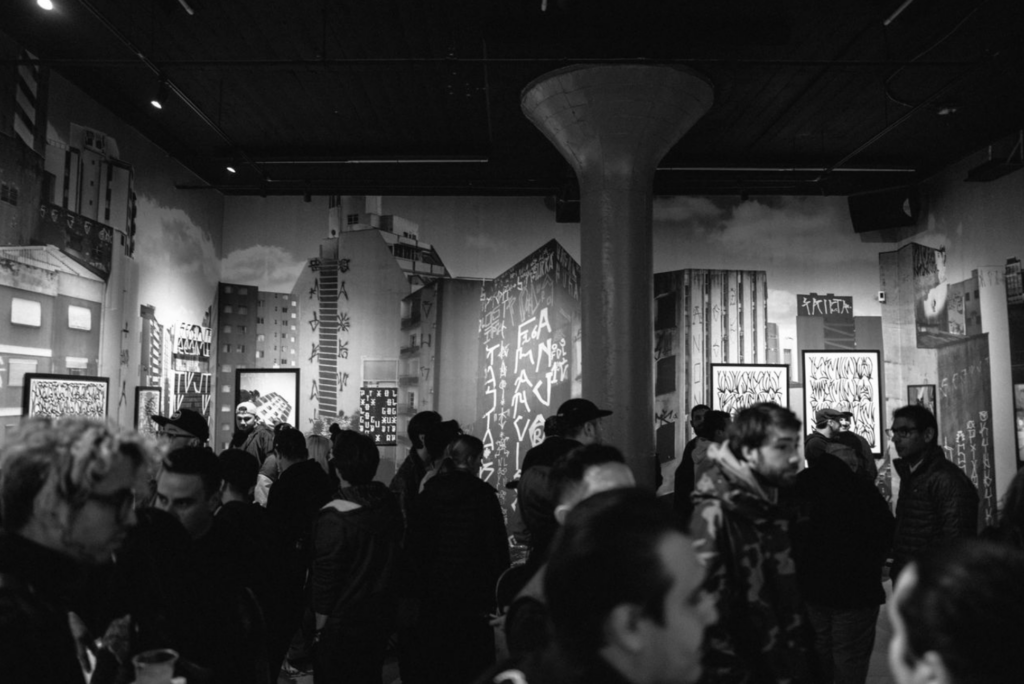
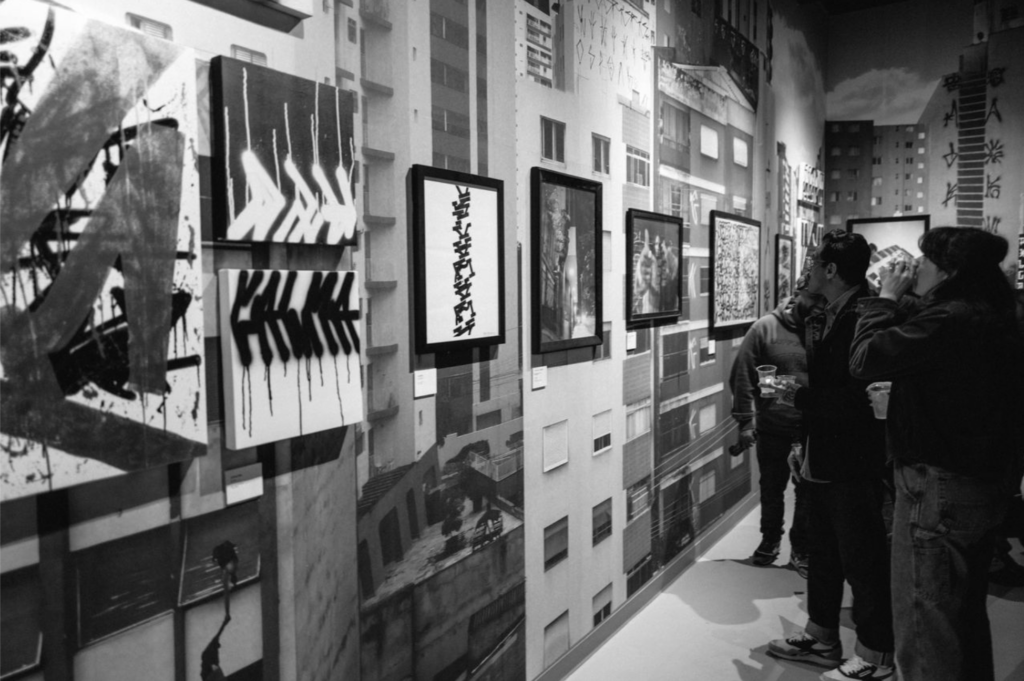
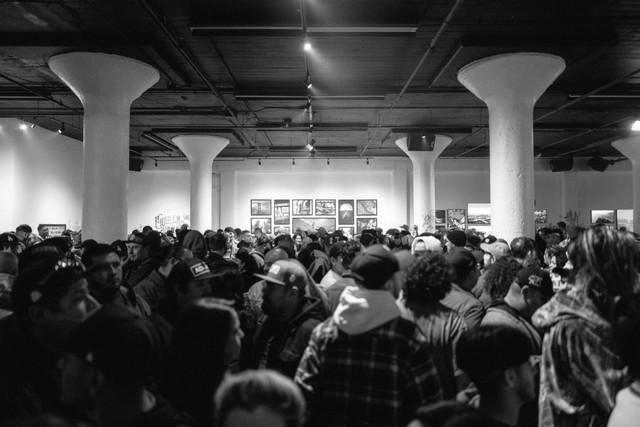 Photos By : Morganar
FRANK 151: Shepard Fairey has gone from underground to global recognition — how do you view that trajectory?
ZM: Shepard is the hardest-working artist I’ve ever met. We first started working together in 2016 and I’ve filmed him all over the world. His craft and work ethic is genuinely insane and I wish we’d linked up earlier. With everything he built — the street campaigns, the iconic graphics, the body of work — he was always going to rise to the top. That’s thirty-plus years putting in work. and I made a mini doc on him a while back called Facing the Giant. He also wrote the foreword to our first book in 2022, which still doesn’t fully feel real. He articulated what I do in a way that even my family finally understood. I’m lucky to call him a friend.
“He articulated what I do in a way that even my family finally understood it.”
FRANK 151: Do you think mainstream success helps or hurts street culture?
ZM: Giving a platform to people who haven’t put in the work is bad for culture.
FRANK 151: Have you noticed a shift in authenticity as brands and institutions get more involved?
ZM: Most brands follow trends and most of the trends they chase weren’t built by them – they’re trying to buy their way into a culture instead of being part of one. You can usually tell looking at a campaign whether anyone involved actually knows the world they’re referencing. The brands that get it right are the ones with real people inside who came from the culture. Born x Raised, The Seventh Letter, Us Versus Them, Stüssy, Tribal and others.
FRANK 151: What role does music play in shaping your films?
ZM: Music is the number-one influence on my work. Even though I’m a fan of plenty of directors and cinematographers, my biggest influences are musicians. I’ll hear a song and create entire scenes — sometimes entire films — in my head. Music is powerful in a way visual work usually isn’t. Watch a horror film without the score and it stops being scary. My biggest influences over the years: Black Sabbath, Drumetrics, Gaslamp Killer, Ye, Philip Glass, Marilyn Manson, A$AP Rocky, Metallica.
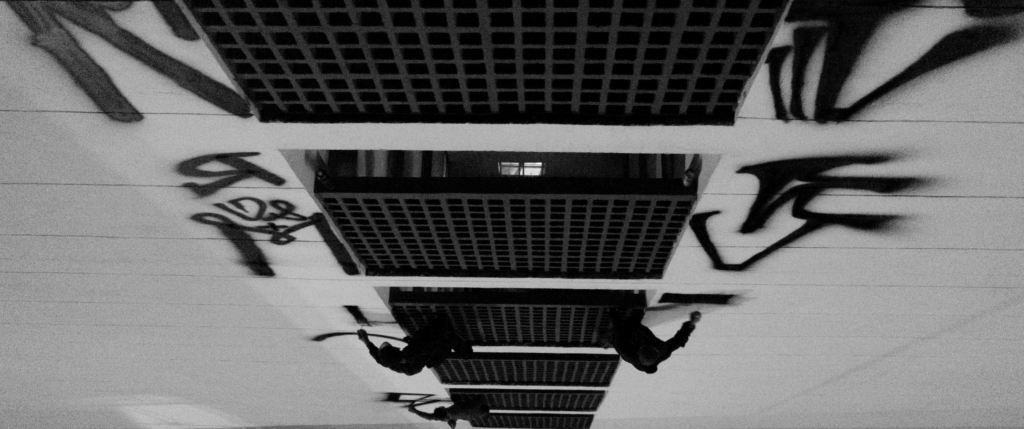 Photo: ACAO / RADAR/ CBTV, Sao Paulo
FRANK 151: What’s been the most unpredictable or intense moment you’ve experienced while filming?
ZM: There are so many LA stories outrunning police, hiding from ghetto birds but my craziest experiences have all been in São Paulo. That city at night has eyes on you. It’s waiting for you to slip up. I first went out there during the pandemic and started filming pixação writers. Pixo is an aggressive hand style from Brazil. They’re vertical styled letters up the sides of buildings, ten, fifteen stories, free solo, no ropes, climbing up each other’s backs to reach higher. The first time I saw it I couldn’t believe what I was watching. Pure adrenaline. Pure commitment. I was hooked instantly. Pixo writers move different.
“Pixo Writers move different.”
FRANK 151: Have you ever had to make a call to not release something you captured?
ZM: Most of my street footage hasn’t been released. I have some of the most cinematic and ground-breaking documentation of these scenes that exists. But there are two reasons I’m holding it.
The first is that the footage deserves the right vehicle. A clip in an insta reel is just a clip. I’m interested in putting it out in a form that lasts forever and that takes time.
The second is that putting out films of illegal activities in 2026 can be problematic. I have friends that tell me horror stories of cops raiding their houses. The street scenes have been under the radar for a while, especially since the pandemic, but we’re five, six years out now, and AI has made local law enforcement way more efficient overnight. I’m not in a hurry to release things that could put my friends and I at risk.
FRANK 151: How has social media changed the way street culture is documented and consumed?
ZM: Social media pushes trends. I was editing videos before social media existed, so I’ve seen the whole evolution — websites to blogs to Instagram to reels. Now it’s mostly about picking a song that’s popular and cutting footage that’s short and vertical and fits inside a fifteen-second container. It’s frustrating. I can’t wait for the vertical format to die.
Social media also breeds garbage artists and creators at scale. They’ve always existed — they just used to filter out. The innovators rose to the top because bad content could be ignored. Now anyone can put out something that goes viral, and then a hundred people bite it within a week. There’s so much slop online I rarely see anything that genuinely inspires me anymore.
Looking Forward
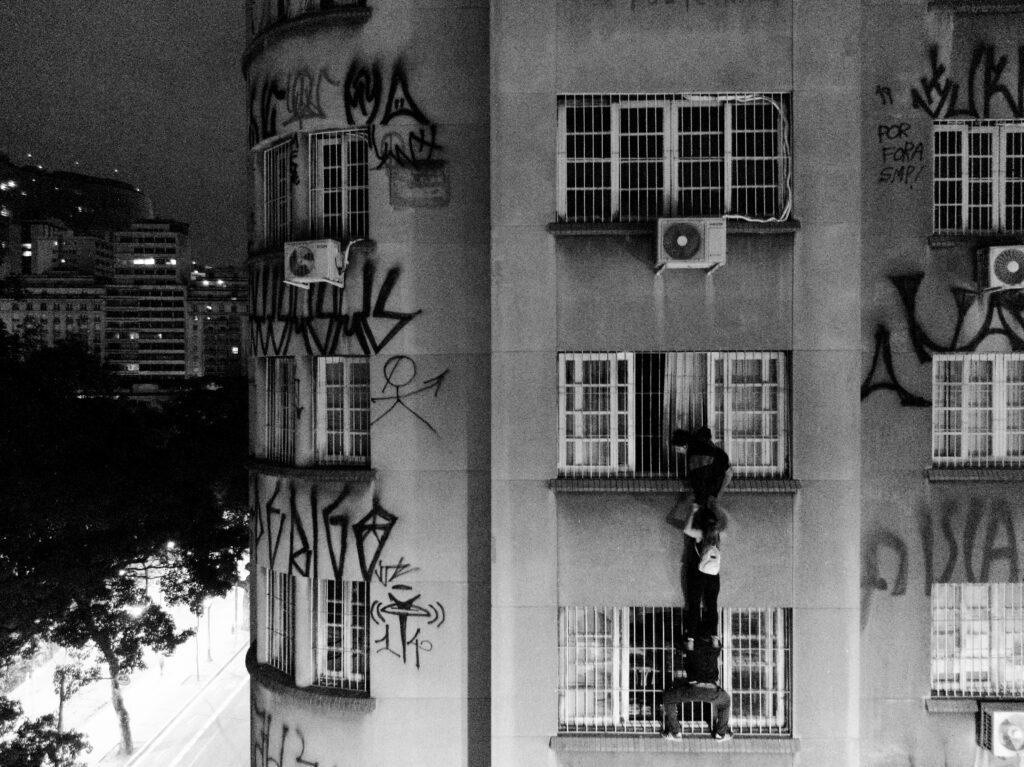 Photo: ENERI, JACKIE, CATADOS VG, Sao Paulo
FRANK 151: Looking at 2026, how do you see the state of the world influencing street art and film?
ZM: The world is heavy right now. People are watching things happen in real time on their phones that the world used to be insulated from (wars, displacement, state violence) and the platforms are deciding what gets shown and what gets buried. We’re inside a moment where information itself is curated by people whose interests aren’t aligned with telling the truth. That affects every real artist, whether they admit it or not. It affects what gets seen, what gets censored, what gets pushed, what gets quietly throttled. Unfortunately history is mostly written by the winners.
FRANK 151: Does the current global climate push artists to be more vocal, or more cautious?
ZM: It should push them to be more vocal but most are playing it safe. I get why because there are real consequences for speaking, especially right now but it frustrates me when artists are loud about safe political positions and silent about the ones that actually cost something to take. That’s the root of the problem. Saying the right thing when everyone’s saying it isn’t a position. It’s a posture. The artists I respect have always been willing to say things that were against the grain. George Carlin, Malcolm X, Peter Joseph, Immortal Technique, Killer Mike, SABER, Zach de la Rocha, etc
FRANK 151: What projects are you working on right now?
ZM: A few things – solo show in Barcelona, two photography books coming out later this year. Also a few films in different stages — one with James Jean, one looking at LA street culture, and some longer profiles of graffiti writers I’ve been documenting for years.
FRANK 151: Is there a location or story you haven’t captured yet that you’re chasing?
ZM: Always.
FRANK 151: What’s next for Chop ‘Em Down Films?
ZM: The work has gotten more ambitious as I’ve gotten older — bigger formats, longer arcs, more collaboration with the artists I document instead of just documenting them. There’s a few longer projects in motion. The shape of what CED does now is different from what it was five years ago, and it’ll be different again five years from now – keep evolving with the work, not to settle into a format.
FRANK 151: If you had to strip it all back — what keeps you doing this?
ZM: Respect for the people I’ve documented, and the responsibility of holding their stories properly. The adrenaline of being inside something while it’s happening. And legacy — both theirs and mine. The work is going to outlive all of us.
“The work is going to outlive all of us.”
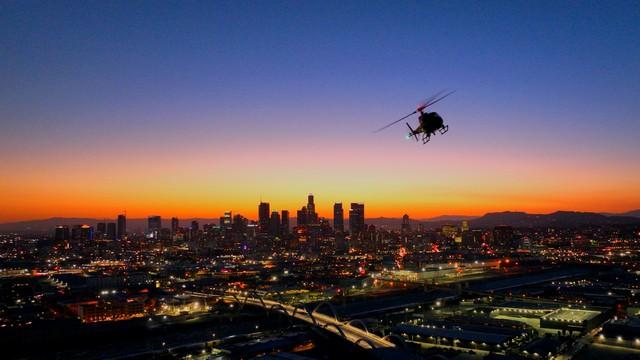
Follow Chop ‘Em Down Films at @chopemdownfilms and chopemdown.com. Zane Meyer’s international solo exhibition, “By Any Means Necessary.”, presented by Chop ‘Em Down Films, opens July 9 at MTN Gallery Barcelona and runs through August 29, 2026.