
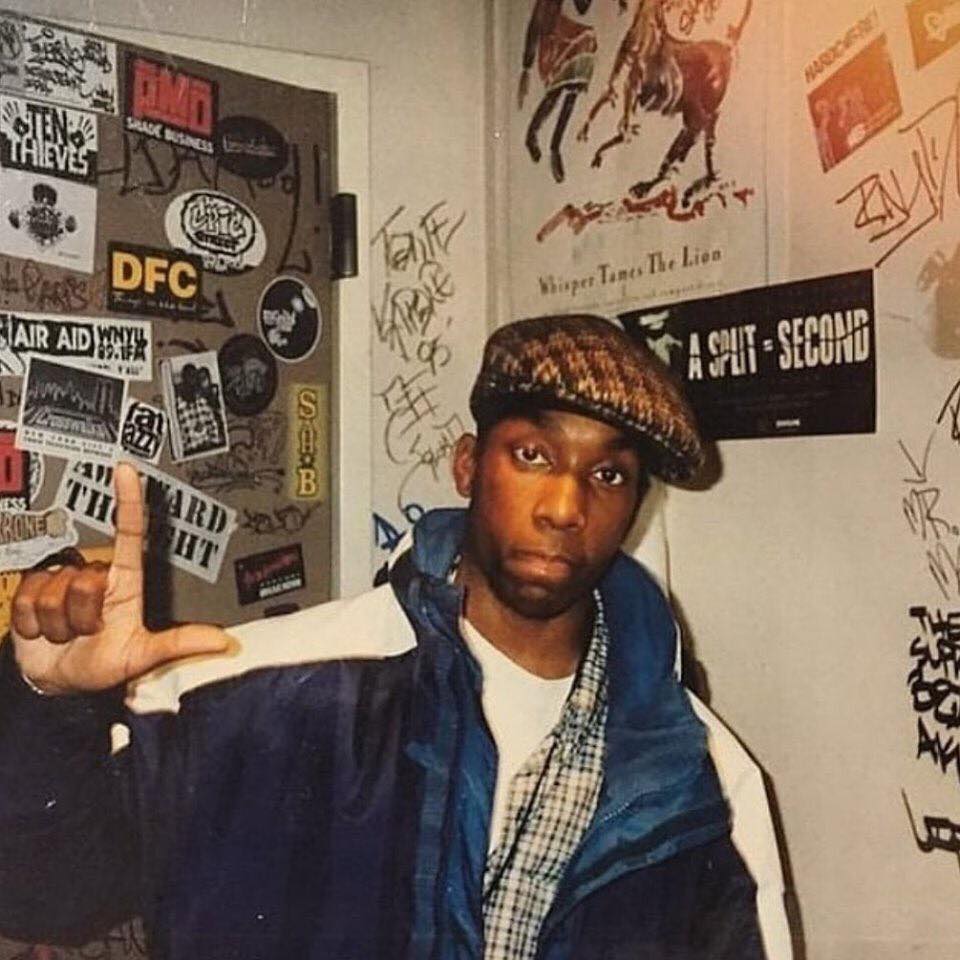
In the pantheon of hip-hop legends, few names resonate with the raw potential and lyrical prowess of Lamont Coleman, better known as Big L. Hailing from Harlem, New York, Big L’s meteoric rise and untimely death at just 24 left an indelible mark on the rap community—symbolizing both the heights of artistic brilliance and the depths of urban tragedy.
Early Life and Ascent
Born on May 30, 1974, in Harlem, Lamont Coleman was the youngest of three siblings. Immersed in New York City’s vibrant hip-hop culture, he began freestyling as a teenager, quickly gaining a reputation for his razor-sharp wit and intricate wordplay. Early on, he formed a group called Three the Hard Way, which didn’t last long—but his talent couldn’t be ignored.
Big L’s breakthrough came when he caught the attention of Bronx lyricist Lord Finesse. He made his professional debut on the remix of “Yes You May” in 1992, which led to his entry into the influential Diggin’ in the Crates Crew (D.I.T.C.). From there, his legend started to take shape.
Musical Milestones
In 1995, Big L released his debut album, Lifestylez ov da Poor & Dangerous, under Columbia Records. It was an underground success, celebrated for its hard-hitting lyricism, sinister humor, and dense rhyme schemes. Tracks like “Put It On,” “Street Struck,” and “M.V.P.” showcased his sharp delivery and uncanny storytelling ability.
He also helped form Children of the Corn, a Harlem rap group featuring himself, Cam’ron, Ma$e, Herb McGruff, and Bloodshed. The crew had promise, but tragedy struck when Bloodshed died in a car accident in 1997. The group disbanded soon after, but its members would go on to enjoy solo fame—especially Cam’ron and Ma$e.
Tragic Demise
On February 15, 1999, Big L was fatally shot nine times in the face and chest near his Harlem home on 139th Street. The murder shocked the hip-hop world. He was just 24 years old.
Gerard Woodley, a childhood friend of L’s, was arrested months later in connection with the killing but was released due to lack of evidence. Some reports suggest the shooting may have been retaliation for activities involving Big L’s older brother, who was incarcerated at the time. Woodley himself was killed in 2016, his own murder adding another chapter of sorrow to a story already filled with loss.
To this day, Big L’s murder remains unsolved.
Enduring Legacy
Though his life and career were cut short, Big L’s influence endures. In 2000, his posthumous album The Big Picture was released to critical acclaim, featuring appearances from Fat Joe, Kool G Rap, Big Daddy Kane, and a young Tupac. The album went gold and cemented Big L’s place as one of the most technically skilled MCs of all time.
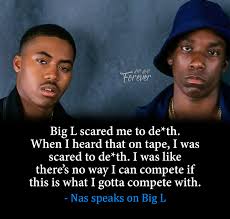
Peers have long sung his praises. Nas has called him one of the most dangerous lyricists in hip-hop. Jay-Z once said Big L was so good, he had to step up his own writing after freestyling with him. Eminem also counts L as one of his biggest inspirations.
Harlem honored its son with a street named after him—Lamont “Big L” Coleman Way—at the corner of 140th Street and Lenox Avenue. Murals and tributes still cover walls across the city, a visual testament to a life taken too soon but never forgotten.
Conclusion
Big L was more than just a rapper—he was a lyrical tactician, a Harlem poet, and a street-level philosopher. His music remains a time capsule of ‘90s New York hip-hop, raw and unfiltered. Though his career ended before he reached the mainstream stardom he deserved, his legacy continues to grow, inspiring generations of MCs who still study his bars line by line.