
There’s a tiny town in northern New South Wales that feels like someone shoved Woodstock into the Australian bush, gave it a mullet, and told it to never grow up. That town is Nimbin — and it remains the undisputed counterculture capital of Australia. A place where art is anarchic, the rules are optional, and cannabis is as much a part of the town’s identity as the lush rainforest that surrounds it.
The Moment Everything Changed
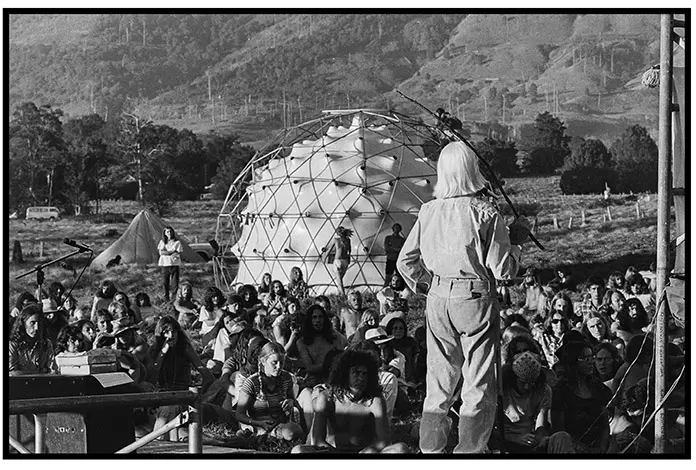
Before Nimbin became a psychedelic landmark, it was a quiet, struggling dairy town. That all changed in 1973 when the Aquarius Festival rolled into the valley. What was meant to be a ten-day celebration of alternative living, music, environmentalism, and radical thought turned into a cultural detonation.
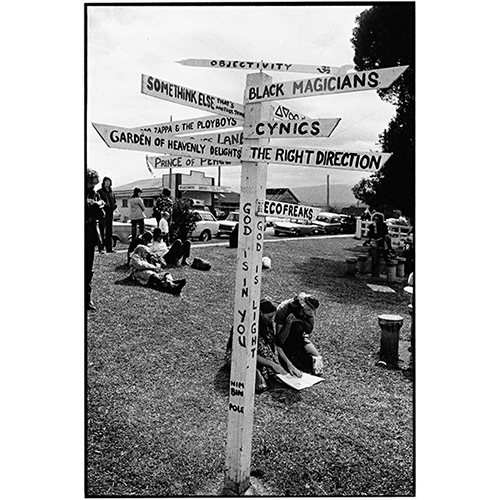
More than ten thousand people arrived — hippies, artists, activists, dreamers, and dropouts — many of whom never left. Communes formed. Sustainable living projects popped up. The town’s identity was permanently rewritten. Nimbin didn’t just host the counterculture — it became it.
The Aquarius Festival planted the seeds of everything that followed: environmental activism, communal living, rejection of mainstream consumer culture, and a deep distrust of authority. That spirit still hangs thick in the air more than fifty years later.
Cannabis as Culture, Not Crime
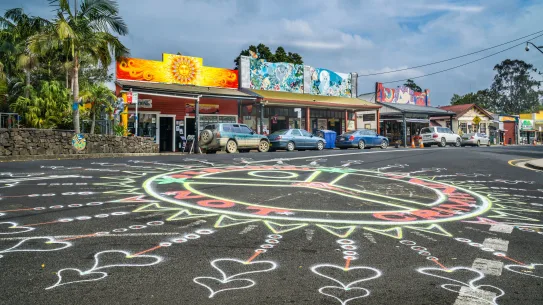
As the counterculture settled in, cannabis became woven into Nimbin’s social fabric. By the 1980s and 90s, the town had developed a reputation that echoed far beyond Australia’s borders: weed was everywhere.
Cannabis wasn’t hidden in backyards or traded in whispers. It was sold openly on the main street, passed around in parks, smoked on benches. For many visitors, their first lesson in Nimbin was simple — if you walk down the street long enough, someone will offer you weed.
Despite cannabis remaining illegal under New South Wales law for decades, enforcement in Nimbin has always felt… flexible. Police presence exists, but locals and visitors alike have long noted a blasé, selective, sometimes blind-eye approach to what goes on in town. Officers know who’s selling. They know who’s smoking. Most of the time, they just don’t make it a priority — unless pushed.
That unspoken truce is part of what cemented Nimbin’s legend.
MardiGrass: Protest in Party Form
If Nimbin has a heartbeat, it’s MardiGrass.
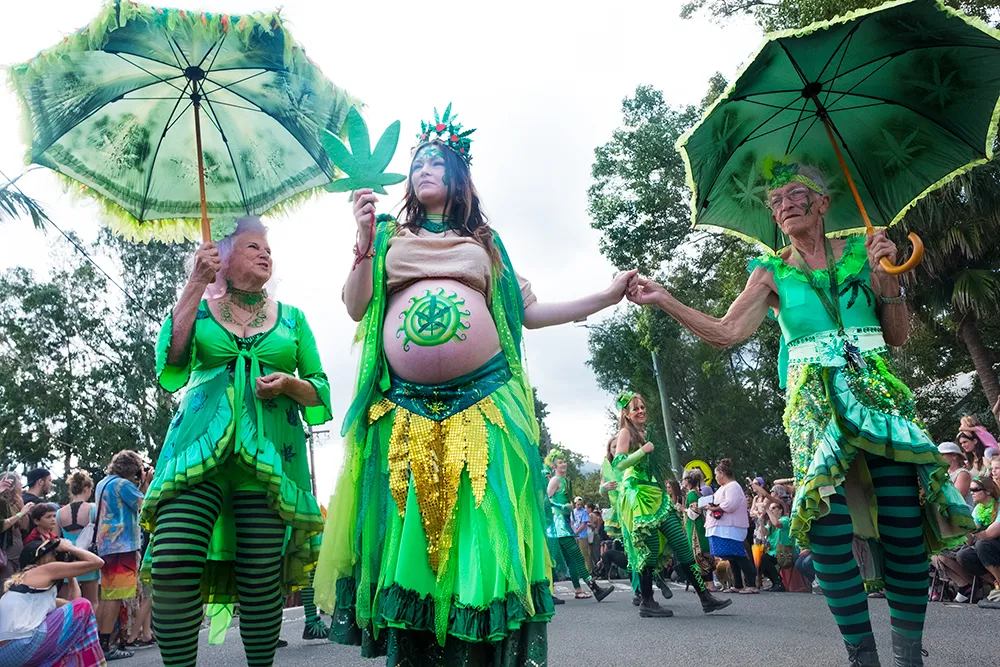
First held in 1993, MardiGrass was born out of frustration with prohibition, police harassment, and outdated drug laws. Instead of riots or rage, locals chose satire, colour, and celebration. The result was a cannabis protest disguised as a street festival — or depending on your perspective, a street festival disguised as a protest.
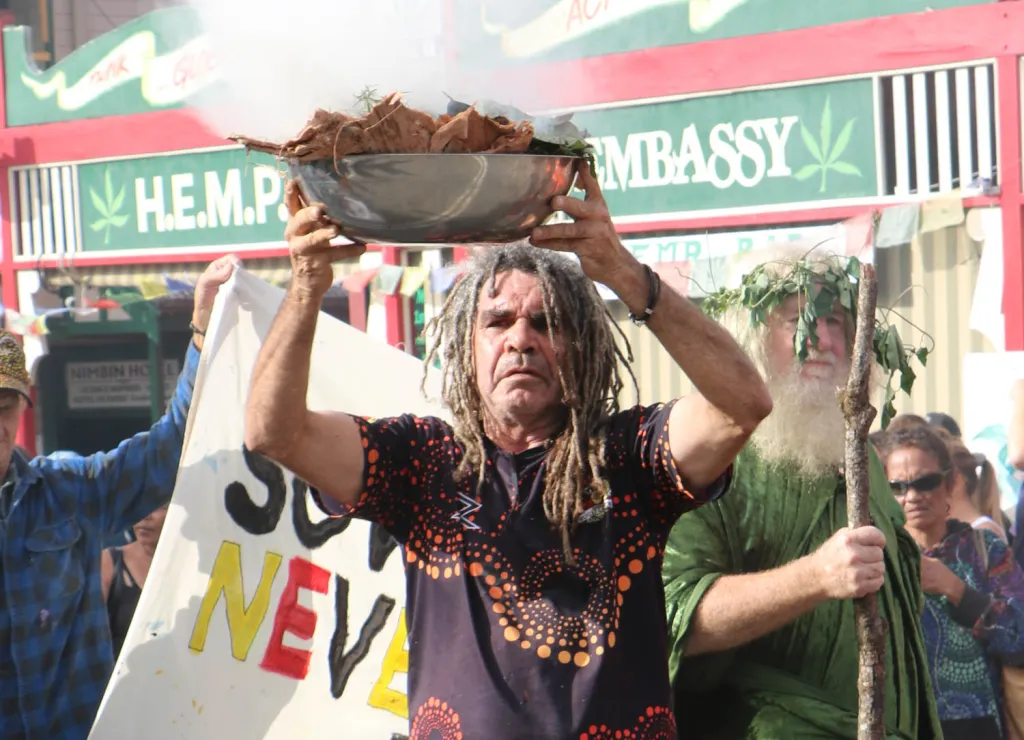
Every year, the town erupts into a three-day haze of live music, parades, political speeches, and outright absurdity. There are cannabis cups, grower competitions, and the legendary Hemp Olympix, where participants compete in events like joint rolling, bong throwing, and the “Grower’s Ironperson.”
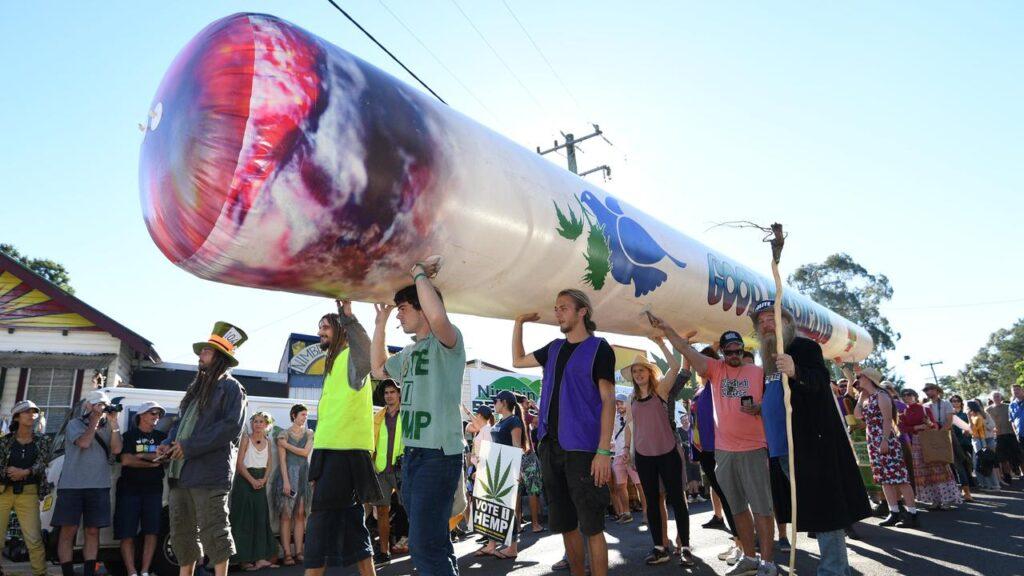
At the centre of it all is the protest march — led by a giant papier-mâché joint — moving from the police station to Peace Park, reminding authorities that this is still, at its core, a fight for law reform.
MardiGrass isn’t just a party. It’s a statement. A yearly refusal to shut up or behave.
From Hippie Marches to Ballot Boxes — The Legalise Cannabis Movement
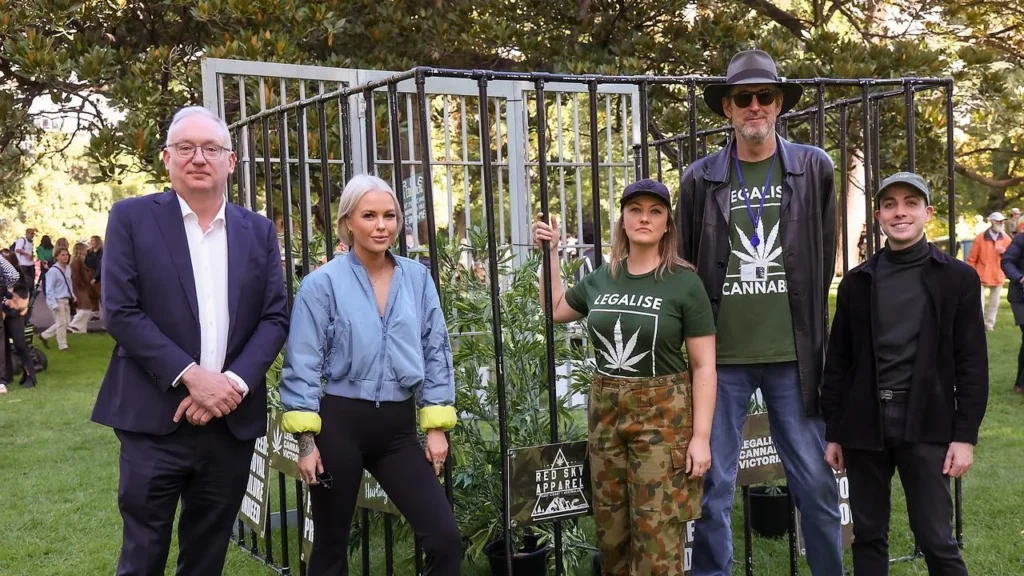
Nimbin isn’t just a festival town — it’s also the political nerve centre of Australia’s cannabis law reform movement. Out of its smoke-filled rooms and protest marches grew the Help End Marijuana Prohibition (HEMP) Party in 1993, founded by local activists who were tired of watching lives ruined over a plant.
Born in Nimbin and forged in MardiGrass politics, the party later evolved into Legalise Cannabis Australia, shifting the fight from the streets to the ballot box. Its longtime leader and Nimbin local Michael Balderstone has always spoken plainly about the movement’s roots and contradictions. As he once put it:
“Not many people want to wave their arm around and say, ‘Yeah! I smoke weed!’ Whereas old hippies like me from Nimbin — it’s expected.”
That blunt honesty defines the movement. What started as radical protest has grown into real political representation, with Legalise Cannabis candidates now elected in multiple states. The party’s platform is simple: regulate cannabis like alcohol, legalise home growing, free non-violent cannabis prisoners, and unlock hemp as a sustainable agricultural industry.
In true Nimbin fashion, it’s serious politics delivered with a wink and a smirk.
The Darker Side of the Dream
For all its colour and freedom, Nimbin has never been immune to problems — and in 2025, those cracks are harder to ignore.
While cannabis dominates the town’s image, harder drugs have taken their toll. Methamphetamine and heroin have left scars, contributing to homelessness, mental health struggles, and petty crime. What once felt like radical freedom sometimes drifts into chaos.
The police tolerance that once protected the town’s vibe can also enable its worst habits. While cannabis is often overlooked, enforcement ramps up hard during festivals and on roads leading in and out of town. Drug dogs, roadside testing, and heavy policing remind visitors that the law still exists — even if it feels optional once you’re inside the bubble.
Some longtime locals argue that Nimbin’s magic has been diluted. What was once a genuine alternative society now sometimes feels like a performative counterculture — more souvenir shop than revolution.
Nimbin in 2026
Today, Nimbin exists in a strange limbo.
It’s still a pilgrimage site for cannabis activists, hippies, and curious tourists. MardiGrass continues to pull thousands. The murals still scream rebellion. The weed still flows.
But the town also struggles with aging infrastructure, economic pressure, addiction, and the tension between being a living community and a cultural theme park.
And yet — despite all of it — Nimbin survives.
Because places like this aren’t meant to be perfect. They’re meant to challenge the norm.
Why Nimbin Still Matters
It’s easy to dismiss Nimbin as a burnt-out hippie town frozen in the past. But doing so misses the point entirely.
Nimbin is one of the last places in Australia that openly defies conformity. It’s proof that counterculture isn’t just a phase or a costume — it’s a mindset. Messy, flawed, sometimes uncomfortable, but necessary.

In a country obsessed with rules, order, and appearances, Nimbin remains proudly unpolished. A reminder that rebellion doesn’t always win — but it never disappears.
Love it or hate it, Nimbin is still standing.
And that alone makes it one of the most important towns in Australia.