
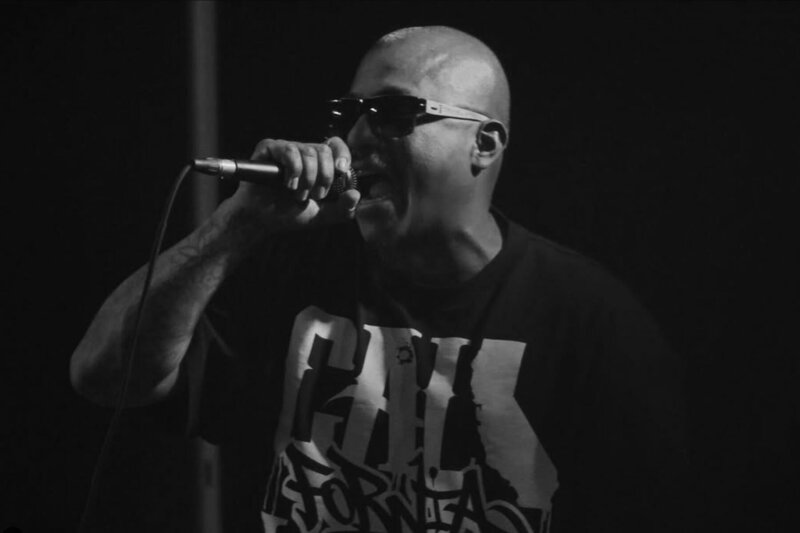
Before algorithms decided who mattered and before viral moments replaced earned reputations, hip-hop was built face to face. Passed hand to hand. Learned in bedrooms, back seats, garages, and neighborhood studios. It was regional, personal, and unmistakably real. You knew where an artist was from the moment the record dropped — not because they told you, but because the sound carried it.
Mr. Shadow comes from that era. A time when names were earned, not branded, and longevity meant surviving both the streets and the industry. Nearly three decades deep, his catalogue reflects a life lived close to the edge — loyalty over blood, experience over image, and authenticity over approval. As a cornerstone of West Coast and Chicano rap, Shadow didn’t chase trends or wait for permission. He documented his world as it was and let the culture catch up.
While the industry shifted from CDs to streams and attention spans shrank, his approach stayed the same: speak plainly, stay grounded, and never detach the music from the man. The name “Mr. Shadow” now carries legacy — not because it was marketed that way, but because time made it undeniable.
Frank151 sat down with Mr. Shadow to talk origins, evolution, West Coast lineage, faith, and why bringing hip-hop back to its roots isn’t nostalgia — it’s necessary.
Frank 151: You came up in a time when the streets raised more MCs than the internet ever could. What was your first real introduction to hip-hop culture, and when did you realize it was your calling?
Mr. Shadow:
I grew up raised by MCs. My first introduction to Hip Hop was around six years old, watching TV and listening to my siblings play it throughout the house. I loved Hip Hop and was a fan. It became more serious when I hit my early teens. By then, I knew and could name off every major MC and their catalogue of songs.
Frank151: The name Mr. Shadow carries weight — there’s mystery, danger, and legacy in it. What does the name represent to you now compared to when you first started?
Mr. Shadow:
The name is seen as a branded franchise today. Before music and success, Shadow was a neighborhood name my homeboys gave me. It was a nickname because, at the time, my skin was darker than everyone around me. We gave each other nicknames based on what you look like, resemblance, or whatever stood out the most.
As I excelled in my career, it became a recognizable name. My close friends and family call me by my real name, but my artist name is legacy. It’s something I built from the ground up — a name I own and will always be remembered by.
“The name Mr. Shadow is legacy — it’s something I built from the ground up.”
Frank 151: Your lyrics often reflect life on the edge — survival, loyalty, and code. How much of that comes from personal experience versus storytelling?
Mr. Shadow:
All the things I share in my songs reflect what I’ve been through. Loyalty is a big part of my life. I was taught at a young age that blood does not mean family — loyalty does. I live by this and take loyalty very seriously.
Frank 151: West Coast rap has evolved through generations, but it’s always had that same DNA — pride, rhythm, and rawness. How do you see your place in that lineage?
Mr. Shadow:
I’ve been a part of Hip Hop and West Coast rap for nearly three decades. My songs are authentic and centered around who I am, what I want to do, what I’ve been through, and real-life experiences many can relate to. I see myself as someone who contributed to West Coast culture and expanded its roots into the Chicano community.

“I’m done with the noise. I want to bring back the sound we originally fell in love with.”
Frank 151: There’s a balance between respecting the old school and pushing forward. How do you keep your sound authentic without getting stuck in nostalgia?
Mr. Shadow:
It’s always been important to me to keep my sound authentic and true to who I am. As an artist — or in any profession — you have to evolve. You can’t get stuck in old ways of doing things. We have to make music for the new generation to catch on and love.
Frank 151: You’ve collaborated with a lot of heavyweights. What makes a collaboration real — not just a feature, but a genuine connection on wax?
Mr. Shadow:
A lot of features happened because artists genuinely loved my vibe and style. Kurupt and Roscoe blessed me with many features. When they first heard my music in the studio, I remember them walking into the session, asking my producer who I was, then hopping straight into the booth just out of love.
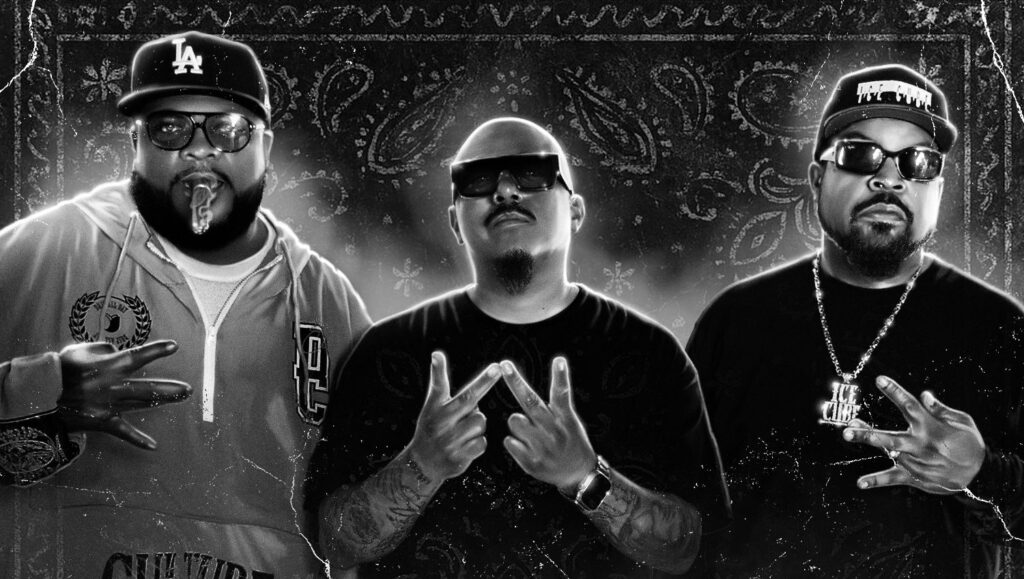
Another special moment was working with my longtime friend of over 20 years, Kokane — a pioneer of G-funk R&B. In 2025, we teamed up with Ice Cube on Certified G’z. The idea was to unify San Diego and Los Angeles, the Black and Brown communities, and show what we can do together. Most artists I’ve worked with became real friends — people who genuinely respect my music.
Frank 151: Hip-hop’s global now, but some say it’s lost its soul. What does real hip-hop mean to you in 2025?
Mr. Shadow:
It all goes back to authenticity. Today, a lot of hip-hop sounds the same. Back then, you could tell where an artist was from just by their sound, style, and character — influenced by their hood. The ones who stay real stand out.
That’s why I titled my latest album I’m Done! Bring It Back! I’m done with the noise and the copycat sounds. I want to bring back the authentic West Coast sound we fell in love with. No matter where you’re from, stay true to who you are. Don’t let the industry fool you.
Frank 151: You’ve seen it all — CDs, street tapes, streaming, TikTok. What’s changed the most, and what’s stayed the same?
Mr. Shadow:
The way artists get paid has changed completely. Streaming pays pennies on the dollar. Before, selling CDs meant getting paid right there on the spot. What hasn’t changed are timeless records. Fans still ask me for physical copies of my albums — and I still give them out.
Frank 151: When people talk legacy, they think numbers and fame. What does legacy mean to you personally?
Mr. Shadow:
Legacy is hard work, struggle, and everything that comes with this industry. It’s about evolving as an artist and representing the good of West Coast music. Lately, I’ve also been rooted in my faith. I hope to bring people closer to God through my journey and my work.
Frank 151: If a kid from your block asked you how to make it, what’s the one thing you’d tell them that no one told you?
Mr. Shadow:
Honestly, I’d tell them to find a different career. But if they’re stubborn and consistent like I was, I’d tell them to keep all their masters under one umbrella, write their own material, and stay humble above everything.