
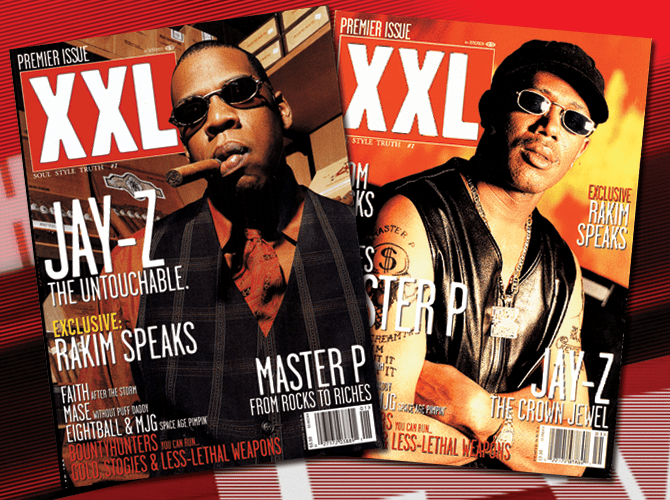
 From Hip-Hop’s Bible to a Brand Lost in the Algorithm
There was a time when XXL mattered more than your Spotify algorithm.
Before rap blogs, before TikTok A&Rs, before everyone had a podcast and a “platform,” XXL Magazine was gospel. It didn’t just cover hip-hop — it validated it. A nod from XXL could make a career. A cover could canonize you. A bad review? That shit lingered.
So how did the magazine that once shaped hip-hop culture end up feeling like a ghost of its former self?
This is the story of how XXL fell off — not because hip-hop left it behind, but because it stopped understanding what made hip-hop powerful in the first place.
When XXL Meant Something
Launched in 1997, XXL arrived at a perfect moment. The Source was still king, but cracks were forming. XXL came in cleaner, sharper, more aggressive — less politics, more streets.
It was where:
-
Writers actually broke artists
-
Photo shoots felt cinematic
-
Opinions mattered
-
Editors stood on business
Jay-Z, Nas, Biggie, 50, Eminem — XXL helped define their eras. The magazine documented hip-hop as history, not just content.
And then there was the Freshman List.
 At its best, the list was prophecy. Kendrick. J. Cole. Meek Mill. Big Sean. Mac Miller. It wasn’t perfect, but it sparked debate, excitement, culture — everything hip-hop lives on.
For a while, XXL wasn’t chasing relevance. It was relevance.
Corporate Culture Kills Everything
The decline didn’t happen overnight. It happened when XXL stopped being run by hip-hop people and started being managed like a brand asset.
Ownership changes. Budget cuts. Staff turnovers. Algorithm anxiety.
Suddenly:
-
Writers were underpaid or freelance-only
-
Long-form journalism disappeared
-
Editorial voice softened
-
Risk vanished
Real hip-hop journalism takes time, trust, and tension. Corporations hate all three.
What replaced it was safe, optimized, SEO-friendly content — articles designed to be clicked, not remembered.
Hip-hop didn’t need another blog. It already had thousands.
The Freshman List Became a Meme
The moment XXL lost cultural authority is the moment people stopped taking the Freshman List seriously.
What was once a snapshot of the future started feeling like:
-
Label politics
-
Algorithm picks
-
Social media metrics over talent
When artists start declining the list publicly, you know the mystique is gone.
It wasn’t about being wrong — hip-hop has always argued. It was about being irrelevant.
The list became content instead of conversation.
You Can’t Compete With the Internet — And You Don’t Have To
The biggest mistake XXL made was trying to beat the internet at being the internet.
Hip-hop media doesn’t win by:
-
Posting faster
-
Chasing trends
-
Replicating tweets
It wins by context, credibility, and courage.
XXL once told stories nobody else had access to. Then it started reporting like everyone else — except slower and with less edge.
The internet didn’t kill XXL.
XXL forgot why it existed.
Hip-Hop Moved — XXL Stayed Polite
Hip-hop is uncomfortable. It’s political. It’s confrontational. It’s messy.
As rap evolved into a global billion-dollar industry, XXL became safer. Less critical. Less curious. Less willing to offend advertisers, labels, or platforms.
Meanwhile:
-
Independent creators built trust directly with artists
-
Podcasts replaced interviews
-
YouTube replaced photo essays
-
Twitter replaced editorial debates
Culture decentralized. XXL didn’t adapt — it diluted.
Legacy Is Not Relevance
To be clear: XXL didn’t “die.” It still exists. It still publishes. It still gets traffic.
But culture doesn’t care about traffic.
Hip-hop remembers impact.
And when people talk about the greatest moments in rap journalism, they talk about old XXL — not current XXL.
That’s the real fall off.
The Lesson
XXL is a cautionary tale for every legacy media brand:
You can’t out-algorithm culture.
You can’t corporatize authenticity.
You can’t preserve relevance by playing it safe.
Hip-hop doesn’t respect brands — it respects conviction.
And once that’s gone, no amount of clicks can bring it back.
Frank 151