
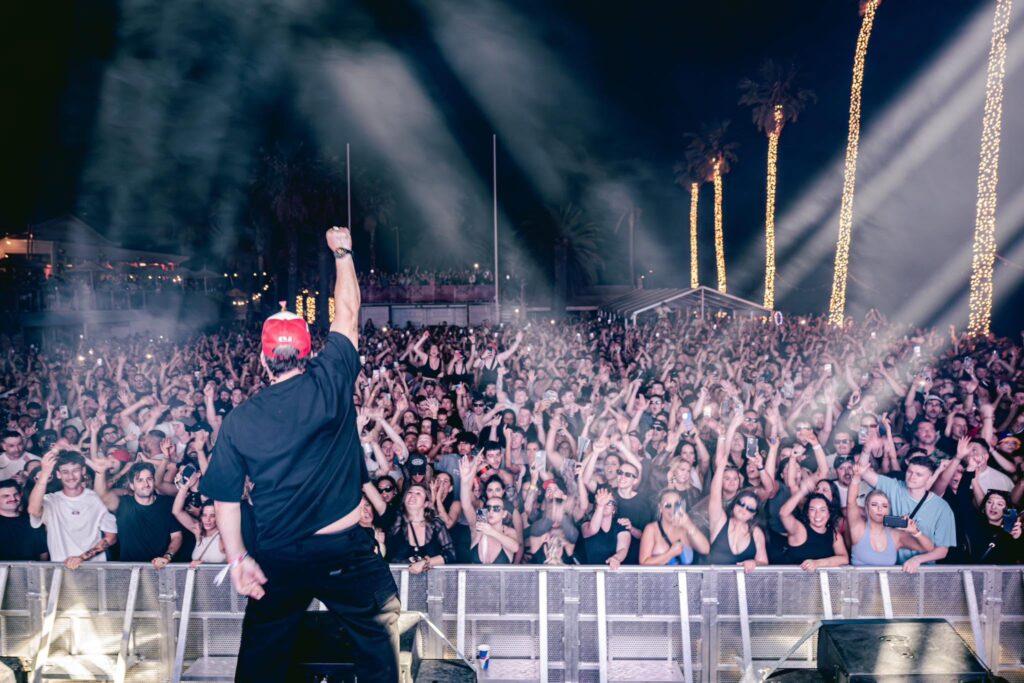
In this series, Frank 151 invites you on a captivating journey around the globe, providing a unique glimpse into the narratives and imaginative landscapes of individuals who are driving creativity to new heights worldwide.
Embark on a visual and intellectual adventure as we delve into the worlds of not only photographers and actors but also delve into the realms of rappers, musicians, graffiti artists, filmmakers, and the visionary minds behind emerging brands. Our creative chronicles are set to unfold, offering a rich tapestry of insights, anecdotes, and life wisdom that traverse the vibrant streets to the dynamic boardrooms, from the vast oceans to the majestic mountains.
Join us as we connect with the crème de la crème of the creative realm, bringing forth a diverse spectrum of perspectives that highlight the intersection of artistry, innovation, and entrepreneurship. From the pulse of urban streets to the serene landscapes, this series promises to capture the essence of the global creative scene, providing an immersive experience that transcends boundaries and celebrates the multifaceted expressions of human ingenuity.
Danny Grant came up through the kind of Melbourne nightlife that doesn’t really exist anymore — basement doors, hard tickets, sweaty rooms, local DJs making sounds that hadn’t been named yet, and a culture built by misfits before algorithms got involved. From running parties and building venues to launching Wet Pussy and documenting the entire scene through Danny Rants, Grant has lived through the madness, the money, the burnout, and the business end of Australian club culture. Frank 151 caught up with him to talk Melbourne Sound, back rooms, public controversy, building brands out of chaos, and why the nightclub might be heading the same way as the old cinema.
Frank 151: Before the alcohol brands and podcasts, who was Danny Grant in the early Melbourne nightclub era, and how did you first get pulled into that world?
Danny Grant: If I’m honest, green Mitsis probably got me into this industry. I popped one at Room and was like, “This is fucking amazing. How do I spend more time doing this and less time working?”
From that moment on, I explored our city’s nightlife like a kid in a forest — every alleyway, backstreet, and basement. Along the way, I collected misfits who would eventually play for me or work for me over the next two decades.
My first real introduction was running a party at Circus. A mate of mine I had played footy with had run an event, and I watched how he made money off it. I replicated it myself to prove I could do it and hopefully create some opportunity.
I booked a bunch of DJs I liked, got hard tickets printed for $25, and had everyone I knew — plus everyone they knew — selling tickets for it. We did around 300 covers, and I remember making $2,500 after all expenses were covered. I thought I was a millionaire. From that moment on, I knew this was how I was going to earn a living.
Frank 151: You’ve lived through warehouse parties, the Melbourne Sound era, VIP bottle-service culture, and now the social media nightclub era. Which period do you think was the golden age of clubbing in Melbourne, and why?
Danny Grant: It’s a super hard question to answer. The bottle-service era, I can easily say, sucked. It became about “look at me” rather than traditional clubbing.
I didn’t live through the ’90s, the true warehouse era, but I look back at it the same way people probably look back at my era. I think that’s something most dance heads do — everyone thinks their era was amazing. But ours really was.
The reason Melbourne Sound was in basements originally wasn’t for any romantic reason. The real reason was that those were the clubs that would take it — the ones that were run-down or weren’t busy. We took those places from failing businesses to institutions.
Most of the venues that have now become synonymous with that sound didn’t care about bar takes, because other nefarious activity was going on. But what it created was something special. Every weekend was unpredictable in a good way. We were creating something that had never been done before — our sound, in our places.
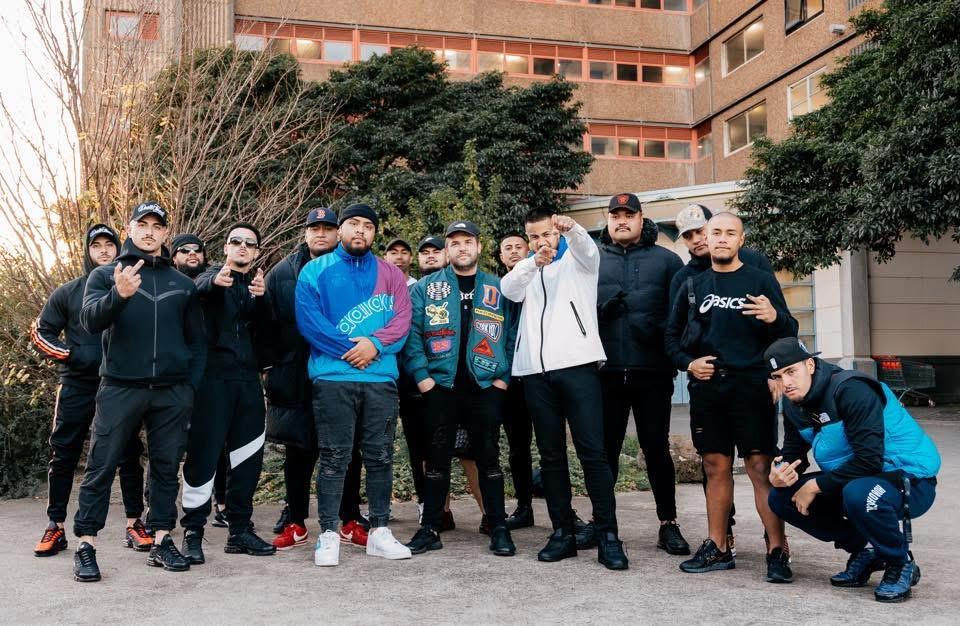
You’d roll up to some seedy alley, walk through a little unmarked door, and hear local DJs playing a sound they had created in their garage that week for 400 sweaty humans who were literally yelling, screaming, punching the walls, and stomping the floors like they were watching a FIFA World Cup final.
It was electric
.
Frank 151: A lot of people say nightlife in 2026 isn’t what it used to be — higher costs, stricter regulations, shorter attention spans, less mystery. Do you think club culture is dying, evolving, or just changing generations?
Danny Grant: I honestly think it’s dying. In 10 years’ time, we might have a few clubs left so people can visit them like an old cinema.
But club culture is dead. Clubs were clubs — places for people to meet up and enjoy something together, no different from a sporting club or a fishing club. People would meet their wife there, their best friends there, have their first fight there, or have their first pinger there. It was a place that shaped identity.
These days, clubs are too regulated, too watched over, and too polished to stand for what they used to. With online communities, people don’t have the same need to do it that way anymore.
Because of that, even though clubs are still fun, they don’t play the same role in society that they used to. Dance music and trends are created through online social media apps now. Before that, they were created in basements and warehouses. Now they’re replications of the real thing. It’s still cool what people are doing, but as life has evolved, that need for real-life community has fallen over.
“You’d roll up to some seedy alley, walk through a little unmarked door, and hear local DJs playing a sound they had created in their garage that week for 400 sweaty humans.”
Frank 151: You’ve spoken openly about the chaos, violence, politics, and burnout that came with the nightclub industry. Was there ever a moment where you genuinely thought, “I need to get out before this destroys me”?
Danny Grant: Yeah, many times.
I thought about leaving at different parts of my career. I wanted normal, but once I had it, I would crave the chaos again.
I became desensitised to everything. Towards the end of my career, I would watch ODs while having a beer like it was a TV show, just to kill time.
There was one incident where a fight was about to break out, and I told the guards to leave it for a bit. The head guard had a chat with me afterwards and said I probably needed some time off, because I had become so used to the extreme that I was watching it for fun. By default, I was creating unsafe spaces.
That was around the time I decided to leave the space and move into the booze game.
Frank 151: Running clubs means dealing with everyone from celebrities and athletes to bikies, promoters, and security. What’s the craziest lesson the nightlife industry taught you about human nature?
Danny Grant: The bad people aren’t always bad, and the good people aren’t always good.
I’ve seen celebrities people love and adore be the rudest pieces of shit in the world. Then I’ve seen artists, like the big drill dudes in Australia who are supposed to be evil, be some of the nicest people I’ve ever dealt with.
I’ve dealt with fuckhead cops and good cops. I’ve dealt with fuckhead gangsters and awesome ones. There’s no exception to the rule. Everything is grey.
I love people. I find them so interesting. Working in that space shows you just how interesting people can be, and it teaches you to never judge a book by its cover.
Frank 151: You’ve interviewed so many nightlife figures on Danny Rants — club owners, DJs, security bosses, and promoters. What’s one story someone told you that genuinely shocked even you?
Danny Grant: It’s very hard to shock me. I’ve had so many post-show conversations that would blow people’s minds.
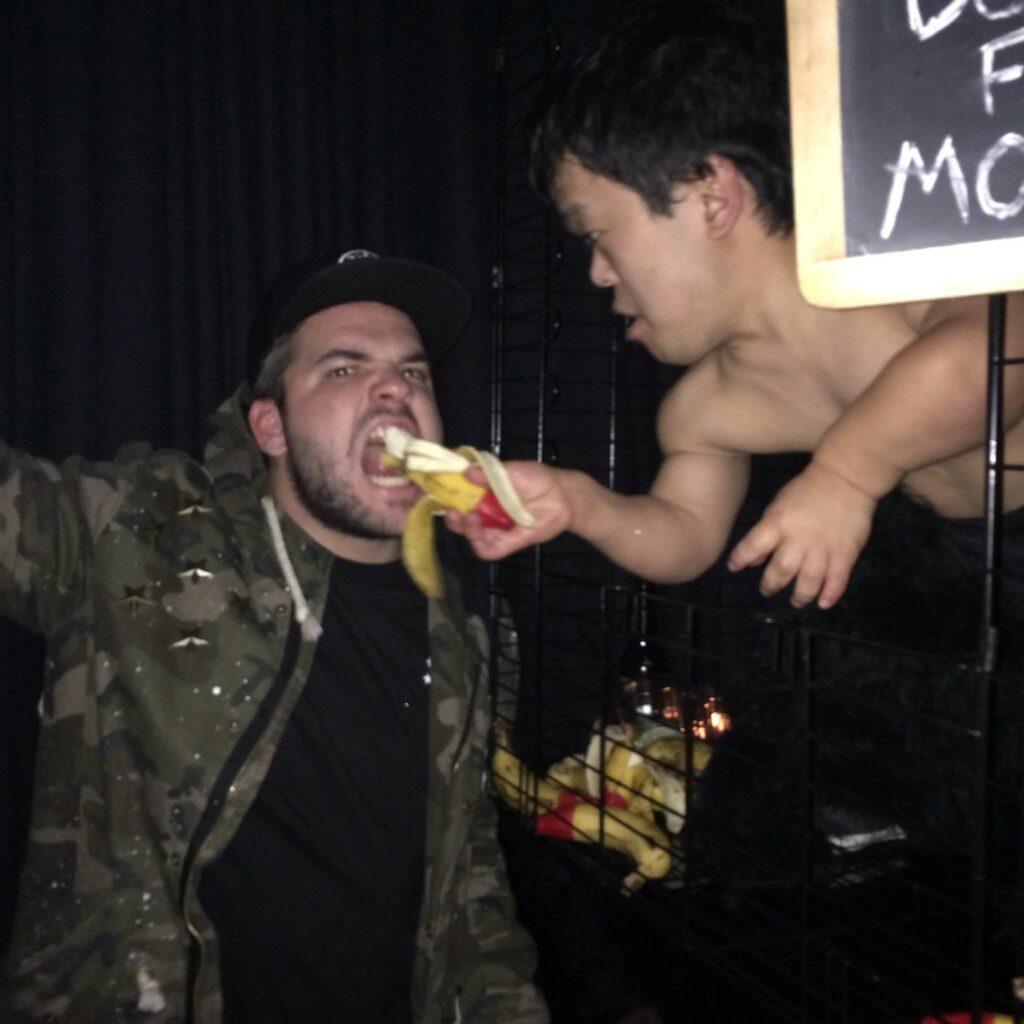
It’s hard to mention some of them without getting people into trouble. But there are stories about people being locked up abroad, chased out of South America, and one friend who literally stole someone else’s nightclub. He broke the locks and the tills and ran it like it was his.
Lots of the other stories involve metal objects that shoot metal being in clubs, or being pulled on everyone from security guards to famous rappers.
It’s a wild industry. You never know what’s going to happen next.
“Club culture is dead. Clubs used to be places that shaped identity — people met their wives there, their best friends there, had their first fight there, or their first pinger there.”
Frank 151: The Wet Pussy trademark story almost feels like a nightclub hustle turning into corporate warfare. When did you realise you weren’t just a promoter anymore — you were building a real business empire?
Danny Grant: Quickly.
That thing blew up so fast. I already had the tools. I was a good business guy, and I had been running businesses for 18 years, so I knew what to do.
There’s an old saying about preparation and opportunity. Wet Pussy was that for me. I needed to fail, stumble, and learn to make this company what it is.
It’s changed my life. It’s an absolute monster. But I needed every day of my life before that for it to be possible.
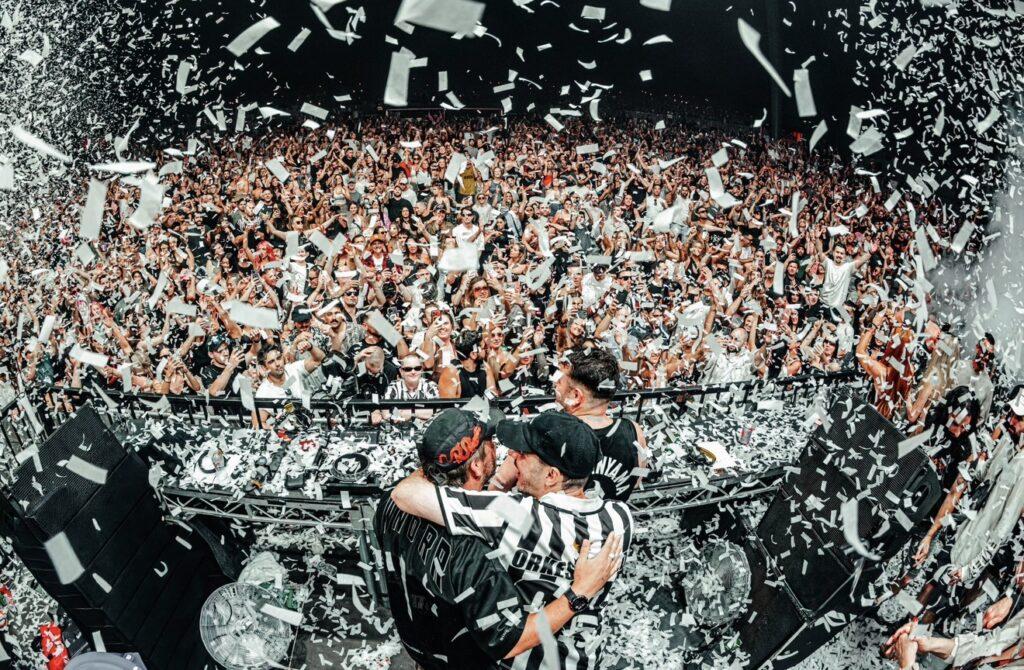
Frank 151: You’ve built brands off nightlife culture, but nightlife itself can be incredibly self-destructive. How hard was it to separate partying from actually becoming a disciplined entrepreneur?
Danny Grant: I was pretty good even when I was partying — I was just more erratic.
I decided to quit drugs in my early 30s. I never had a problem, but I could feel it was holding me back. It would take days to recover, and I was wasting time in back rooms telling randoms about my childhood traumas.
I got sick of staring at walls and listening to waterfall sounds, so I started to slow down and eventually quit.
I’ve always been lucky in the sense that I didn’t get tangled up in temptation. I’ve been with my partner for 20 years, I don’t do drugs now, and I never got messed up in the gang side of things, where I saw others not be so lucky.
When I quit drugs, because they no longer served me, that’s when I really saw the change in my career. It was like having a superpower — waking up balanced and clear while others weren’t. I think that was a turning point for me professionally in that industry.
Frank 151: A lot of younger people glamorise the nightclub industry through social media clips and podcasts. What parts of the business do people never see behind the velvet rope?
Danny Grant: Back rooms.
Every venue has secret rooms for people to do anything from chilling out to sniffing lines or even fucking. It’s part of the culture. But if you’re caught filming in there, you’ll never see one again.
Frank 151: You’ve had recent public controversies and criticism online. How difficult is it navigating public opinion when your whole career has been built around being outspoken and unfiltered?
Danny Grant: To be honest, I only care if I’m hungover.
When I’m good, it’s normally water off a duck’s back, because I have an objective with what I’m doing. I want to empower my business, and I want to create sick fucking memories for people.
So people can say or do what they want. But when you’re tired, hungover, and not feeling the best, it can definitely get to you.
I’m lucky I don’t get it too much. Normally, I just try to sleep it off, then I go back to my bulletproof self.
Frank 151: Do you think modern audiences are too quick to cancel people in nightlife and entertainment now, or do you think the industry needed more accountability?
Danny Grant: That’s a really good question.
To be honest, there are some putrid humans in the music industry. I find people have different motivators, and one of those motivators is being a deviant. Those people can get fucked and should be called out.
Clubs, and the industry as a whole, should be safe places. Raves started out as a place for misfits to let their hair down. Having people come in and try to take advantage of women or men while they’re doing that is as low as it gets.
You also get greedy dudes who come in to fuck over young people in the music industry with massive contracts, knowing they are young and green and that it might make them money. I hate that shit.
I’m in it for the music. Always was and always will be.
So yeah, I think it’s justified when people get caught out. It’s not hard to be a good person. I’ve been doing it for 20 years and have had no dramas or controversies, so anyone who has one probably had it coming, I reckon.
Frank 151: Danny Rants has become almost like an audio archive of Australian nightlife history. Was the podcast always meant to become a serious media platform, or did it begin as just mates telling wild stories?
Danny Grant: Yeah, it was always meant to be that.
As a kid, when I first got into nightlife, I was so hungry for the history and to learn about it. I couldn’t find anything except an old DVD from the Tasty raids back in the ’90s — one of the most pivotal parts of our club culture, mind you.
So when I retired from the industry to move into my booze company, I was like, “Fuck it, this is how I’m going to give back.”
I’m going to build an archive of Australian dance and club culture for the next generation to use as a way to learn about why and how we got here.
It’s one of the best stories ever told, and I hope it lives on and motivates others to live the crazy life we have by listening to them.
Frank 151: When people look back at Danny Grant in 20 years, what do you actually want the legacy to be — nightclub king, controversial figure, businessman, media personality, or someone who documented an entire era of Australian nightlife?
Danny Grant: Just a dude who had a crack.
I come from nothing. Literally. My mum died from a drug overdose, and I was shipped from house to house, school to school, never really having a home.
I decided to change that by just having a crack at life, and so far it’s worked out amazing.
I don’t have some audacious legacy goal. I just want to have fun and be surrounded by people I love. If that, by default, has an impact on the world, then that’s rad, but it’s not my objective.
If my missus and kids are proud to call me their husband and dad, that’s all I need, man.