
In this series, Frank 151 invites you on a captivating journey around the globe, providing a unique glimpse into the narratives and imaginative landscapes of individuals who are driving creativity to new heights worldwide.
Embark on a visual and intellectual adventure as we delve into the worlds of not only photographers and actors but also delve into the realms of rappers, musicians, graffiti artists, filmmakers, and the visionary minds behind emerging brands. Our creative chronicles are set to unfold, offering a rich tapestry of insights, anecdotes, and life wisdom that traverse the vibrant streets to the dynamic boardrooms, from the vast oceans to the majestic mountains.
Join us as we connect with the crème de la crème of the creative realm, bringing forth a diverse spectrum of perspectives that highlight the intersection of artistry, innovation, and entrepreneurship. From the pulse of urban streets to the serene landscapes, this series promises to capture the essence of the global creative scene, providing an immersive experience that transcends boundaries and celebrates the multifaceted expressions of human ingenuity.
Out4Fame. ACCLAIM. Carbon. Complex Australia. Nearly thirty years of putting Australian street culture on paper before anyone was asking for it.
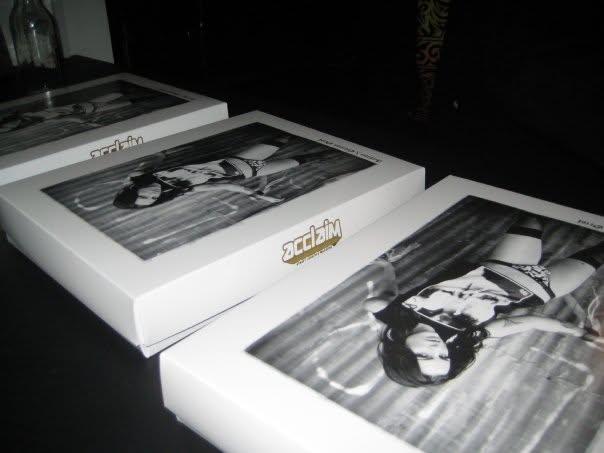
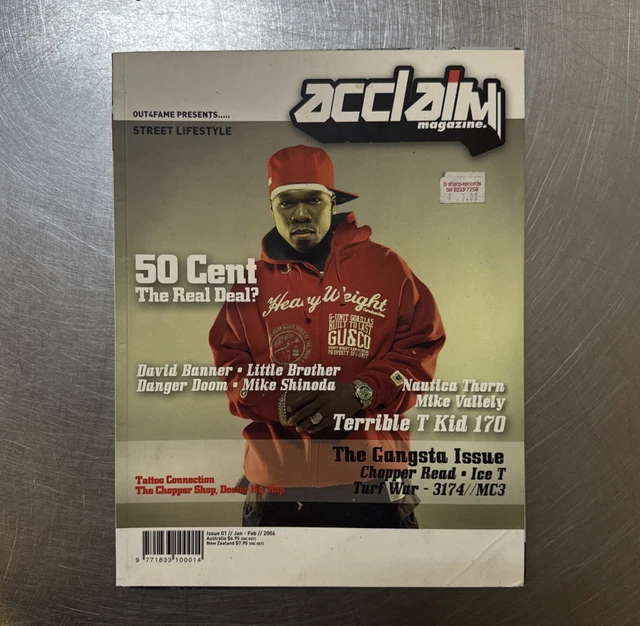
Andrew Montell came home from New York at the start of ’99 with a head full of Rawkus records and a plan nobody in Melbourne wanted to hear. Out4Fame was a hip-hop and graffiti mag for a country that barely had a hip-hop scene to write about, and marketing departments let him know it. He kept going anyway. He ran the Battle For Supremacy MC battles, went broke more than once, then flipped the whole thing in 2006 into ACCLAIM: a magazine that figured rap, streetwear, skate, graf and gallery art were one conversation, not five. Then came Carbon, the festival that flew Futura and Shawn Stussy into a lecture hall in Melbourne so the kids in the room could see what the other side of the world looked like. Then Complex Australia.
He’s been called a sellout by purists and a lunatic by advertisers, usually in the same year. He’s still standing. We got him on the line, now living on the other side of the planet, to talk about being too early, keeping your staff young, and why passion is the only thing that gets you through the broke years.

FRANK 151: You started Out4Fame when Australian hip-hop and street culture had basically zero mainstream presence. Two-plus decades on, what did those early years teach you about documenting a culture before the rest of the world clocks it?
ANDREW MONTELL: I had been in NYC for four months from the end of 1998 into early 1999 before I launched the first Out4Fame mag. I came back to Aus extremely motivated by the entrepreneurial spirit I encountered in New York as well as the momentum behind hip-hop music that I had witnessed. I had a (possibly misguided) confidence that the same momentum would make its way to Australia and that hip-hop would grow in popularity. At the same time, I realised that without infrastructure, including media platforms dedicated to the coverage of hip-hop, the scene would always struggle to grow in a small market like Australia. So for me, Out4Fame was my contribution to helping the scene grow in Australia and New Zealand.
What I learnt quickly was that you can have all the passion and belief in the world, but unless you can achieve revenue to sustain your business it is going to struggle. Being early in the conversation is all well and good, but being too early makes it challenging to monetise that pioneering position. I think we were a few years too early. We struggled to get anyone outside of a few record labels with hip-hop release budgets to advertise with us, and we even faced outward ridicule from marketing managers at certain brands who turned their noses up at hip-hop culture. Ultimately the Out4Fame experience taught me resilience, something I consider one of my greatest traits to this day. It also taught me the importance of timing.
FRANK 151: ACCLAIM never read like a traditional magazine. Hip-hop, streetwear, graffiti, skateboarding, design, contemporary art, all treated as one thing instead of separate scenes. Was that the plan from day one or did it grow into that?
MONTELL: Yes, that was always the vision. After several years of talking about hip-hop culture exclusively at Out4Fame, I wanted to broaden my editorial horizons with ACCLAIM. I was heavily influenced by cross-cultural magazines from the US like Mass Appeal and the original Complex print magazine. When it launched, the guiding principle was to create content for young men raised on hip-hop music, recognising how they view the world and the kind of things that would be of interest to them beyond just the music they listened to. Interestingly, in the last cycle of ACCLAIM’s digital life we went back to focusing on hip-hop music almost exclusively.
FRANK 151: You’ve talked about nearly going bankrupt a few times building this. Most publishers now chase the algorithm. What kept you building something with long-term cultural weight instead of taking the safer money?
MONTELL: I’ve always been committed to maintaining my personal integrity in whatever I do. I’ve copped my fair share of criticism for commercialising hip-hop culture throughout my career from certain purist elements within the scene. For me, the dream was always to do something that I love every day, and I’ve been able to live that dream for nearly three decades only because I have managed to walk the line between culture and commerce. I have to really care about the culture my companies are representing if I’m going to create great work and ultimately achieve financial success.
Could I have made a ton more money if I had cared less and been more willing to chase trends or compromise integrity? Probably. But I’d feel like a sellout every day. Also, if money was my primary motivator I could have pursued a career in advertising or any number of other more secure and lucrative paths.
FRANK 151: You’ve interviewed some of the biggest names in global culture, but you’ve also consistently put Australian creatives on before the rest of the world caught up. What’s the instinct for spotting people about to shape culture?
MONTELL: Honestly, I can’t take credit for that one personally, at least not since much earlier in my career. At a certain point I had to hand over the editorial reins in order to focus on running the business. Once that handover occurred, the task of identifying emerging talent fell on my editors, all of whom excelled at it. I think it’s important to keep a young editorial staff if you’re talking to a young audience. Once upon a time I was the twenty-one-year-old going to all the hip-hop shows, listening to every new mixtape and hanging out with the people creating the music, art and fashion. When that was no longer the case, I recognised that it was my responsibility to pass the baton to the ‘kids’ who were out there living it.
What I will take some credit for is my ability to identify talented staff and contributors. I always ensured that we hired editors who were great at creating content and also possessed cultural credibility within the scenes we created content for. I try to be a good listener and observer, and if anyone in the room is highlighting something or someone for consideration I will generally trust their instincts, even if the talent they’re pitching doesn’t appeal to me personally.
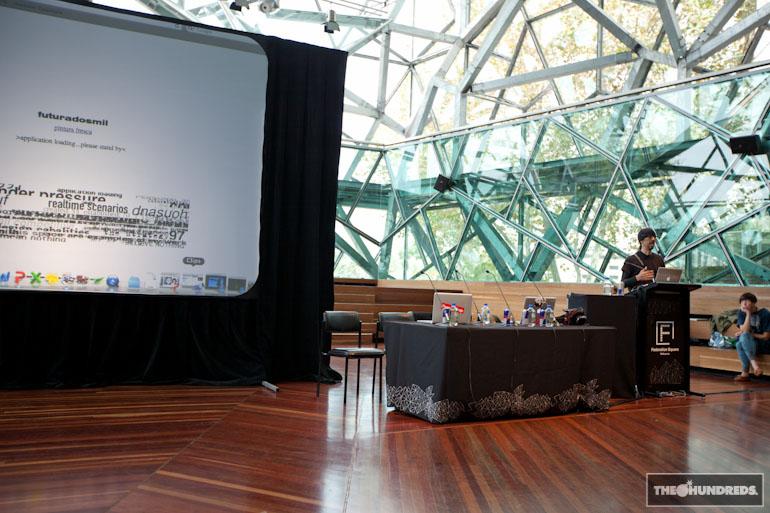
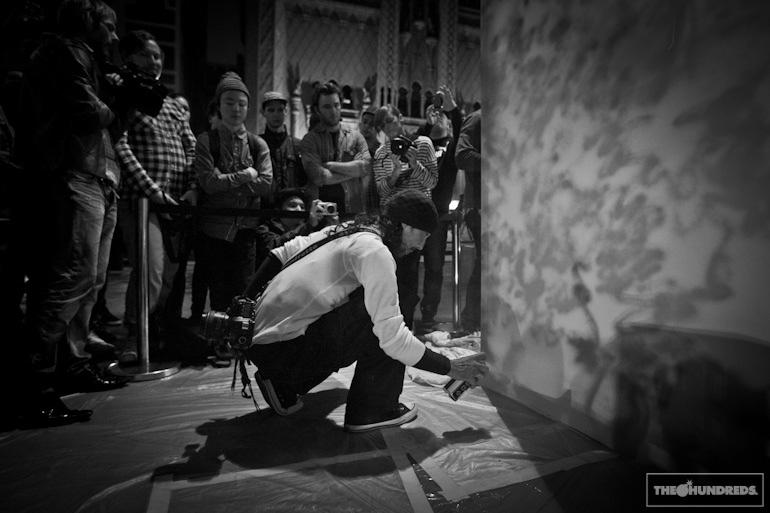

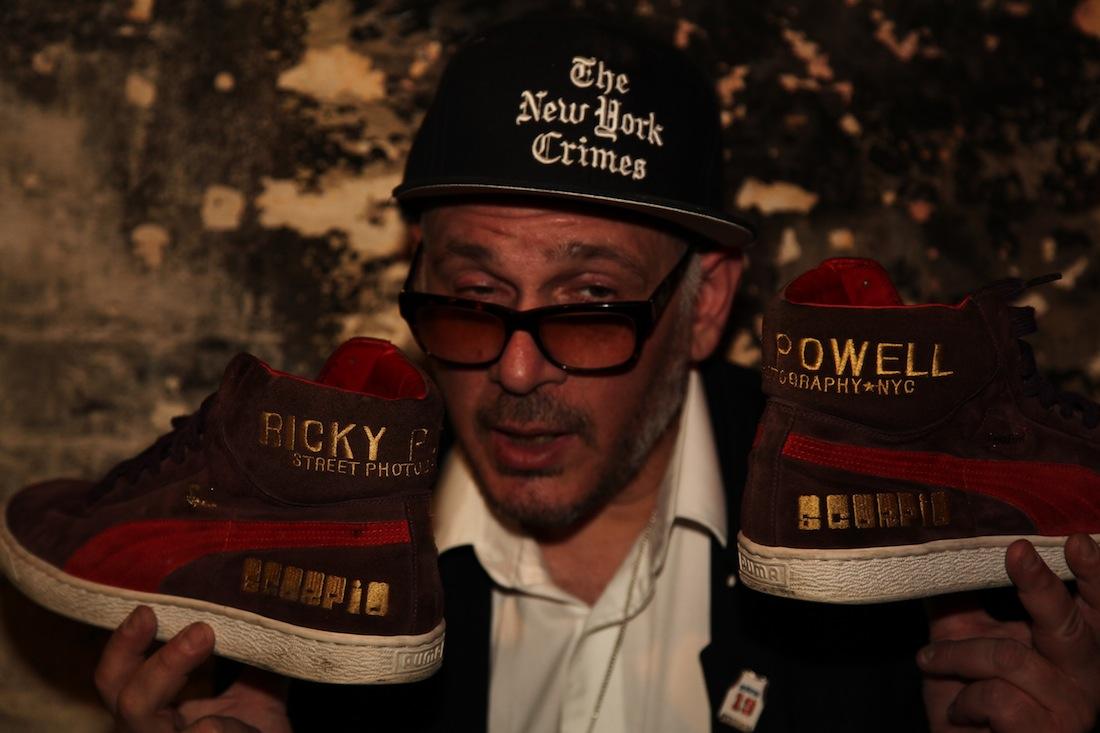
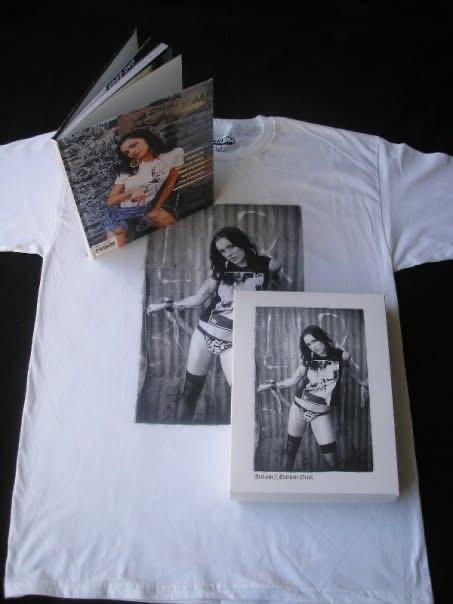
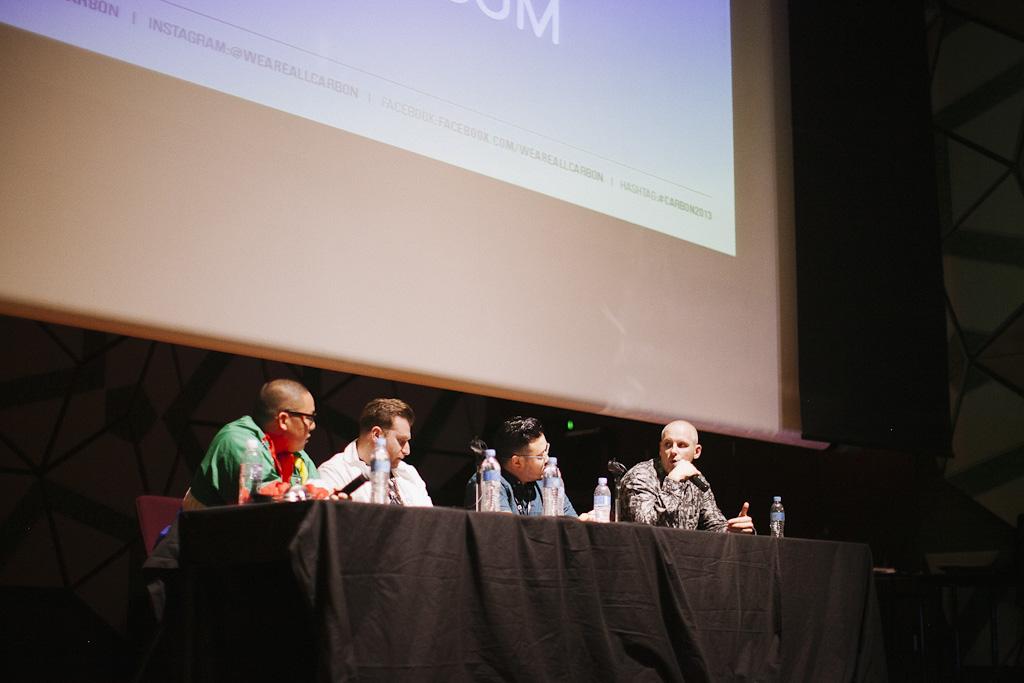
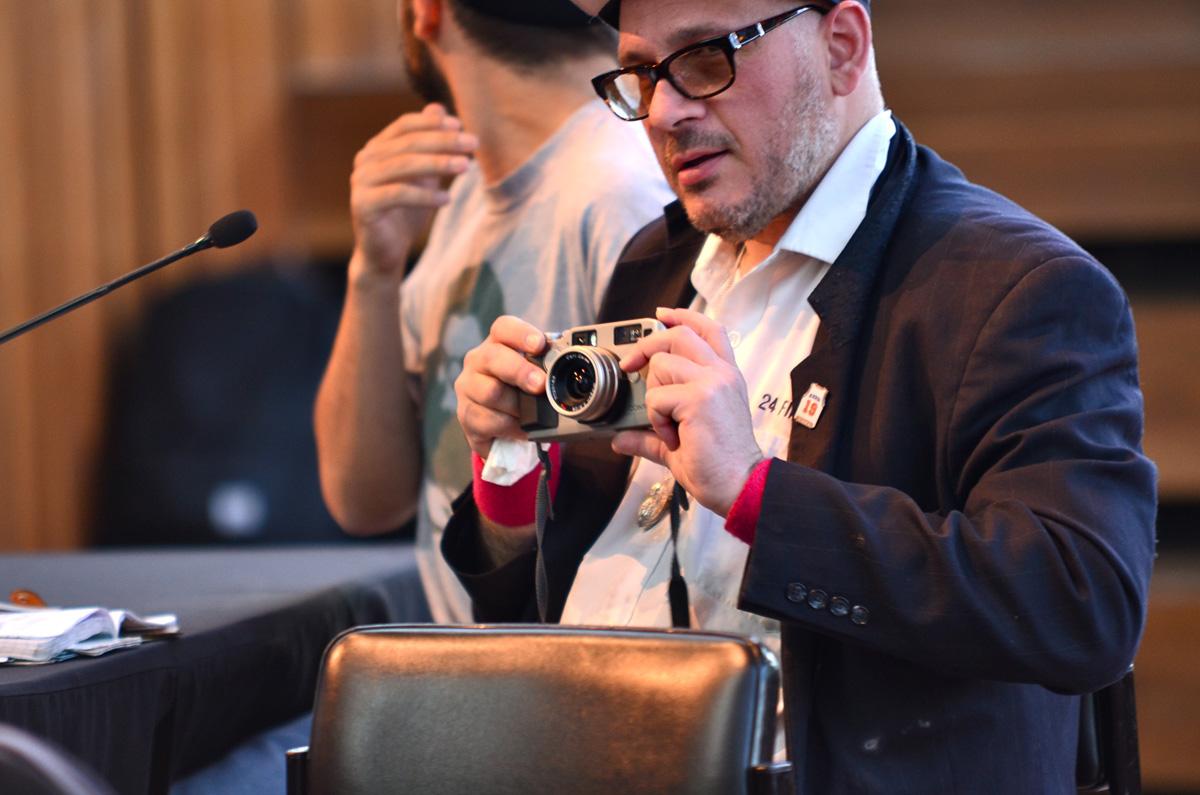
FRANK 151: Carbon ended up being way more than a conference. It connected designers, artists, publishers, musicians and entrepreneurs from all over the world with Australia’s creative community. What are you proudest of when you look back at it, and does Australia have anything like it today?
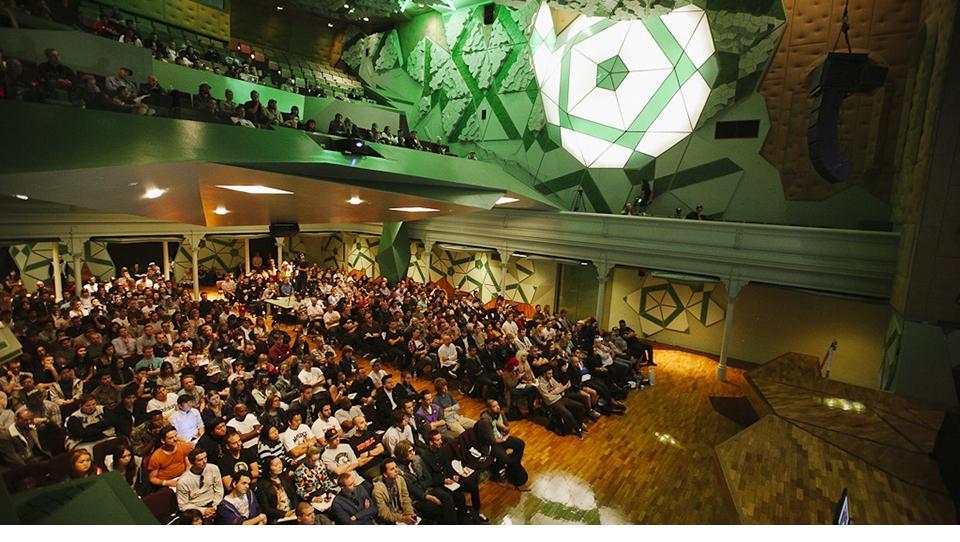
MONTELL: I’m most proud of the inspiration that Carbon provided to young creatives in our city. I’ve heard from many people over the years who have told me that attending a Carbon event was the thing that lit the spark for them on their own entrepreneurial journey. On a more selfish note, it was amazing bringing some of the people who inspired me to my hometown. Sitting in a room and watching the likes of Futura or Shawn Stussy sharing their stories was a huge thrill.
I’m not aware of anything similar to Carbon taking place today in Aus, but I’m also now living on the opposite side of the world and not fully aware of what may be happening on home soil. If it doesn’t exist, someone should definitely build it.
Again, this comes down to having the right team of people at the helm. When you have people who are living the culture, they will always be the best barometer for authenticity. Real recognises rea
FRANK 151: After Carbon you launched Complex Australia, bringing one of the biggest youth culture brands on earth into a small market. What was the hardest part of translating that voice, and how did you keep local creatives from getting buried under the international stories?
MONTELL: It took a lot of time and experimentation to understand who the audience for Complex Australia was. We came to realise that there was a percentage of the Australian audience that was only interested in the Complex US content. At the same time there was a growing audience who craved a more locally focused editorial output. We made the call to stop talking about the same things the US mothership was covering and to double down on hyper-local stories. This provided a unique POV and tapped into a very passionate audience segment.
I had some great editors at Complex AU, starting with Steve Duck, who helped craft an editorial tone of voice for Complex AU, one which aligned to the Complex US tone while speaking with Aussie humour and perspective. It has worked really well by treating the Australian content as a valuable accessory to the broader US content offering
.
FRANK 151: You’ve now done print with ACCLAIM, live with Carbon, digital with Complex Australia. How has your approach to storytelling shifted across the three, and what did each one teach you?
MONTELL: I think that when you come from an editorial background, storytelling becomes the essence of everything that you do. I’ve approached each of these platforms through the lens of a storyteller. The fundamentals of good storytelling are the same regardless of the platform, but of course each platform requires a unique strategy that recognises how audience engagement differs from one to the next. In the past decade, most progressive media companies have expanded their ecosystems to include live events (ComplexCon being a great example) and my businesses have done the same. Each platform offers a different kind of experience and emotional payoff for the audience, and I am excited to pursue opportunities that include digital, print and events as individual yet complementary parts of one ecosystem.
Print taught me the foundations of editorial strategy and the fundamentals of running an editorial budget. Every ad sold paid for a certain number of pages, photo shoots and articles written. It taught me how advertisers see things and where they assign value. Perhaps the biggest lesson was that things change and you’d better be ready to pivot. When the digital age staged a takeover, our print business became unviable and we had to evolve quickly or cease to exist.
Events taught me that real-world experience is perhaps the most valuable in terms of the ability to make a lasting impression on an audience. I think that is even more true today.
Online media taught me, and continues to teach me, how the ways audiences consume content differ from platform to platform, format to format. In this rapidly shifting landscape, no rules are really rigid and things will continue to evolve.
FRANK 151: Australia’s always had the isolation problem. You’ve spent a career building bridges between Australian creatives and everywhere else. Has social media closed that gap, or are real-world communities and events more important now than ever?
MONTELL: Yes, I think Australian creatives have a greater ability to connect to the wider world than ever before. However, we are also at a point of mass saturation. There is such a glut of content on the internet that standing out and being heard is perhaps more challenging than it was in previous decades. This has led to somewhat of a renaissance for real-world events and physical media. For me, focusing on core communities built around common interests is the best approach to real-world and online presence.
FRANK 151: ACCLAIM has lived through print dominance, digital, social platforms and now AI content. How has your definition of a great magazine changed over twenty years, and what part of it is completely timeless?
MONTELL: Assuming we’re talking about magazines in the traditional, printed sense, I think in today’s landscape the best magazines are collectors’ items. In a similar way to vinyl records, great print magazines offer a sense of permanency to the owner, and therefore an elevated level of quality in terms of content, production value and exclusivity are all important. In a way, magazines offer an opposing experience to that of the digital media landscape. They offer a moment to slow down, to absorb quality content at your own pace.
FRANK 151: Authenticity runs through everything you’ve done. Fashion, music, design, branding. How do you tell a real cultural movement from a trend that’s just borrowing the look?
MONTELL: Again, this comes down to having the right team of people at the helm. When you have people who are living the culture, they will always be the best barometer for authenticity. Real recognises real.
Having said that, sometimes it’s the role of the media entity to report on whatever movement or moment is impacting culture, even if that movement isn’t authentic or even a positive force. Sometimes we need to leave that up to the audience and the culture to figure out for themselves. As an example, we ran a cover feature on Iggy Azalea maybe a year before she really popped off in the US. Not many of our core audience would look to Iggy Azalea as an authentic representation of hip-hop today. At the time though, our editors spotted a girl from Australia with a massive amount of hype building behind her and wanted to tell that story first.
I think where authenticity is more important and evident is when it comes to direct collaboration. If ACCLAIM was going to host an event or produce a content series featuring talent, then the artist lineup needed to reflect genuinely aligned talent.
FRANK 151: Last one. A 20-year-old walks up to you tomorrow wanting to build the next great independent publication, platform or movement. What do you tell them about making something that shapes culture instead of just chasing it?
MONTELL: Start with finding something that you’re genuinely passionate about. Not just something that is popular and trending right now. I can guarantee that it will be a very hard journey to build something of significance, and only that passion will allow you to survive and persevere through the toughest moments. Passionate people shape culture and have done so throughout history.