
In this series, Frank 151 invites you on a captivating journey around the globe, providing a unique glimpse into the narratives and imaginative landscapes of individuals who are driving creativity to new heights worldwide.
Embark on a visual and intellectual adventure as we delve into the worlds of not only photographers and actors but also delve into the realms of rappers, musicians, graffiti artists, filmmakers, and the visionary minds behind emerging brands. Our creative chronicles are set to unfold, offering a rich tapestry of insights, anecdotes, and life wisdom that traverse the vibrant streets to the dynamic boardrooms, from the vast oceans to the majestic mountains.
Join us as we connect with the crème de la crème of the creative realm, bringing forth a diverse spectrum of perspectives that highlight the intersection of artistry, innovation, and entrepreneurship. From the pulse of urban streets to the serene landscapes, this series promises to capture the essence of the global creative scene, providing an immersive experience that transcends boundaries and celebrates the multifaceted expressions of human ingenuity.
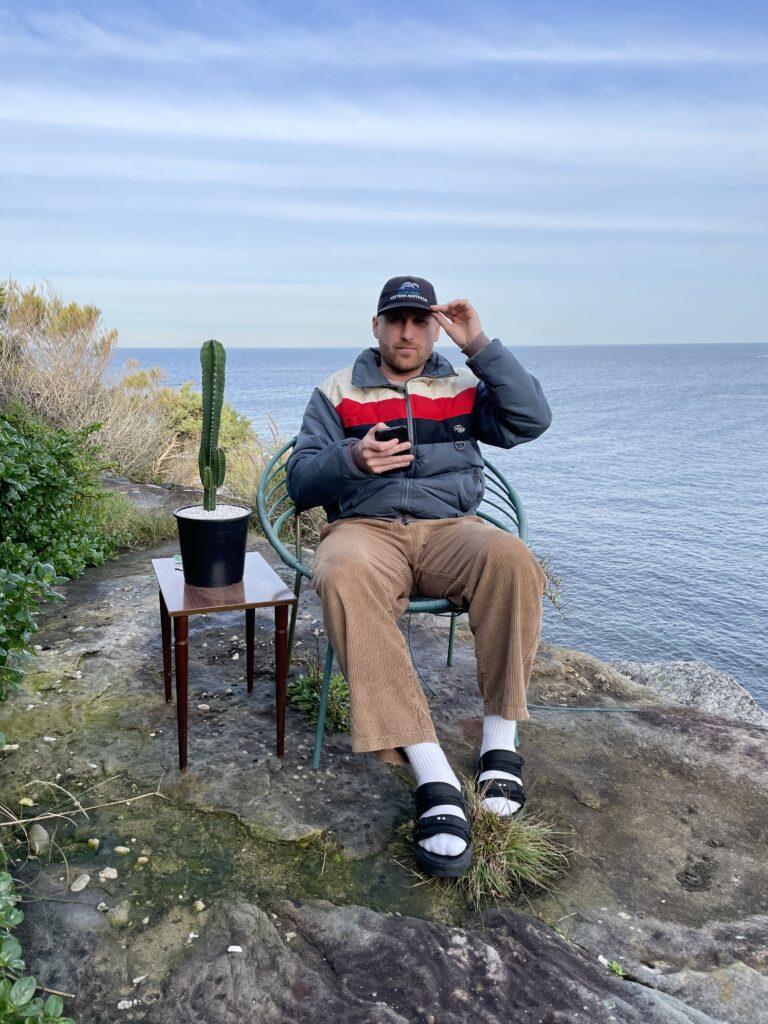
Al Horton didn’t come up rapping in his teens or cutting freestyles in schoolyards. His entry into hip hop was slower and more deliberate — shaped by study, reflection, and a genuine respect for the culture he was stepping into. What began as a quarter-life reckoning in his early 20s has grown into a multidisciplinary creative practice spanning music, film, and large-scale cultural ideas, all anchored by storytelling.
From his stark debut Meditations, filmed in Sydney’s Waverley Cemetery, to his YouTube series Stoner, and his audacious plan to break the world record for the largest barbecue as a metaphor for a new Australian identity, Horton’s work sits between personal evolution and social imagination. At 30, he’s less interested in chasing scenes than building frameworks — for himself and for others coming up alongside him.
FRANK 151: You didn’t start rapping until your early 20s. What made you finally pick up the mic?
AL HORTON: When I was 21, I had a bit of a quarter-life crisis. Up until then, I’d followed the mainstream track: high school, university, lining up a graduate job. I was in my honours year and decided to defer, to figure out what I really wanted to do.
Around that time I started watching The Get Down, Baz Luhrmann’s series about the birth of hip hop in the Bronx in the 1970s. It showed how two young guys found meaning through rap by telling their own stories. That’s when it hit me: rap is a vessel for storytelling like no other.
I’d always been a casual listener — Eminem, Kanye, 50 Cent, Jay-Z — but that was when I started digging deeper, studying the mechanics of rapping, and really investing in the craft.
FRANK 151: Your lyricism has roots in Rakim and Tribe storytelling, but you also bring a G-Eazy-like playfulness. How do you balance those worlds?
AL: It was important for me to step into rap respectfully. It’s a culture with deep roots, not my own, so I wanted to honour the storytelling tradition that defines it while paying homage to the greats before me.
At the same time, rap today is one of the most fluid genres. It blends with pop, country, disco — almost anything. Some of my upcoming tracks lean into modern, playful experimentation, but storytelling is always the anchor. That’s the constant.
FRANK 151: Meditations was a striking debut, filmed in Waverley Cemetery. What drew you there?
AL: I can see the cemetery from my bedroom window. It’s a daily reminder that life is temporary and you only get one chance to squeeze the most out of it.
Cemeteries are reflective spaces. Filming Meditations there matched the lyricism — it captured tensions I’d been carrying for a decade as I grew and shed old versions of myself. Shooting in black and white amplified that raw, unfiltered energy.
FRANK 151: You’ve spoken about letting go of past selves. What’s hardest about that, and what’s most liberating?
AL: The hardest part is letting go of an identity that shaped who was drawn to you. When you grow and change, some people don’t know how to relate to you anymore. You can’t always hold on, even if there’s love and shared history.
The liberation comes from welcoming new energy. You attract people aligned with who you’re becoming, and that validation confirms you’re on the right path.
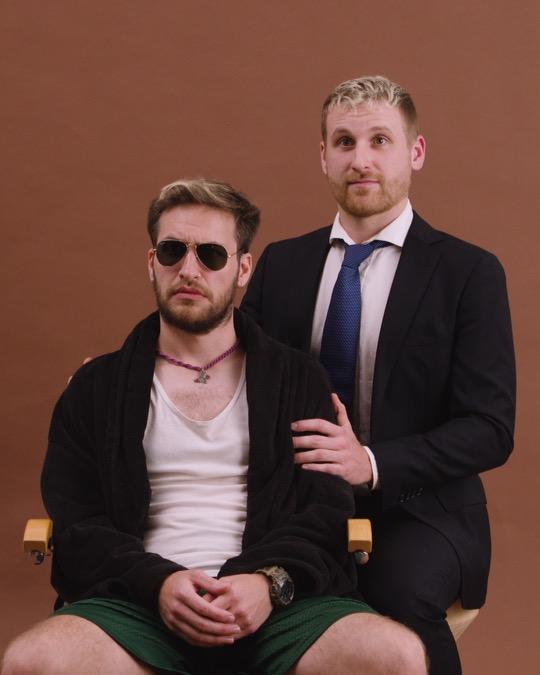
FRANK 151: Beyond music, you’ve created the YouTube series Stoner. What does filmmaking give you that music alone can’t?
AL: Filmmaking is the most challenging medium, in the best way. There are so many moving parts — writing, casting, set design, cinematography, sound.
You can’t do it alone. It forces collaboration, delegation, and trust. Seeing all those elements come together has made me appreciate how big a creative vision can really be.
FRANK 151: Tell us about the Big BBQ. What’s the vision, and why barbecue as a metaphor?
AL: In 2026 I’m aiming to break the Guinness World Record for the world’s largest barbecue by attendance — currently 45,252 people. But the record itself isn’t the point.
Barbecues are where communities come together. I want to use that framework to open up a conversation about a new Australian identity — one that embraces sustainability, industrial change, multiculturalism, inclusivity, and joy. At a time of increasing division, it feels important to create something genuinely unifying.
FRANK 151: You’re 30 — an age where many artists either burn out or lock into a lane. How do you see yourself carving space in Australia’s creative landscape?
AL: I read an Earl Sweatshirt interview where he said he wished he’d entered the scene at 30. That really stuck with me.
At this age, you know yourself better. You’re more intentional about what you make and why. I’m curious where the Big BBQ leads and who it connects me with. I want to help elevate Australian rap the way artists like Skepta, JME, and Loyle Carner helped define the UK scene.
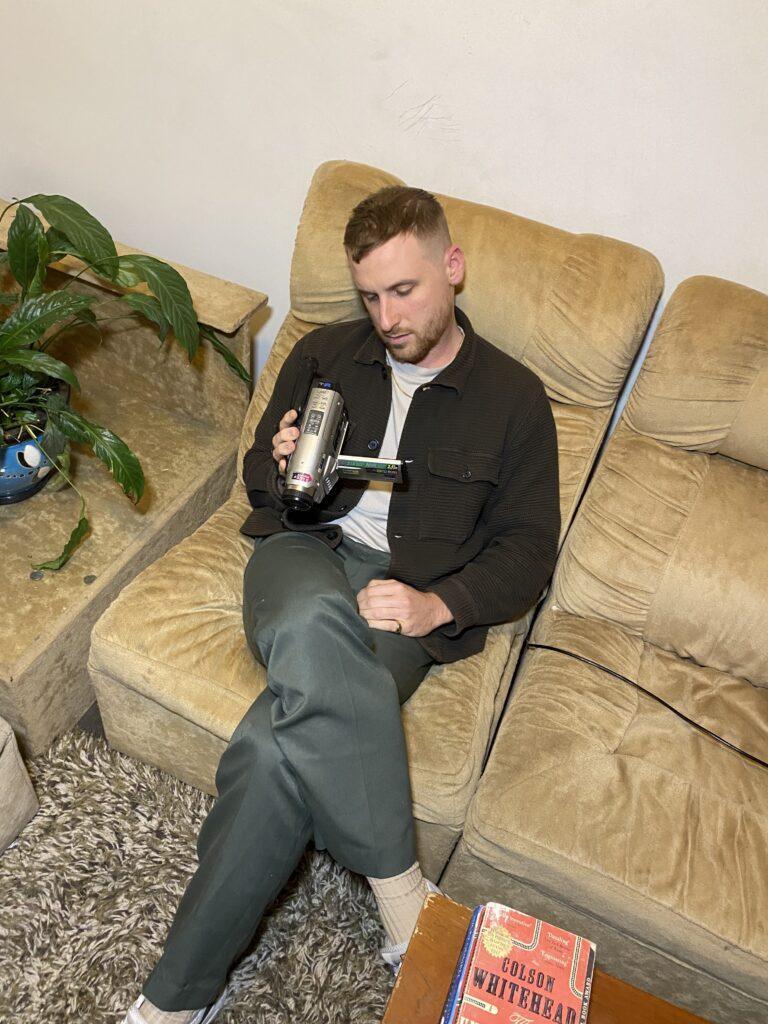
FRANK 151: Sydney, Eora has its own pulse — political, cultural, musical. How does the city shape your work?
AL: I moved here two years ago and love it. Living on the coast, starting mornings with a swim — that rhythm is grounding.
Sydney has this tension between possibility and pressure. It’s progressive and collaborative, but it also forces a hustler’s mindset. That balance feeds directly into my work.
FRANK 151: Hip hop often sits between personal storytelling and broader social commentary. Where do you place yourself?
AL: My story is deeply personal, but I’m conscious of the privilege I hold. That pushes me to pay attention to issues like climate justice and fair economic transition.
I try to draw out those tensions and elevate stories from the communities I’m part of — without losing people in the process. If it keeps listeners engaged, I’ve done something right.
FRANK 151: The Australian hip hop scene is still forming its global identity. Do you feel pressure to represent?
AL: I don’t feel pressure, but I do feel responsibility. I want my work to be globally minded while still feeling distinctly Australian.
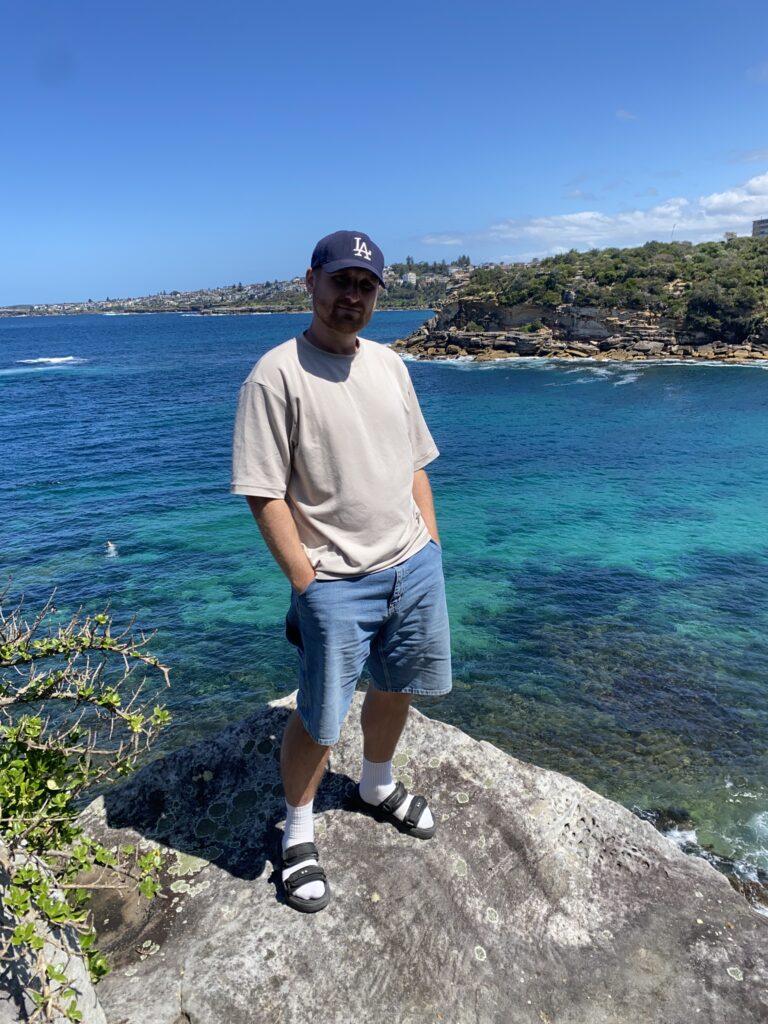
Visuals matter a lot to me. Shooting on the coastline and, with the right permissions, in Central Australia feels like a way to reflect the power of this place honestly.
FRANK 151: If you had to describe your creative process in one word, what would it be?
AL: Meditative. Reflection sits at the heart of everything I make.
FRANK 151: What do you want people to feel when they experience your work — a song, a film, or an idea like the Big BBQ?
AL: Inspired to take action. To move closer to the version of themselves they imagine becoming.
When I was starting out, artists like Childish Gambino made me feel like there was space for someone like me. If my work can do that for someone else, then I know I’m on the right path.