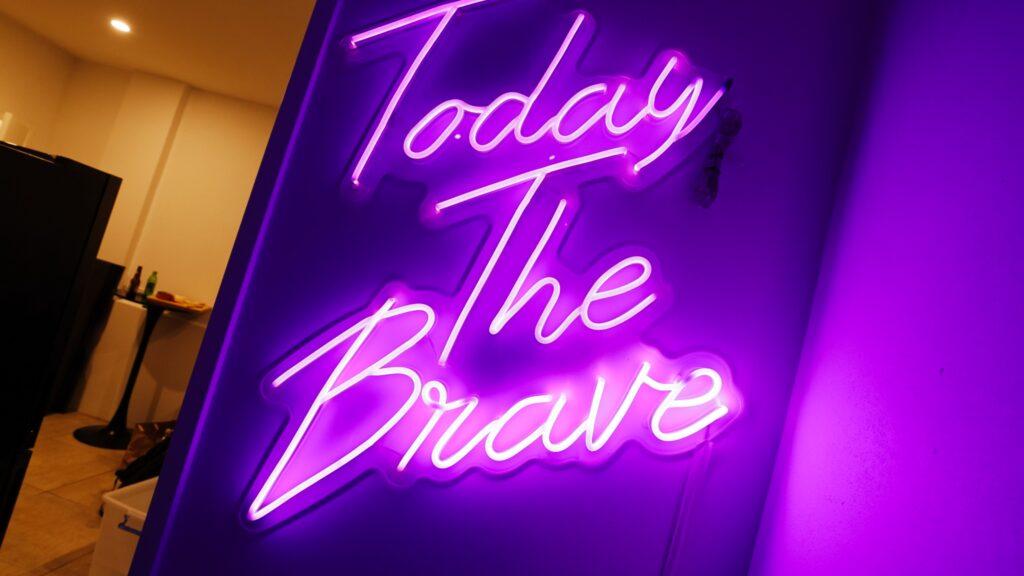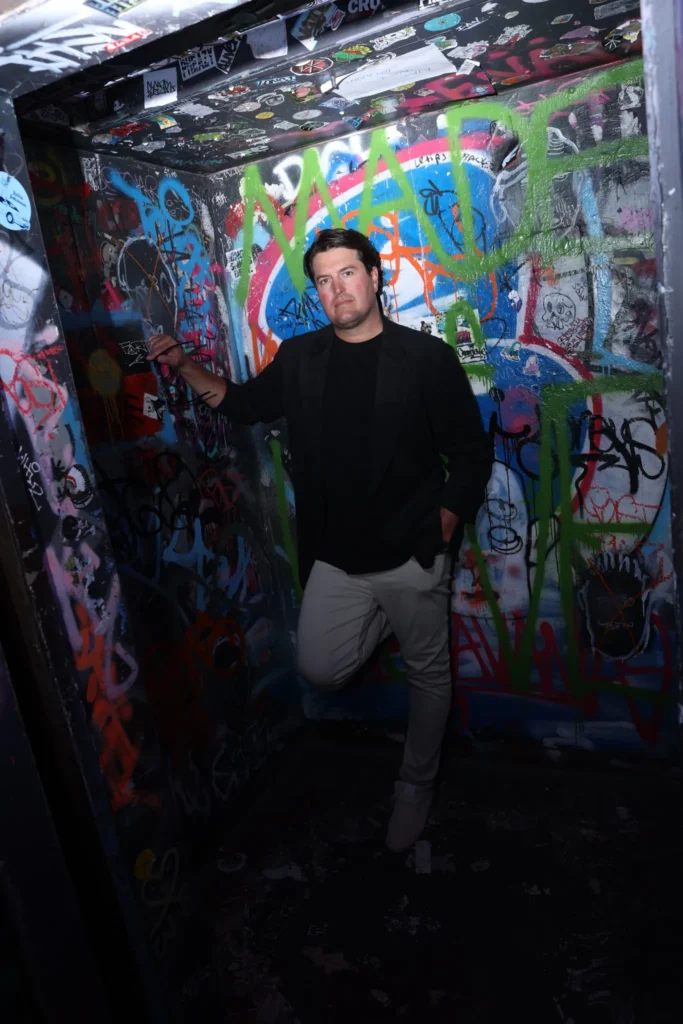
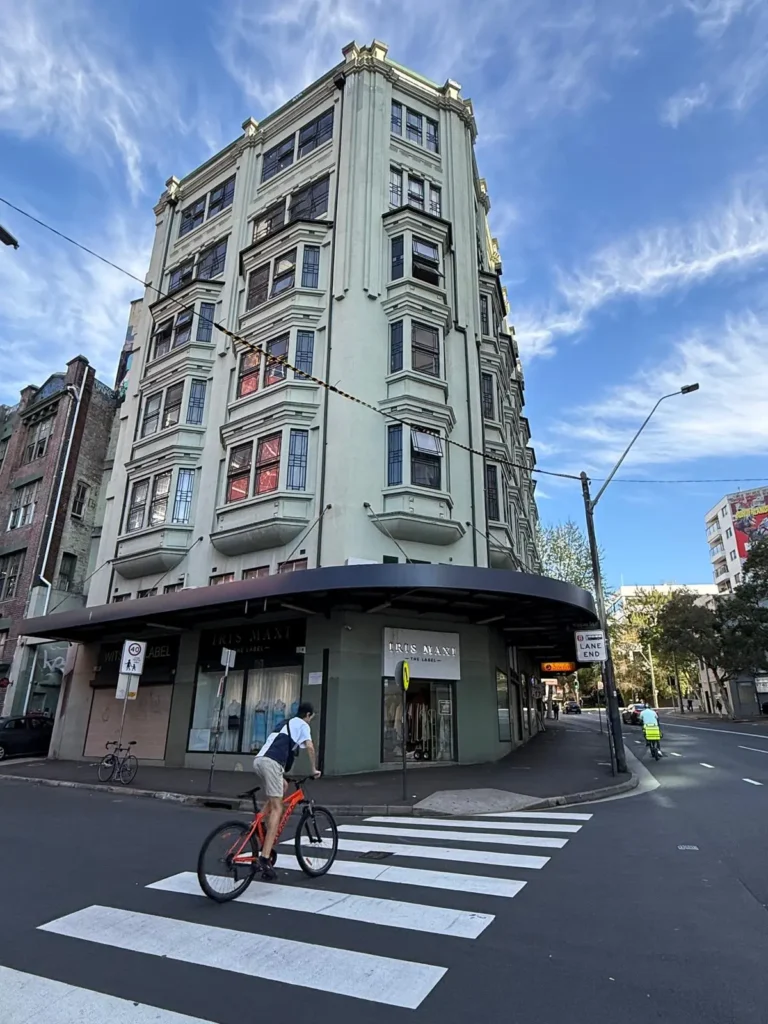
Today, The Brave CEO Jaimes Leggett—former head of M&C Saatchi—at the infamous Hibernian House.
In this series, Frank 151 invites you on a captivating journey around the globe, providing a unique glimpse into the narratives and imaginative landscapes of individuals who are driving creativity to new heights worldwide.
Embark on a visual and intellectual adventure as we delve into the worlds of not only photographers and actors but also delve into the realms of rappers, musicians, graffiti artists, filmmakers, and the visionary minds behind emerging brands. Our creative chronicles are set to unfold, offering a rich tapestry of insights, anecdotes, and life wisdom that traverse the vibrant streets to the dynamic boardrooms, from the vast oceans to the majestic mountains.
Join us as we connect with the crème de la crème of the creative realm, bringing forth a diverse spectrum of perspectives that highlight the intersection of artistry, innovation, and entrepreneurship. From the pulse of urban streets to the serene landscapes, this series promises to capture the essence of the global creative scene, providing an immersive experience that transcends boundaries and celebrates the multifaceted expressions of human ingenuity.
Sydney’s always had an edge — a raw creative pulse running through its alleyways, roller doors, backstreets and late-night corners. But every now and then, someone takes that energy and gives it a home. Not a polished white-walled gallery. Not a corporate “creative hub.” Something real. Something with grit. Something that feels like culture is still alive inside it.
“For me, ‘feel something’ doesn’t mean being wowed — it means being awake.”
— Jaimes Leggett
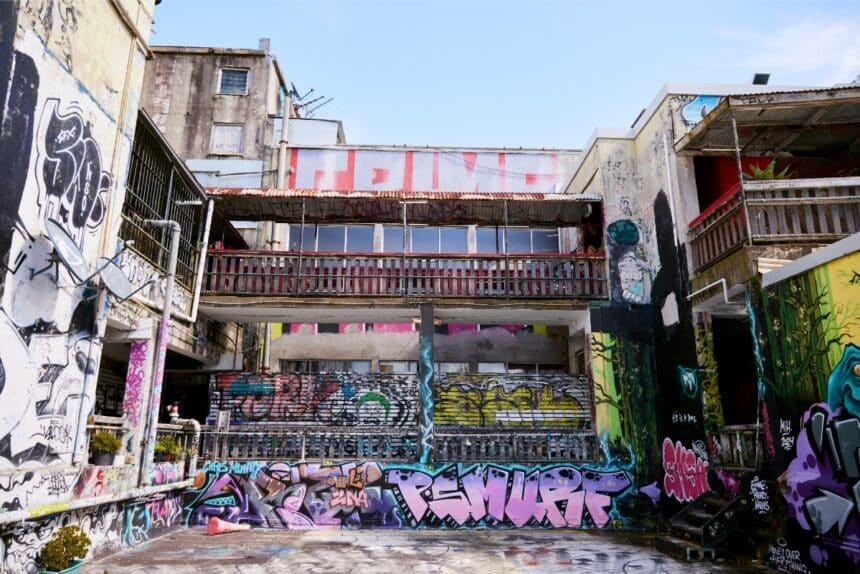
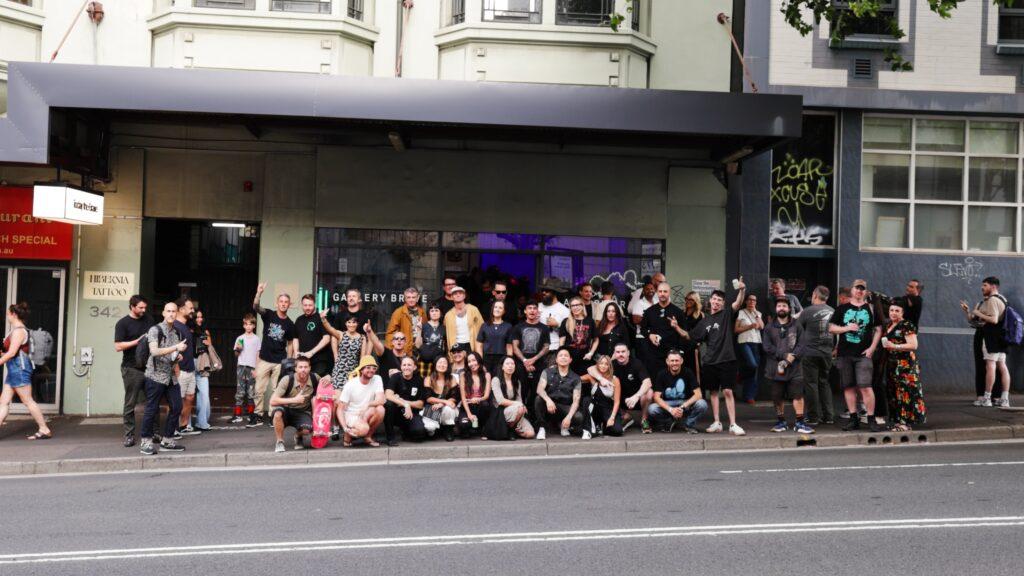
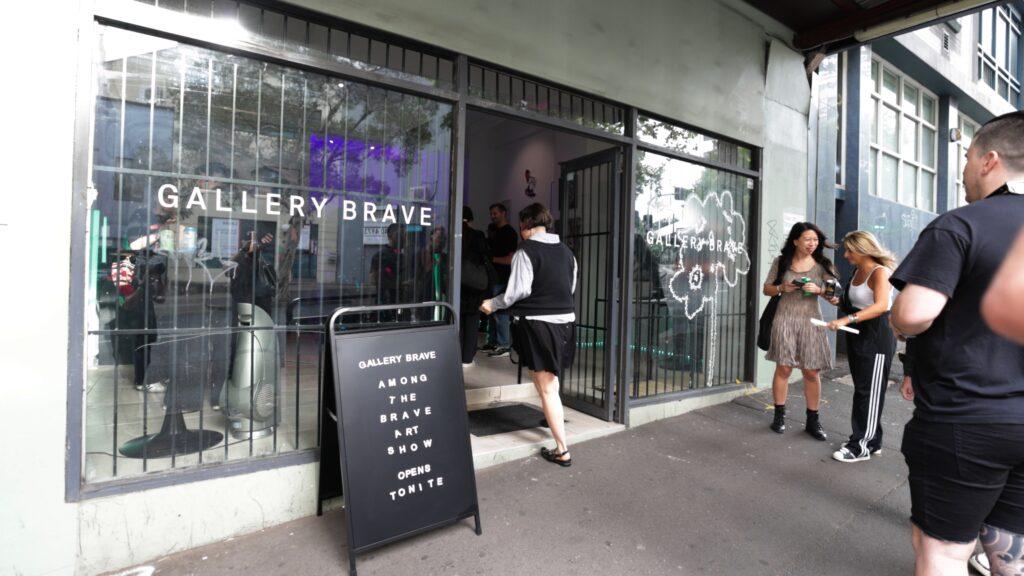
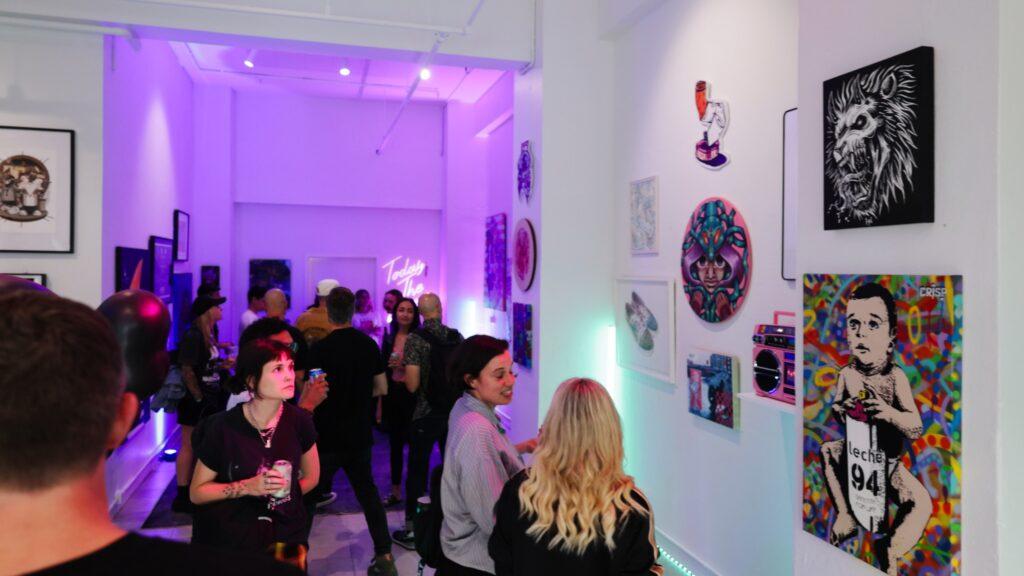
Enter Jaimes Leggett — founder of Today the Brave, and the mind behind Gallery Brave, a street-facing space carved into the bones of Hibernian House. If you know, you know. The building’s history is layered with graffiti, street art, and decades of underground creative residue. It’s the kind of place where the walls have already spoken long before you walk in.
Gallery Brave isn’t pretending to be part of the scene — it is the scene. A cultural pressure point where art, design, and brand work collide without losing their authenticity. It’s part exhibition space, part statement, part open invitation to the city.
Jaimes isn’t interested in safe work, sterile offices, or creativity that stays trapped inside agency boardrooms. His philosophy is simple: culture leads, brands follow — and if you’re not contributing to the conversation, you’re already behind.
This is where Sydney’s creative underground meets commercial firepower — and where the line between gallery and agency disappears.
FRANK 151: When you first imagined Today the Brave, did you always see it as more than a traditional ad agency — somewhere where culture, art, and creativity collide? What was the spark for that vision?
JAIMES LEGGETT: I don’t think I had a grand masterplan at the start, it was more instinctive than that. But I’ve always believed creativity doesn’t live in neat lanes. The best ideas usually come from culture first, not categories.
I grew up in a house full of art so being surrounded by creative expression felt normal to me. But the real spark came later, when I was living and working in London in the early 2000s. I was based in Shoreditch and I’d walk to work every day past new street art. The city itself felt alive – like a constantly evolving gallery.
That experience stuck with me. When we started Today the Brave, I didn’t want it to feel like an agency sealed off from the world. I wanted it to feel plugged into culture, influenced by it, shaped by it, and occasionally contributing back to it.
FRANK 151: Your agency’s new home in Hibernian House is legendary for its graffiti, street art, and creative history. How did that building’s raw character shape your idea of what an advertising agency could be?
JAIMES LEGGETT: Hibernian House has a soul and we were very conscious of not getting in the way of that.
Most offices try to impress you with polish. This building does the opposite. It has layers, scars, stories. You can feel the creative energy that’s passed through it over decades, and that felt far more inspiring to us than a blank slate.
It reinforced this idea that an agency doesn’t need to look “finished” to do great work. In fact, a bit of rawness is healthy. It keeps you curious. It reminds you that creativity is a process, not a product.
JAIMES LEGGETT: For me, “feel something” doesn’t mean being wowed – it means being awake.
I want people to walk in and feel energy, curiosity, maybe even a slight sense of discomfort in a good way. That emotional response is important because it mirrors how we think brands should show up in the world. If you don’t feel anything, you probably won’t remember it.
Creatively, that pushes us to avoid the safe middle. We’re always asking: does this idea have a pulse? Does it stand for something? Does it provoke a reaction – even a quiet one?
FRANK 151: Gallery Brave has quickly become a street-facing creative space in Sydney. How does the gallery reflect your philosophy about the role of art, design, and expression in brand work?
JAIMES LEGGETT: Gallery Brave is really an extension of how we see creativity – it’s not separate from our work, it’s part of the same conversation.
Art, design and expression are where new language gets tested. They’re where risk happens before it’s sanitised. Having a street-facing gallery keeps us honest. It forces us to engage with culture as it’s happening, not just talk about it in meeting rooms.
From a brand perspective, I think the best work today doesn’t borrow from culture, it participates in it. Gallery Brave is our way of staying close to that edge.
“The best work today doesn’t borrow from culture, it participates in it.”
— Jaimes Leggett
FRANK 151: When you’re curating exhibitions or inviting artists to Gallery Brave, what are you looking for — risk, voice, relevance, or something else?
JAIMES LEGGETT: Honestly, I don’t over-intellectualise it.
What matters most is that the artist has something to say; an idea, a story, a point of view and that the work is cared for and crafted. You can feel when something’s been made with intent.
Risk, voice and relevance often come naturally when that’s present. But they’re not checkboxes. It’s more about authenticity and effort than fitting a particular aesthetic or trend.
FRANK 151: Sydney’s street art scene is famous for its diversity and impact. How does that urban energy inform the way your team thinks about creativity and brand storytelling?
JAIMES LEGGETT: Street art is a great teacher because it’s immediate and uncompromising. You don’t get a captive audience – people either engage or they walk past.
That’s a useful lens for brand storytelling. It reminds us that attention is earned, not assumed. The diversity of voices in Sydney’s street art scene also reinforces the idea that there’s no single way to tell a story well. Different styles, backgrounds and perspectives all have value if the idea is strong.
FRANK 151: You chose to preserve graffiti and the informal history of Hibernian House rather than sterilise the space. What does that say about how you think brands should engage with authenticity and cultural memory?
JAIMES LEGGETT: I think brands sometimes rush to clean things up when there’s actually more value in the imperfections.
Preserving the graffiti wasn’t about nostalgia – it was about respect. Those marks are part of the building’s memory. Wiping them out would’ve felt like erasing a story.
For brands, it’s similar. Authenticity doesn’t come from pretending to be something new every five minutes. It comes from understanding where you’ve come from, owning it, and building forward with honesty.
FRANK 151: Today the Brave works with big clients, yet you’re deeply rooted in creative community spaces. How do you bridge high-level commercial objectives with grassroots culture and artistic risk?
JAIMES LEGGETT: I don’t see those things as opposites.
Commercial objectives need creativity to succeed – not just efficiency. And grassroots culture needs platforms and resources to thrive. When those worlds meet thoughtfully, both sides benefit.
Our job is to translate. To help clients understand that cultural relevance isn’t a “nice to have” – it’s often the thing that makes the work land. At the same time, we’re careful not to exploit culture. It’s about collaboration, not extraction.
FRANK 151: As someone who’s lived and worked in London and Sydney, how does Sydney’s creative ecosystem — from street art to underground spaces — shape your view of what a modern agency should be?
JAIMES LEGGETT: London taught me scale and speed. Sydney taught me intimacy and care.
Sydney’s creative ecosystem is smaller, but that can be a strength. Scenes overlap. People know each other. Ideas travel faster between disciplines. A modern agency here should reflect that – more porous, more collaborative, less siloed.
It should feel connected to what’s happening outside its walls.
FRANK 151: Looking forward, what role do you see Gallery Brave playing in Sydney’s cultural ecosystem, and how might that tie back into the work you do with clients and communities?
JAIMES LEGGETT: I’d love Gallery Brave to be a genuine community hub – a place where emerging and established artists feel welcome, and where local creativity connects into global conversations.
For Today the Brave, it keeps us grounded. It reminds us why we do what we do. And for clients, it offers something real – not a trend report or a mood board, but a living example of how culture, craft and commerce can coexist.
If it contributes even a small amount to Sydney’s creative energy, I’ll be very happy with that.