
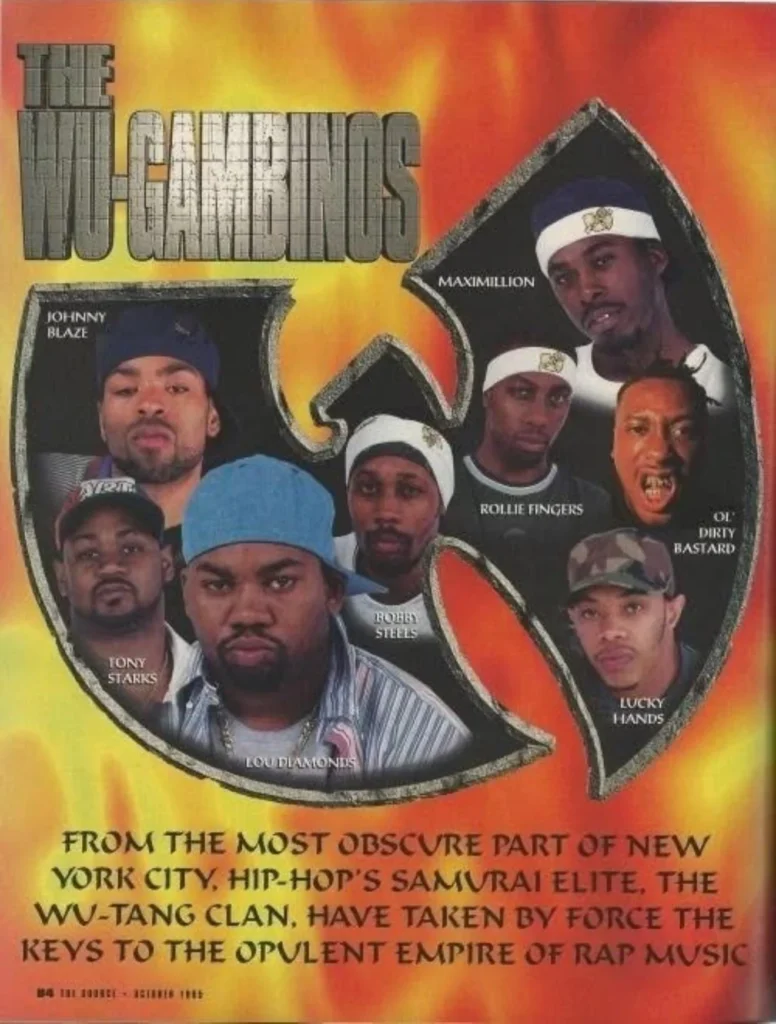
The Call That Made Even Wu-Tang Sit Down
Hip-hop has always danced with danger—armed with metaphors, street tales, and real-life consequences. But there was a moment in the ‘90s when the grit got realer than real, and even the Clan—Wu-Tang, the most mythical rap collective of the era—got a call they couldn’t ignore. The call came from none other than the Gambino family.
Yeah. Them.
The story’s been whispered about in barbershops, dissected in dorm rooms, and passed around like contraband in rap forums. But here’s what really went down when the Wu got tapped on the shoulder by the Mafia—and bowed.
Setting the Stage: Staten Island, Silk Shirts & Street Codes
The Wu weren’t just rhyming about martial arts flicks and chess metaphors. There was real dust on their boots. By the mid-‘90s, the Clan was blowing up. Enter the Wu-Tang (36 Chambers) had cracked open the pavement, and affiliates like Raekwon and Ghostface were painting vivid street murals on tracks like Only Built 4 Cuban Linx.
But this wasn’t just music. It was cinema vérité. Real players were getting nervous—because some of those names and references? They weren’t fiction. They were a little too accurate.
Some say certain verses were lifting the curtain on names that weren’t supposed to be in the public. The kind of names that carried legitimate weight in the underworld.
The Gambino Family Didn’t Send a Tweet. They Sent a Message.
Here’s where the legend sharpens. Around the time Raekwon dropped The Purple Tape, word got around that one particular lyric referenced a known Gambino associate. It wasn’t threatening, it wasn’t even disrespectful—but it was recognizable. And that was enough.
See, in that world, being mentioned in a song could get the wrong eyes on you. Law enforcement, rivals, or even your own organization might start asking questions. Silence isn’t just golden—it’s policy.
So, the Gambinos didn’t file a cease-and-desist. They picked up the phone. Or maybe they showed up at a show. The details vary depending on who’s telling it—but the message was clear:
“Cool it. You’re playing with names you don’t understand.”
And the most gangster thing? Wu-Tang listened.
Respect Isn’t Weakness, It’s Power
This isn’t a story about Wu-Tang backing down. It’s about understanding power.
Wu-Tang’s ethos was always rooted in respect. Respect the sword. Respect the code. And in the streets? There’s a pecking order. Even generals salute the dons. They recognized that pushing further could invite heat they didn’t need—not just on them, but their families, their movement, and the culture they were building.
So they pivoted. They kept it cryptic. Subtext over headlines. Allegory over aliases. And in doing so, they elevated their art—and stayed alive to enjoy it.
Hip-Hop, La Cosa Nostra, and the Thin Line Between Myth & Menace
Hip-hop and the Mafia have always had this strange symbiosis—parallel empires built on loyalty, legacy, and coded language. But while most rappers flirted with mob tropes, Wu-Tang brushed too close to the real thing.
This story is a lesson—on the weight of words, the reach of reputation, and the rare moments when even icons take a step back. It’s also a reminder: if you’re going to talk street politics, know when you’re stepping onto someone else’s turf.
Because not every warning comes in a verse. Sometimes, it comes with a handshake—and a promise.