
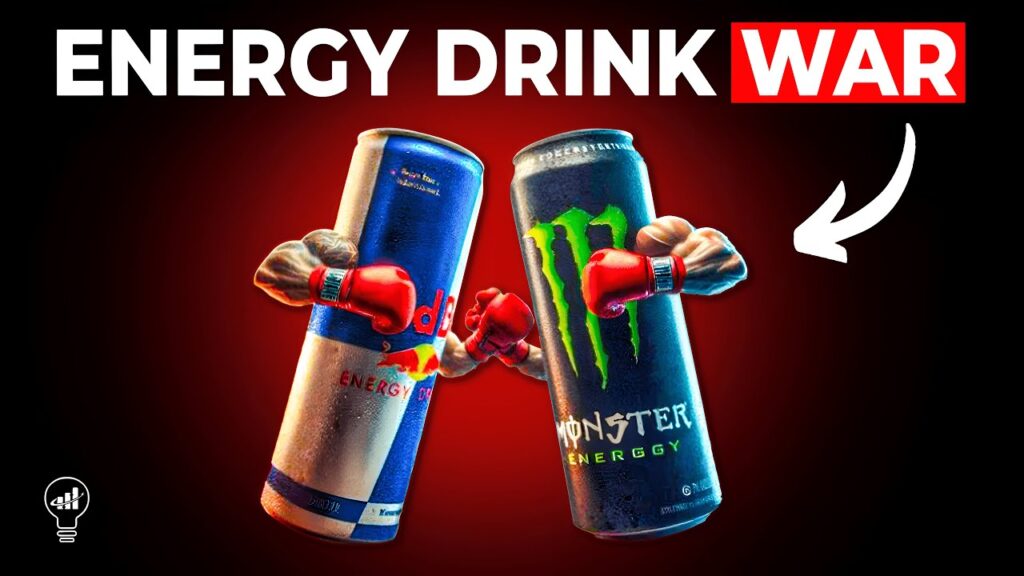
There was a time when action sports were the wild west of athletic culture — chaotic, unpolished, and deeply, beautifully unprofitable. Riders scraped together cash from local shop sponsors, DIY contests popped up in parking lots, and progression was dictated by a small tribe of obsessed weirdos pushing each other for nothing more than bragging rights.
Then came the wings and the claw marks.
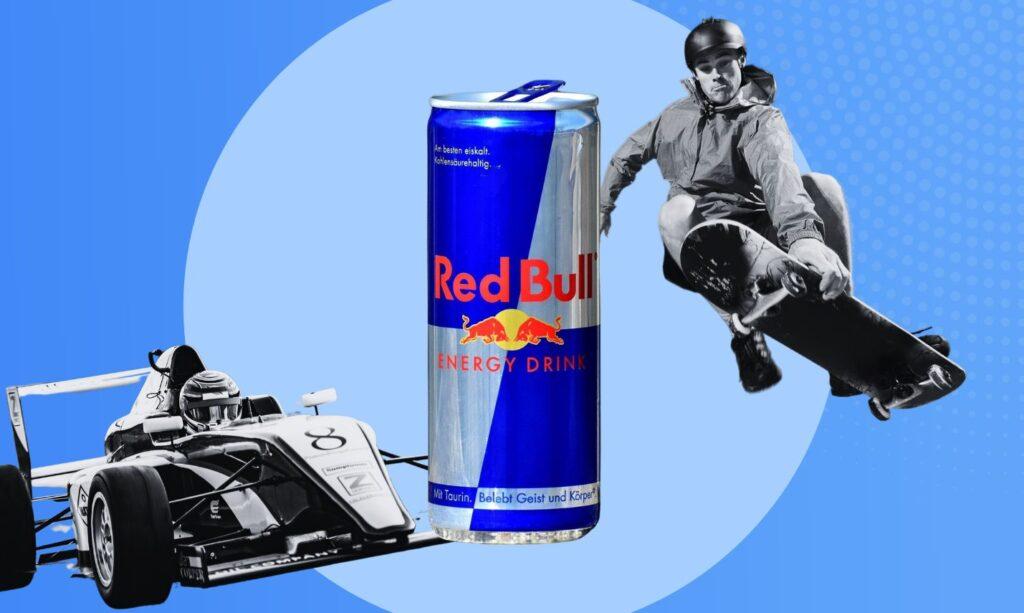
Red Bull and Monster didn’t just slap logos on helmets — they bought the whole arena. From Supercross stadiums and Rampage cliffsides to BMX, skate, surf, and freeride, these two energy drink giants rebuilt the culture in their own image. They didn’t just fund events; they created them. They didn’t just sponsor riders; they decided who got to ride.
The Rise of the Corporate Course Builders
It started innocently enough. Red Bull’s early involvement in the late ‘90s and early 2000s felt like a blessing — finally, a brand willing to throw serious money at athletes the mainstream ignored. They backed risky projects, weird contests, and stunts no other company would touch.
Monster followed, bringing its own “louder, meaner” aesthetic to the party. Suddenly, prize purses grew, production quality skyrocketed, and action sports broadcasts looked as slick as NFL halftime shows. The budget wasn’t just there for travel and gear — it built entire venues, from perfect dirt jump lines in Whistler to custom concrete bowls in Barcelona.
For athletes, the dream had finally come with a paycheck.
Gatekeepers in Goggles
But there’s a cost when your main patron is also your landlord. When the brand owns the event, the broadcast, the purse, and the afterparty, they own the culture by default.
Riders learned quickly that a helmet without a certain logo could mean no invite. Events shaped their formats and judging criteria to fit TV-friendly packages. The chaotic, unpredictable nature of skate and BMX contests started giving way to polished, sponsor-approved “safe progression” — big tricks on schedule, in perfect lighting, for maximum shareability.
You could argue that these brands professionalized the scene. You could also argue they sterilized it.
Saved or Sanitized?
There’s no denying Red Bull and Monster saved athletes from financial oblivion. Careers that once ended in early-20s burnout now stretch into decades. Progression, at least in some disciplines, has exploded thanks to the resources poured into training facilities, coaching, and travel.
But the flip side is harder to ignore. The sport’s rough edges — the underground comps, the sketchy hand-built courses, the anything goes vibe — have been sanded down. Athletes toe the brand line because, in an ecosystem this small, losing your spot on the roster can mean disappearing entirely.
Where We Go From Here
The question isn’t whether corporate involvement is good or bad. It’s whether action sports can reclaim some of its creative independence while keeping the benefits big money brings. Riders are starting to push back — launching their own events, documenting street missions, and building scenes outside the sponsor-approved circuit.
Maybe the future isn’t Red Bull or Monster. Maybe it’s Red Bull, Monster, and a parallel underground that refuses to die. Because as long as there are riders willing to risk it all for a line no one else has tried, action sports will have a pulse — logos or not.