

Image Credit: rollingloud.com
If you were there at the beginning—really there—you remember how it felt: an overheated warehouse in Wynwood, Miami, a crowd humming with energy that felt too big to be contained in one room, one night, one genre. It wasn’t polished. It wasn’t corporate. It was something raw, visceral, and undeniably alive. That was Rolling Loud’s first heartbeat in 2015—and for the people packed inside, it felt like standing at the edge of something that was about to break wide open.
Two Best Friends, One Big Idea
Matt Zingler and Tariq Cherif didn’t set out to build the biggest hip-hop festival on the planet. They were promoters, kids of the culture, throwing shows across Florida because they loved the music and the chaos that came with it. They booked whoever was bubbling—artists who had hunger in their voices and sweat on their brows. Names like Kendrick Lamar, Travis Scott, and Rick Ross weren’t global brands yet—they were just undeniable.
They noticed something happening at their shows: the same faces, the same electricity, the same feeling that hip-hop deserved more space. Not a side stage. Not a token slot on a mixed-genre lineup. A world of its own. So they found a warehouse, built a stage, sold tickets by hand, and rolled the dice. About six thousand people showed up. That was all it took.
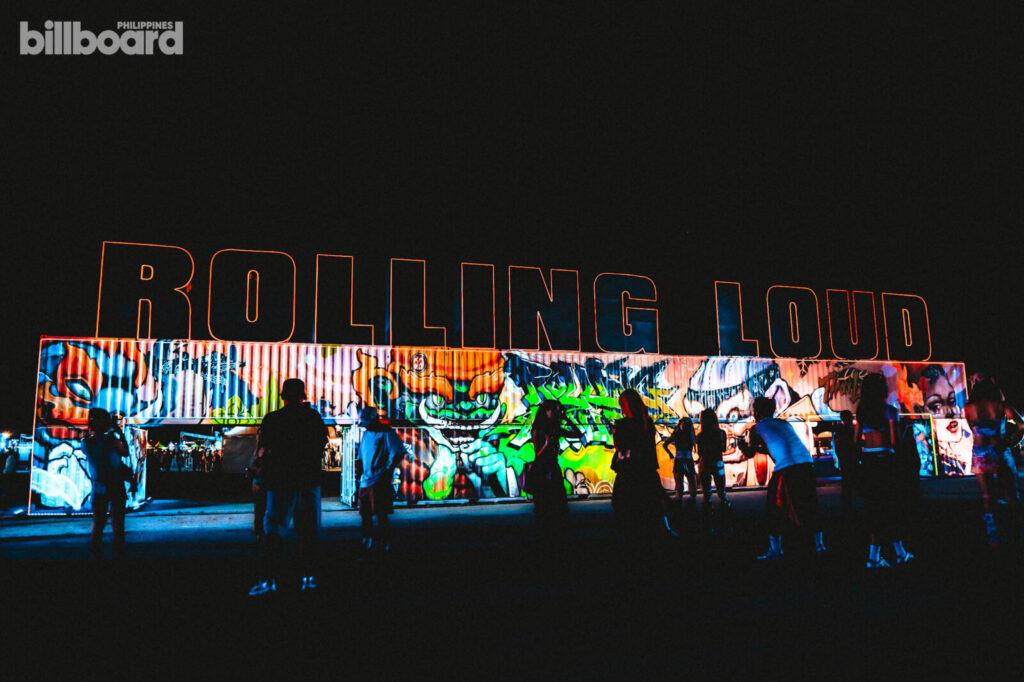
 Photographed by Mayks Go
The Beginning Wasn’t Perfect—It Was Honest
The first Rolling Loud was messy in the best way. Rain leaked in. Equipment failed. Schedules bent. Security was improvised. The founders were literally on site through the night, building barricades, solving problems with duct tape and adrenaline. There was no blueprint—only instinct.
That imperfection became the soul of the festival. It didn’t feel manufactured. It felt earned. Fans weren’t customers; they were co-conspirators. Artists weren’t booked acts; they were family. You could sense it in the crowd—this wasn’t just another show. This was something people wanted to belong to.
Building a Festival, Building a Culture
Rolling Loud didn’t just follow hip-hop’s rise—it moved in step with it. The lineups felt like time capsules: street legends next to SoundCloud kids, veterans sharing stages with artists on the brink of explosion. If you wanted to understand where hip-hop was and where it was going, you went to Rolling Loud.
It wasn’t just about music either. Fashion exploded across the grounds. Haircuts, grills, custom fits, dance styles—every detail felt like a living museum of the culture, updated in real time. Rolling Loud became a place where trends weren’t predicted—they were born.
Rolling Loud didn’t just redefine festivals—it reimagined what a hip-hop experience could be. With unique attractions like skate parks, barber shops, and tattoo parlours at every festival,
Zingler explains, “We’ve always believed it’s not just about artists and stages—it’s about the whole experience. I call Rolling Loud the hip-hop Disney World. And I mean it—Disney isn’t just the park. It’s Disney+, it’s movies, TV shows, merchandising. That’s the model we’re thinking about as we expand and grow Rolling Loud.”
Tariq Cherif adds, “From the very start, it’s been about culture. We wanted people to step onto the grounds and feel like they were in a place that celebrates everything hip-hop—music, fashion, art, lifestyle. Every corner has something alive happening, and that’s what makes it more than a festival—it’s a world.”
From Miami to the Globe
Once Miami caught fire, the spread was inevitable. Los Angeles. The Bay. New York. Each city added its own accent, its own flavor, its own energy. Then came the leap overseas—Europe, Australia, Asia. Different languages, same basslines. Same hands in the air. Same feeling.
Fans across the world weren’t just attending Rolling Loud—they were claiming it. The festival became a passport, a cultural handshake that said: we’re part of the same thing. Hip-hop had gone global, and Rolling Loud became one of its loudest embassies.
A Festival Worth Feeling
Ask anyone who’s been and they won’t talk about logistics. They’ll talk about moments.
The first bass hit rattling your chest.
A surprise guest stepping onstage and detonating the crowd.
Singing every word to a song you didn’t even know last year.
Locking eyes with a stranger and realizing you’re both feeling something impossible to explain.
Rolling Loud isn’t watched—it’s felt. It’s sweat and sound and shared breath. It’s the moment you lose your voice and don’t care. For many, it’s not just a festival—it’s a rite of passage.
Not Just a Festival—A World
People have called Rolling Loud the “Disney World of hip-hop,” but that barely scratches the surface. It’s not about rides—it’s about immersion. Stages feel like neighborhoods. The grounds feel like cities. Barber shops, pop-ups, art installations, skate ramps—it’s a full ecosystem built around the culture.
What started as two friends throwing parties in Miami turned into a global movement powered by authenticity, risk, and belief. Rolling Loud didn’t ask for permission. It didn’t wait its turn. It built its own lane and turned the volume all the way up.
Today, Rolling Loud stands as proof that when hip-hop is given space, trust, and freedom, it doesn’t just grow—it explodes. And for the millions who’ve passed through its gates, it will always be more than a festival.
It’s a feeling you chase.
A memory that stays loud.
A moment that reminds you why music still matters.