

In 1994, punk didn’t just creep into the mainstream — it came charging in with a sledgehammer and a grin. In the States, the scene had always been a dive-bar affair. Punk was supposed to be broke, bitter, and allergic to MTV. If you had a van, a set of working amps, and enough gas money to get to the next squat gig, you were winning. The last thing anyone expected was for a scrappy Orange County band to sell millions of records singing about road rage and bad breakups. But The Offspring did exactly that.
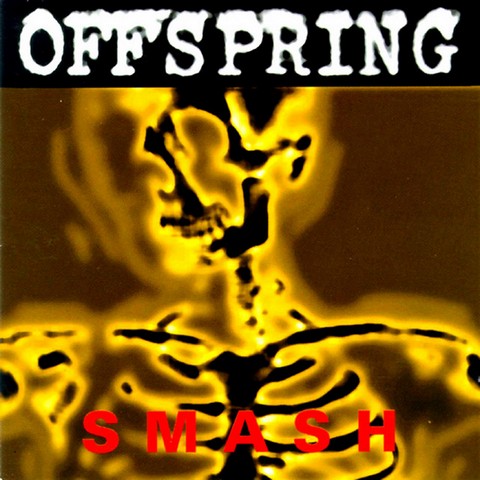
Their third album, Smash, didn’t just crack the charts — it detonated them. Post-Nirvana, the airwaves were wide open for anything with distortion, angst, and attitude. Alongside Green Day, The Offspring brought fluorescent anarchy to the suburbs. Suddenly, the mosh pit was on TRL. Tracks like “Come Out and Play” and “Self Esteem” were punk enough to keep your leather jacket cred but catchy enough to get stuck in your mom’s head. Hardcore purists called it blasphemy. The rest of America called it Friday night.
The Punk Rock Deal with the Devil
Selling out has always been punk’s dirtiest phrase — the sonic equivalent of spitting in the pit. And The Offspring? They didn’t just flirt with the idea; they slow-danced with it under a disco ball. By 1998, they doubled down with Americana, led by the ridiculous, brilliant “Pretty Fly (For a White Guy).” It was satire — supposedly — but the irony was lost on the radio, where it became a frat party anthem. Hardcore fans who once worshipped their scuzzy, basement-show energy saw them morph into cartoon punk clowns for mass consumption.
The sound got cleaner. The choruses got bigger. The videos became memes before memes existed. They went from playing sweaty VFW halls to headlining arenas sponsored by soda companies. For a scene that once prided itself on being invisible to corporate America, The Offspring had a Pepsi logo flashing behind the power chords.
Why It Worked (Even If It Hurt)
The truth? The Offspring didn’t accidentally sell out — they engineered it. Dexter Holland and Noodles were too smart to miss the post-grunge feeding frenzy. They kept the speed and snarl of their early days but wrapped it in hooks that could survive a thousand radio spins. They stopped being just a punk band and became a cultural product — punk’s gateway drug for middle America.
For some, that’s unforgivable. For others, it’s genius. Punk’s whole mythology is about burning down the system, but The Offspring figured out how to burn it from the inside — and cash the check while they were at it.
So yeah, maybe they “sold out.” But they also sold millions. And in the mid-’90s, when every skater kid suddenly had a wallet chain and a CD binder full of pop-punk, The Offspring were right there, laughing all the way to the bank.
IDEBAR: THE OFFSPRING’S SELL-OUT SLIDE
From basement punks to Pepsi darlings — a blow-by-blow of when chaos cashed in.
1989 – The Raw Years
The Offspring self-release their debut, grinding it out in grimy clubs with pure, unpolished punk fury. No corporate sponsors, no radio airplay, just sweat and feedback.
1994 – Smash Blows Up
“Come Out and Play” and “Self Esteem” hit MTV and radio. Punk kids cheer; purists squint. Suddenly, The Offspring aren’t just in the pit — they’re in every mall in America.
1997 – Label Shift
Sign with Columbia Records. Bigger budget, slicker production. Early fans whisper “sell-out” for the first time, but the big break is still ahead.
1998 – Americana and the Pepsi Moment
“Pretty Fly (For a White Guy)” drops. The satire is lost on the masses, and the song becomes a frat party staple. Corporate sponsors circle. The Pepsi logo flashes at their shows — the old punk guard winces.
2000 – Full Stadium Mode
Headlining arenas worldwide. Merch lines longer than bathroom lines. Punk ethos traded for platinum plaques.
2008 Onward – Punk Pop Institution
No longer the rebel outsiders — now the household-name veterans. Their early chaos is legend, but their sell-out status is cemented in punk history.