
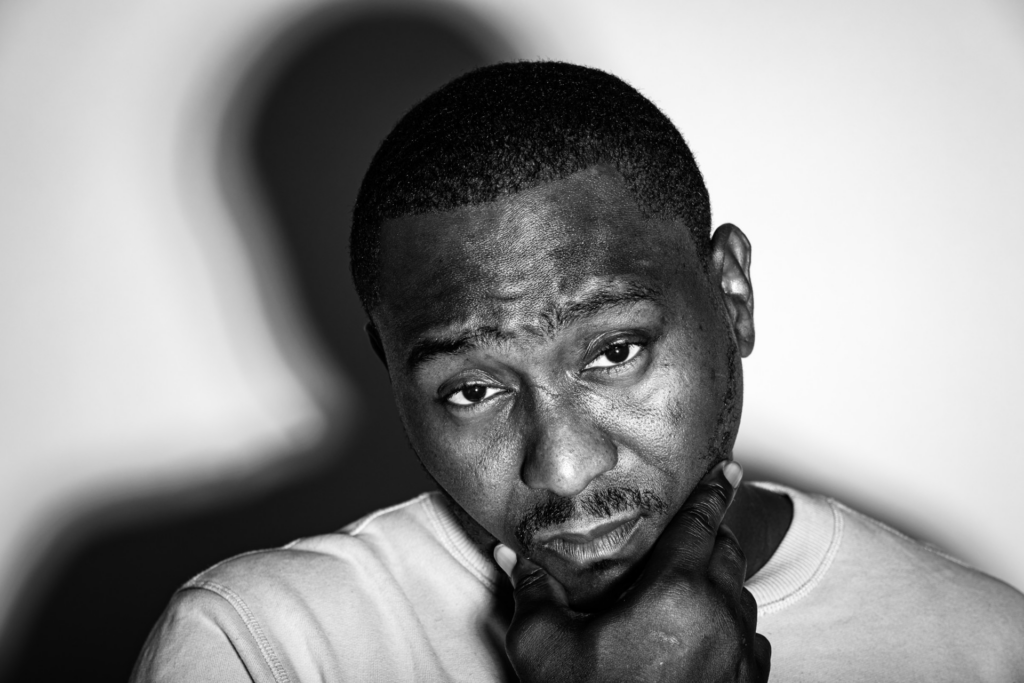
Born and raised in Harlem, New York, Daheem Salley grew up in an environment where basketball and music often felt like the only ways to imagine a different future. As the oldest of five children, he learned early that nothing would simply be handed to him. Every opportunity had to be earned, protected, and sometimes created from nothing.
After spending years incarcerated, Salley returned home with a sharper understanding of loyalty, survival, and the importance of controlling his own story. Those experiences now live inside his music. He does not present himself as one-dimensional—his records move between pain, heartbreak, street realities, celebration, humor, and vulnerability. Each song and visual reveals another side of the person behind the artist.
For Salley, music is more than entertainment. It is his testimony, his therapy, and proof that a difficult past does not have to determine someone’s future. FRANK151 spoke with Daheem Salley about growing up in Harlem, rebuilding his life, recognizing his talent, navigating the online era, and the legacy he hopes to leave behind.
FRANK 151: For readers discovering you for the first time, who is Daheem Salley beyond the music? What life experiences shaped the artist you’ve become?
Daheem Salley: I’m a regular kid who was born and raised in Harlem, New York. Growing up, it felt like everybody’s dream was either basketball or music. I’m the oldest of five, and we came up in a struggling environment. From a young age, I was taught that nothing was going to be given to me. If I wanted something out of life, I had to go take it.
I didn’t have an easy route paved for me, and I didn’t have anyone helping me navigate my path. I gave a lot of years of my life to the system, learning from my own mistakes. That time, along with everything I experienced before and after it, shaped the person and artist I am today.
My music is a reflection of what I’ve been through. It tells my story—the struggles, the pain, the betrayal, and everything it took for me to keep going. It’s a real underdog story.
“Your past can shape you, but it doesn’t have to control where you go next.”
FRANK 151: Your story includes rebuilding your life after spending years incarcerated. How did that experience change your outlook, both as a person and as a musician?
Daheem Salley: Doing that amount of time definitely changed the way I look at life and people. It helped me understand who is really for you and who isn’t. A lot of people don’t want to see you win because they never had the courage to chase their own dreams. Most friends want you to do better—they just don’t always want you doing better than them.
Being locked up brought a different level of pain into my music. It made me experience hardships I had to handle on my own. I had to hustle just to eat. I had to protect myself and maintain what I had going on. At the same time, I had to move with discipline because I couldn’t afford to do anything that would jeopardize my release date.
I had to reshape the way I thought—not only for myself, but also by learning how other people think. When you can play the game while anticipating everybody else’s moves, you start becoming a master at it. You’re no longer thinking like a player or a worker. You begin thinking like a boss.
FRANK 151: Hip-hop has always been about telling the truth. How much of your music comes directly from your own life, and how much is about representing the people and community around you?
Daheem Salley: My music is a reflection of me. Everything you hear tells you what I’ve done, what I’ve seen, or what I’m capable of doing. But it isn’t only gangster music or street talk.
There’s heartbreak in my music. There’s pain, love, fun, and celebration in it too. My whole life wasn’t spent standing on a corner. I’ve experienced different sides of life, and I think the music should show all of them.
I also represent the people who come from places like I come from. A lot of us have similar stories, even when we don’t talk about them. So when I tell my truth, somebody else might hear their own life in it and realize they aren’t alone.
“My music is a reflection of what I’ve been through—the struggles, the pain, the betrayal, and everything it took for me to keep going.”
FRANK 151: Looking back at where you started, what was the moment you realized music could become more than just a hobby?
Daheem Salley: My older cousin was one of the first people who really supported me doing music. To this day, he still supports me.
I used to want to go pro playing basketball. One time I was playing around with a beat, and my cousin said, “You need to be doing music because you’re not going to the NBA. You’re trash.” We were joking, but I let him hear some of the things I had been writing, and he told me he could see the talent in me.
I think that was the first real validation I ever received for something I genuinely wanted to do. Of course, I was hardheaded, and my love for basketball was still too strong, so I kept chasing it. But eventually, the vision started changing and the love began shifting.
I started recording here and there in high school. Before I knew it, music had become everything to me.
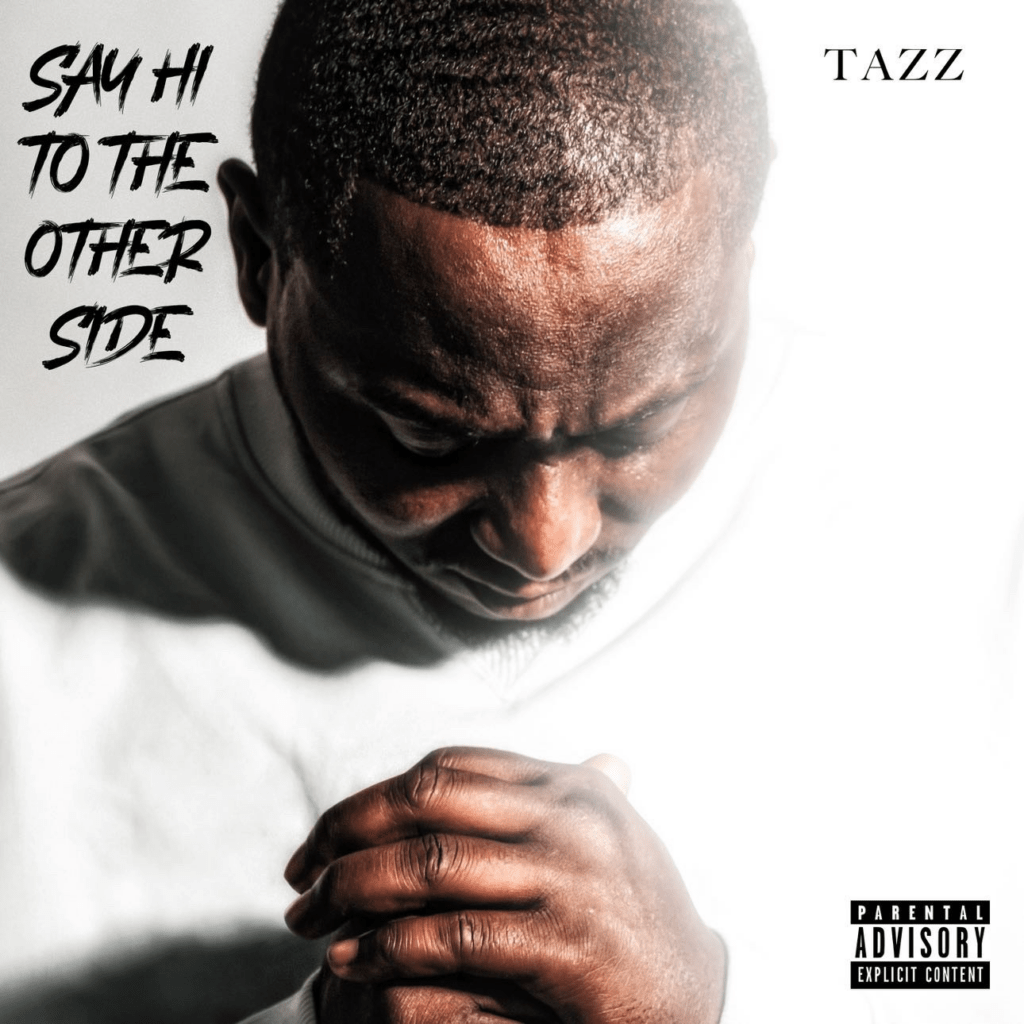
FRANK 151: Your visuals have a raw, authentic feel. How important is it for your videos to reflect real life instead of chasing trends?
Daheem Salley: I’m very hands-on with my videos. With every visual, I want to express a different piece of who I am.
I believe everybody has different versions of themselves. Some of those versions may have faded away, and others may have died completely, but they were still part of the person. Even gangsters have a funny side. Some can sing. Everybody has had moments when they partied, fell in love, chased a dream, or went through a struggle.
That’s what I want to show in my visuals. One video might bring out my comedic side and make people laugh. Another might show that things can get serious if somebody plays with us. But every video should reveal something about my character.
I don’t want to chase a trend just because it’s popular. I want the visuals to feel like me.
FRANK 151: What message do you hope young people take away from your journey—especially those who might feel like their past defines their future?
Daheem Salley: Never quit. Don’t listen to people who tell you what you can’t achieve.
I want anyone listening to my music to understand that they aren’t alone. Whatever you’ve been through, somebody else has probably felt that same pain or faced a similar struggle. Your past can shape you, but it doesn’t have to control where you go next.
I also want people to never be afraid of being themselves. You don’t have to fit inside somebody else’s idea of who you should be.
“Your past can shape you, but it doesn’t have to control where you go next.”
FRANK 151: Every artist has influences. Who inspired your sound, and which artists made you want to pick up the mic?
Daheem Salley: The artists who influenced me the most would probably be a mixture of Eminem, 50 Cent, and Drake. They each shaped me in a different way.
Eminem taught me that you can still win when it feels like everybody is against you. He showed me that being different can become one of your greatest strengths.
50 Cent taught me to stand tall and be ready for anyone bringing pressure. He also taught me to think like a businessman and approach the music game with the same hunger, strategy, and discipline that people use to survive in the streets.
Drake taught me vulnerability and versatility. He showed me that you can do what you want creatively. Don’t stay inside anybody’s box. You want to sing? Sing. You want to make something for outside? We outside. Be who you want to be when you want to be it. Nobody has only one side to them.
But hip-hop culture itself made me want to pick up the mic. Being in a room, connecting with a crowd, and feeling that energy—that rush is different.
“You can change your life at any time and at any age. Never let anyone put a time limit on your dream.”
FRANK 151: You’ve been rebuilding your presence online after losing a large following. How important are platforms like Instagram and TikTok today compared to simply making great music?
Daheem Salley: Online platforms are definitely a huge advantage. To me, it’s almost like a slot machine. As long as you keep working and putting yourself out there, you could hit the jackpot at any moment. You could release one song or create one piece of content that changes your life.
When you understand how to use these platforms, they can become powerful tools for promotion. They can put your music in front of people and communities you might never reach on your own.
But the music still has to be right. The quality of the music is what separates somebody who is only known on the block from an artist who can move from state to state—or a complete artist whose music travels from country to country.
Social media can open the door, but the music has to give people a reason to stay.
Follow Daheem Salley
Instagram: @PapiNoPlay
TikTok: @the_real_tazzmanian
Facebook: Daheem Salley
YouTube: TeamTh3ftTv