
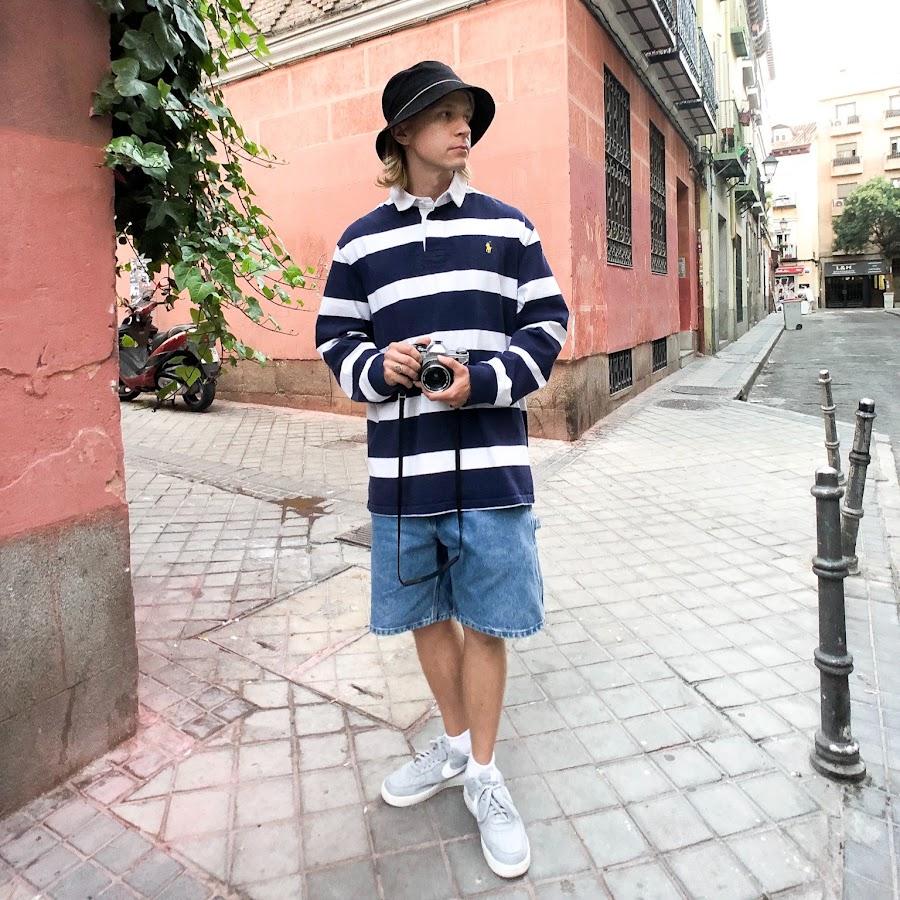
In this series, Frank 151 invites you on a captivating journey around the globe, providing a unique glimpse into the narratives and imaginative landscapes of individuals who are driving creativity to new heights worldwide.
Embark on a visual and intellectual adventure as we delve into the worlds of not only photographers and actors but also delve into the realms of rappers, musicians, graffiti artists, filmmakers, and the visionary minds behind emerging brands. Our creative chronicles are set to unfold, offering a rich tapestry of insights, anecdotes, and life wisdom that traverse the vibrant streets to the dynamic boardrooms, from the vast oceans to the majestic mountains.
Join us as we connect with the crème de la crème of the creative realm, bringing forth a diverse spectrum of perspectives that highlight the intersection of artistry, innovation, and entrepreneurship. From the pulse of urban streets to the serene landscapes, this series promises to capture the essence of the global creative scene, providing an immersive experience that transcends boundaries and celebrates the multifaceted expressions of human ingenuity.
Niko Tampio’s photography sits somewhere between street culture, documentary, fashion and fine art, but the Finnish photographer isn’t interested in putting his work into a box. From hip-hop and street culture to his ongoing project documenting Barcelona’s manteros, Tampio uses photography to get closer to people, places and stories that often exist outside the spotlight. We caught up with Niko to talk about finding his voice, building trust, working-class stories, photography’s relationship with culture and why staying true to your own vision matters.
FRANK 151: You’ve said album covers and magazines like The Face and i-D first pulled you into photography. What was the first image that made you realise a photograph could shape culture rather than simply document it?
NIKO TAMPIO: Yeah. Rather than one image I would say that once I learned about Estevan Oriol’s work on LA gangs it was a huge deal for me. That’s when I really started to understand the story telling aspect of photography and that you don’t have to follow any previously set journalistic or documental ways but you can have your own voice. Another major influence for me, especially when it comes to portraiture, has been Jonathan Mannion, whose extensive body of work about hip hop have undoubtedly shaped the culture and how it is experienced as a whole.
Later on, I started to understand the work and the impact of photographers whose work I had admired more or less unconsciously on the fashion magazines earlier such as Juergen Teller and Wolfgang Tillmans who both have shaped the visual and popular culture in their own right and also they have shaped how I think about photography.
I have to give a special shout out to Estevan though. Without his influence I probably wouldn’t have ever pursued a career in photography. I grew up in a hood and I used to have a belief that it is not possible for people coming from such backgrounds.
FRANK 151: Your work moves between fashion, documentary, fine art and commercial photography without placing boundaries between them. What do you gain by refusing to label the work?
NIKO TAMPIO: Personal integrity. I am able to stand behind my work.
I have to admit though, there is a bit of rebellion in that statement too because there is always this talk whether you are an artist or a commercial photographer and I don’t like it. Some seem to think that if you do commercial work it dilutes your credentials as an artist.
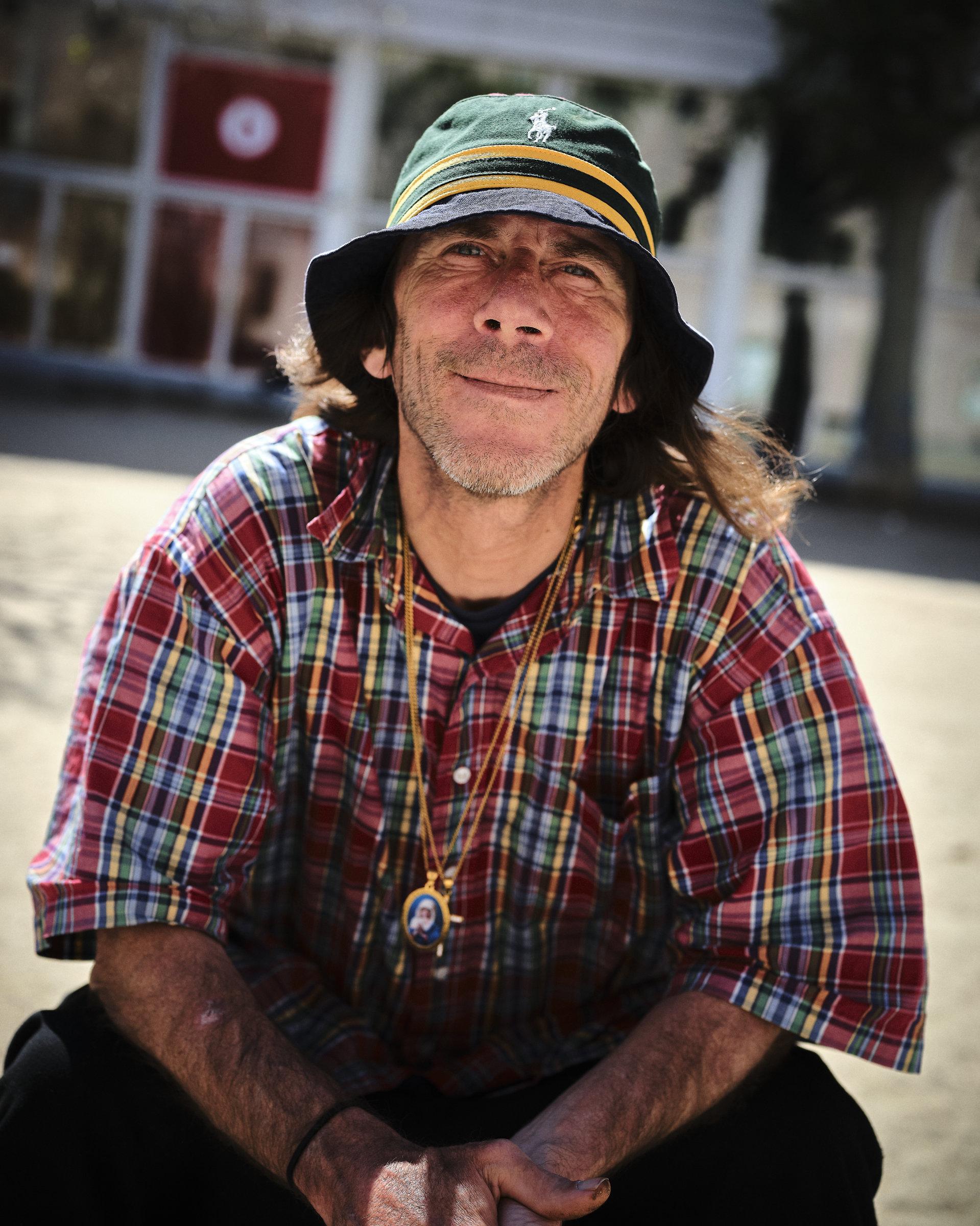
FRANK 151: You originally called the manteros project The Working Class Below the Working Class. After spending an entire summer with the vendors, did that title feel more accurate—or more complicated?
NIKO TAMPIO: To me, it feels more accurate and it used to be a working title but now I have kinda decided that it is the official title. I am currently working on the second phase of the project which follows the so-called chatarreros who collect and sell metal from the streets. They contribute a lot to the city’s circular economy and in my opinion they should be hired by the city. Instead they are working without contract and social security.
I have had discussions about the title with a bunch of other art professionals as well and I’ve come to a conclusion that it is a strong and captivating title that makes people think.
FRANK 151: Some of the manteros initially thought you might be working for the police. What did earning their trust actually involve before you ever raised the camera?
NIKO TAMPIO: Being open and genuinely interested in their lives. Having regular conversations – meaning, I approach them as myself not as a journalist or something like that. I do this project completely alone – I don’t use fixers or anything like that who set a photoshoot up.
To me the photographs are almost the byproduct of those daily interactions and conversations, if you know what I mean. I also share the same type of humour with many of them and that definitely helps in building a relationship.
I started the project because when I saw manteros on the beach I found myself always wondering about how their lives are and it all started to develop from there.
And most of them don’t want to be photographed and I respect that. I never push it unnecessarily or do any sneaky stuff.
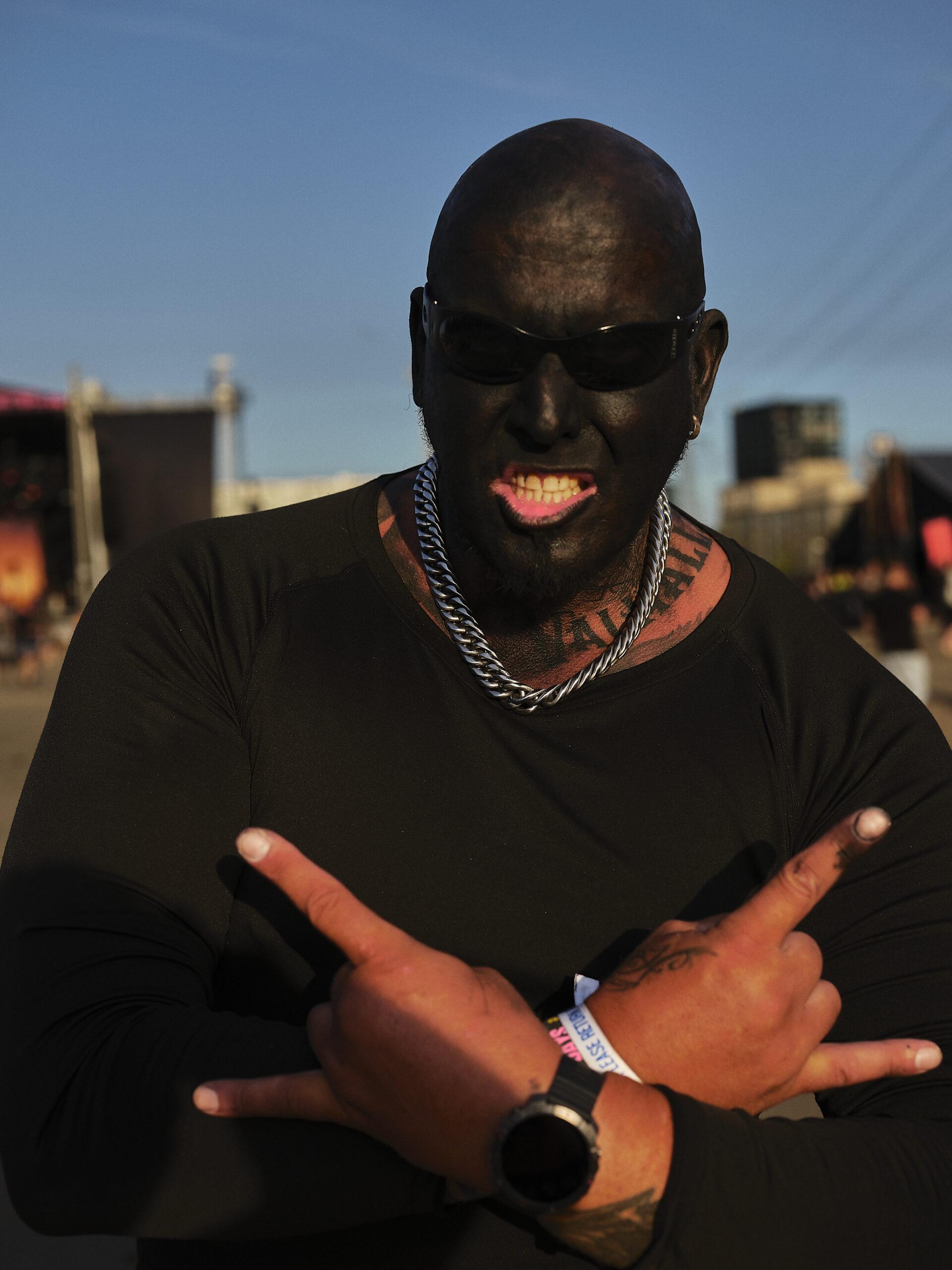
FRANK 151: You gave the finished portraits back to the people you photographed, and some told you the images made them feel seen. Did their reactions change how you think about who truly owns a portrait?
NIKO TAMPIO: That’s an interesting question and if I think about it philosophically, a portrait essentially captures a part of a shared moment between the photographer and whoever is in the portrait. But on the other hand, a photographer has the control for the most part in how the portrait turns out. How he or she sees, what is the vision and tons of other details and decisions are what go into every portrait. I have even noticed that my life experiences translate into my photographs.
The subject completes the photograph but it’s my responsibility to create the image.
So, the question of ownership hasn’t necessarily changed but understanding of the power of portrait definitely is. Even though I already knew that seeing yourself in a photograph can really help you understand things about yourself and even help you make positive changes in your life, the reactions of the manteros after receiving the print were totally surprising. How much the portraits meant to them and how energised they got when they saw the portraits were something amazing to see.
FRANK 151: You allowed each person to choose where and how they were photographed. Does a portrait become more honest when the photographer gives up control, or is complete honesty through a camera impossible?
NIKO TAMPIO: I wouldn’t say it becomes more honest. In the end it’s always more or less a performance but that doesn’t mean it’s dishonest either.
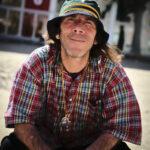
And even though I won’t dictate the poses and locations I still maintain most of the control or basically the total control as that is also my decision to give up the control. But what is gained by letting the subject lead is the subject becoming more comfortable – more themselves. With the manteros for instance, it also let them bring out more of their personality. One of them wanted to have the ferris wheel in the background because he liked it and another wanted to have the picture taken the next day so he could wear a nicer shirt. Therefore, I think it contributes more to the story.
I don’t think complete universal honesty is possible, but what is depicted in my portraits is my truth. Legendary photographer Richard Avedon put it well by saying that all photographs are accurate but none of them are truth.
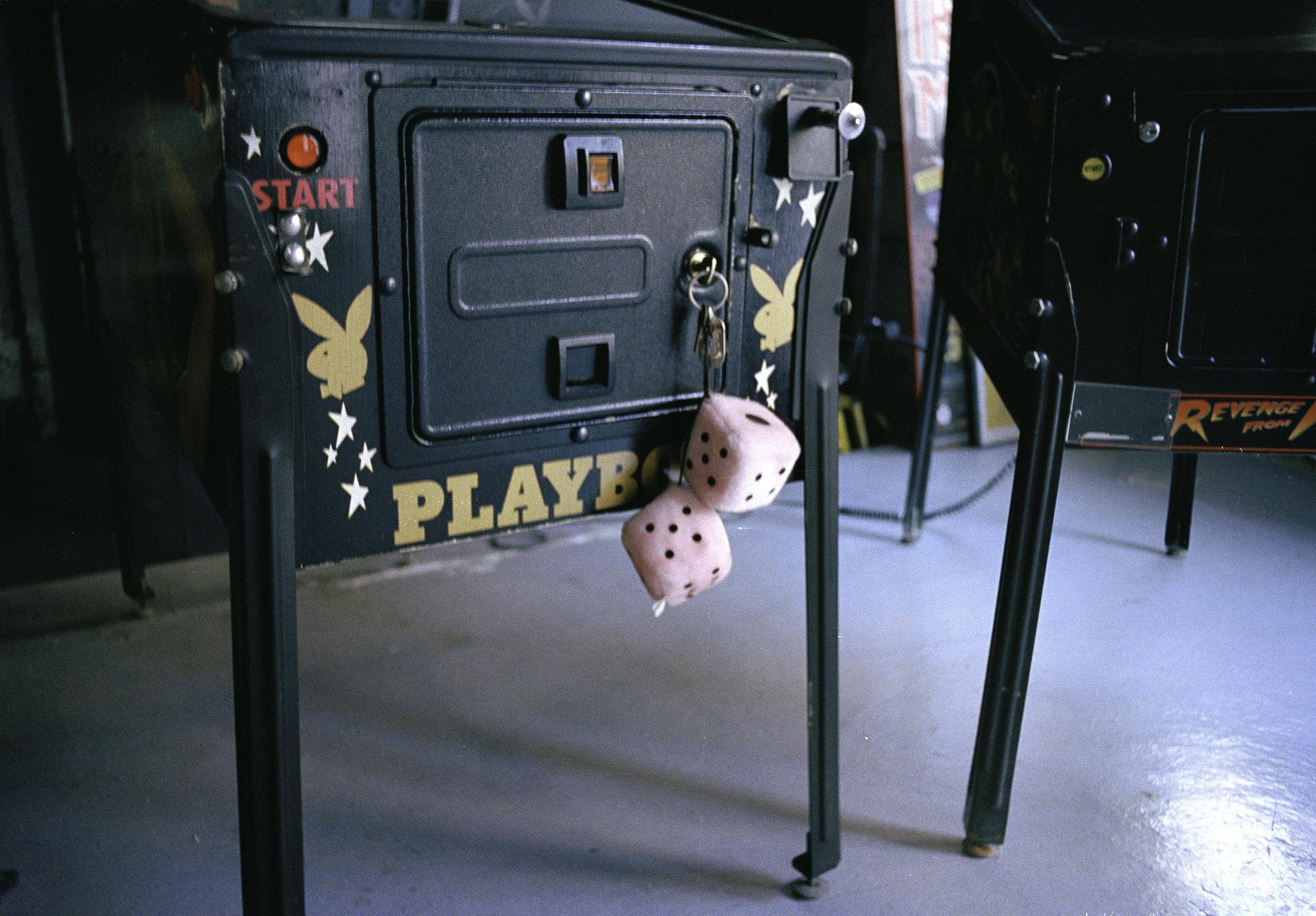
FRANK 151: The series uses a strong, fashion-aware visual language while documenting economic hardship. How do you make someone look powerful without turning their struggle into an aesthetic?
NIKO TAMPIO: First of all, respect. Then genuine interest and willingness to learn. Context is also very important – what is shown around the image matters as much as the image itself.
I also don’t want to create any extra dramatism in the images. I rather show people with dignity and strength and through that raise awareness about the issues at hand.
FRANK 151: You come from a working-class Finnish background, but you’ve also acknowledged the privilege of moving freely through Europe as an EU citizen. How do you navigate that position when photographing undocumented workers?
NIKO TAMPIO: It’s important to acknowledge the privilege and being an artist is also a privilege. Therefore, I think there is a certain kind of responsibility as an artist to use your platform and talk about the issues of those who might not have a voice or resources to make it heard.
Another important aspect of this whole project is to document and cement these people into photographs that hopefully lasts years and centuries to come so that they and their stories won’t be forgotten.
On the same token, coming from a working-class family and becoming a professional artist has not been a walk in the park and it still isn’t. It was pretty much like against the odds type of situation to even get the opportunities to study at universities and achieve a Master’s degree – I am the first person in my family with a high education.
And not least because of my background and a lack of connections and resources, I’ve had to fight for every opportunity. Even now, after entering the academic and art world, especially in my home country, I have to constantly prove myself just to be accepted. Not to prove that my work is good but to prove myself. It is very frustrating and problematic. I’ve received comments on how I talk, how I dress, not looking like the artist and other funny stuff. It almost seems like you have to conform to some decided mold to be passed through the gatekeepers guarding the opportunities.
So, through my own experiences and learning from a young age that the world is not equal for everyone, I decided a long ago that if I can make it to become a professional artist I want to dedicate a part of my work to speaking for those who are struggling. I think I have linked up so well with manteros because, even though I’m not comparing my struggles to theirs by any means, I can somehow relate to what they are going through. They are my people.
It’s not about the guilt, but the homie SHIRT puts it well on one of his rap songs – ”I feel survivors guilt and I ain’t even survived”.
FRANK 151: You’ve watched tourism reshape Barcelona over the past 15 years. What disappears when a city is sold to the world as a lifestyle while many of the people keeping it alive remain invisible?
NIKO TAMPIO: A lot of traditions, even people. I was just thinking as I was walking through the El Raval neighbourhood the other day about how fast it is changing. Literally, in only six months that I was away the change is striking. Vintage stores, trendy coffee shops run by expats et cetera are popping up rapidly around Raval in the locations where there used to be none.
And what is sad is that many shops that have existed in different parts of Barcelona for generations have to close due to rent increases and then some big global chain will open a spot to those locations. And the same is happening with the local people who cannot afford living in the city so they have to go away and are even forced to go away.
I talked with the older gentleman who had lived his whole life in the La Barceloneta neighbourhood and he told me that during covid Barcelona felt to him almost like it used to be years ago when the city wasn’t filled with tourism like it is today.
It is great to see the pride and fighting spirit of Catalans to keep their culture alive though.
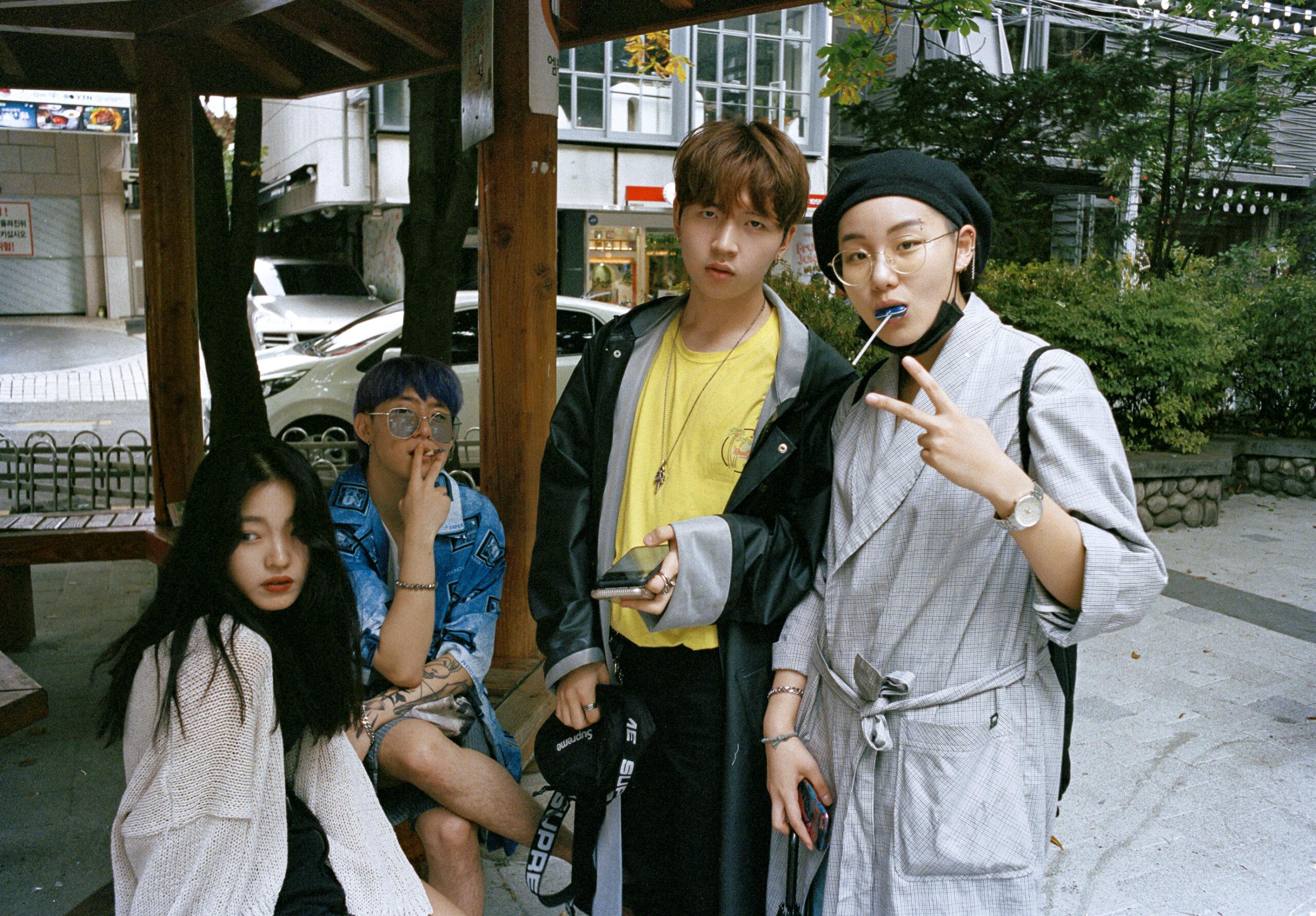
FRANK 151: Your projects move between Barcelona’s manteros, Rosalía fandom, Korean street culture, heavy-metal kids and major figures in hip-hop. What connects these different worlds for you?
NIKO TAMPIO: My personal life experiences and curiosity. Many times it comes down either to the culture or subculture I am affiliated with or to the life experiences I have personally experienced that lead me to start talking about a certain topic. Through photography is how I contribute to the culture.
And sometimes it’s just curiosity and that’s what great about photography is that you always have an excuse to go to talk to people.
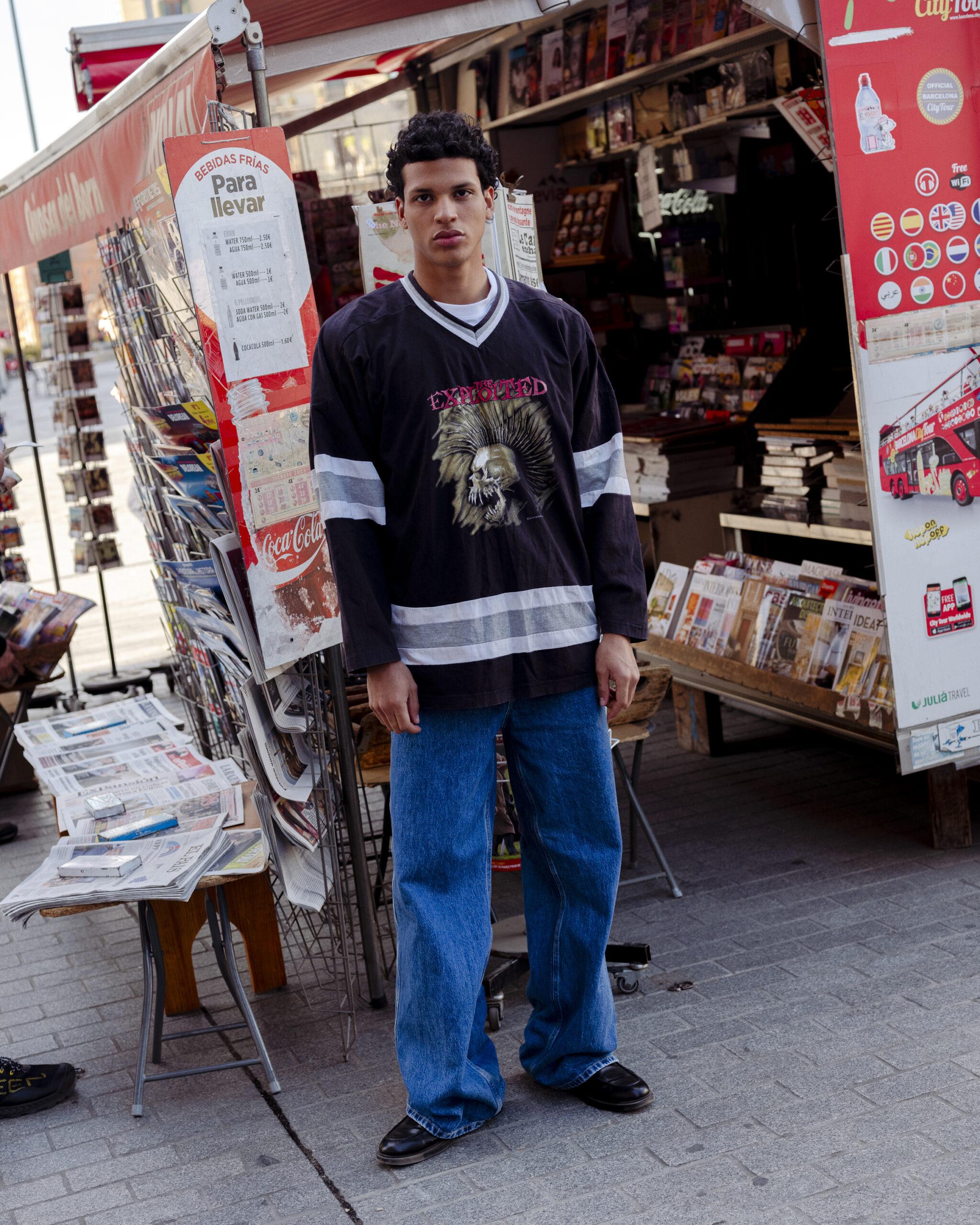
FRANK 151: Your hip-hop photography has entered the collection of New York’s Hip Hop Museum, and you’ve been nominated for the PHotoEspaña Descubrimientos prize. When work moves from the street into institutions, what is gained—and what risks being lost?
NIKO TAMPIO: Institutions can help the work reach new audiences and bring it in front of the people who maybe otherwise would not come around it. They can also provide you professional opportunities, funding and connections to different professionals in the field. Even help you make sales on your work by connecting with collectors and galleries. Personally, meeting with curators and having discussions with them about my work have contributed to my professional development a great deal.
But then again, I guess it comes down to personal integrity. You have to evaluate whether it makes sense to work with whatever entity it is at hand. It’s good to ask why they want me, what they want and also what is there for me. I always try to look at the big picture.
I think one of the easiest things to lose is the control of your own narrative and voice. Even though I’ve got some great advice from curators for instance, there has also been some not so great and there is definitely a pressure sometimes when the advice comes from someone respected on the field to recognise that this doesn’t go along with my values or vision and leave it at that. Especially, when there is money or opportunities on the line.
And with street culture especially you often see how its value is recognised when it’s being exploited. It’s like politicians posing in front of a graffiti piece telling how nice it is to have it in hopes to gain new voters but then when there comes a time to protect that same piece from being removed it’s getting real quiet.
Shout out to The Hip Hop Museum! They are doing great work with preserving the culture and educational work. I am extremely proud of having my work there. I can’t wait to come and visit when the doors open.








FRANK 151: You’ve said artists should try to create something better than what already exists. What story feels most urgent for you to tell next?
NIKO TAMPIO: Yeah, or leave places you enter better than they were before you entered them.
I have been so involved with these current projects that I haven’t been thinking about the next story that much yet, but I feel like I would love to do a project that involves rich people, law enforcement or the military. I am also planning to continue this The Working Class Below The Working Class -project longterm and hopefully get to do some exciting commissioned work as well.
Many times I have this vague idea of a topic I want to address and then one day something within it comes up that it starts to make sense and then I know what to do with it. Usually, that is how the personal projects come to me.