
In this series, Frank 151 invites you on a captivating journey around the globe, providing a unique glimpse into the narratives and imaginative landscapes of individuals who are driving creativity to new heights worldwide.
Embark on a visual and intellectual adventure as we delve into the worlds of not only photographers and actors but also delve into the realms of rappers, musicians, graffiti artists, filmmakers, and the visionary minds behind emerging brands. Our creative chronicles are set to unfold, offering a rich tapestry of insights, anecdotes, and life wisdom that traverse the vibrant streets to the dynamic boardrooms, from the vast oceans to the majestic mountains.
Join us as we connect with the crème de la crème of the creative realm, bringing forth a diverse spectrum of perspectives that highlight the intersection of artistry, innovation, and entrepreneurship. From the pulse of urban streets to the serene landscapes, this series promises to capture the essence of the global creative scene, providing an immersive experience that transcends boundaries and celebrates the multifaceted expressions of human ingenuity.
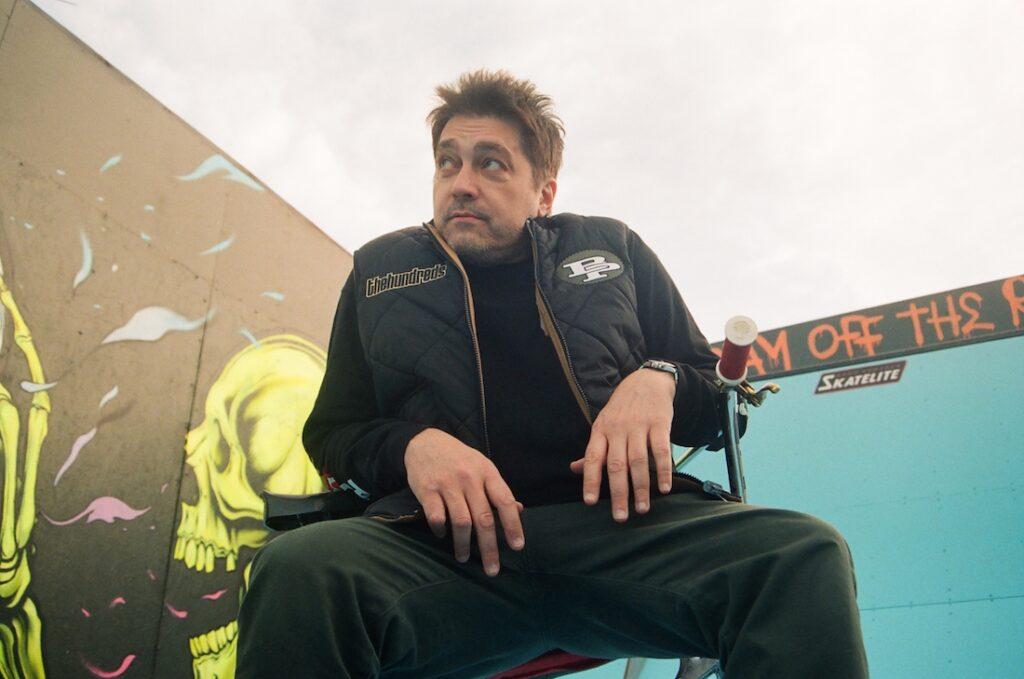
For more than three decades, Dom DeLuca has remained one of the most authentic voices in skate, streetwear, punk, and metal culture. From his early days hosting MTV’s Headbangers Ball to building Brooklyn Projects into one of the most influential cultural hubs in the world, Dom has never chased hype — he’s shaped movements.
His ethos mirrors the raw, unpolished energy of the golden era: community over clout, culture over algorithms, and authenticity above all. In a landscape where trends come and go by the week, Dom stays rooted in the foundation of where he came from — Brooklyn.
We sat down with the icon to talk legacy, the state of skateboarding, sneaker culture’s crash, Melrose, collaborations, and why “true to it, not new to it” is more relevant than ever.
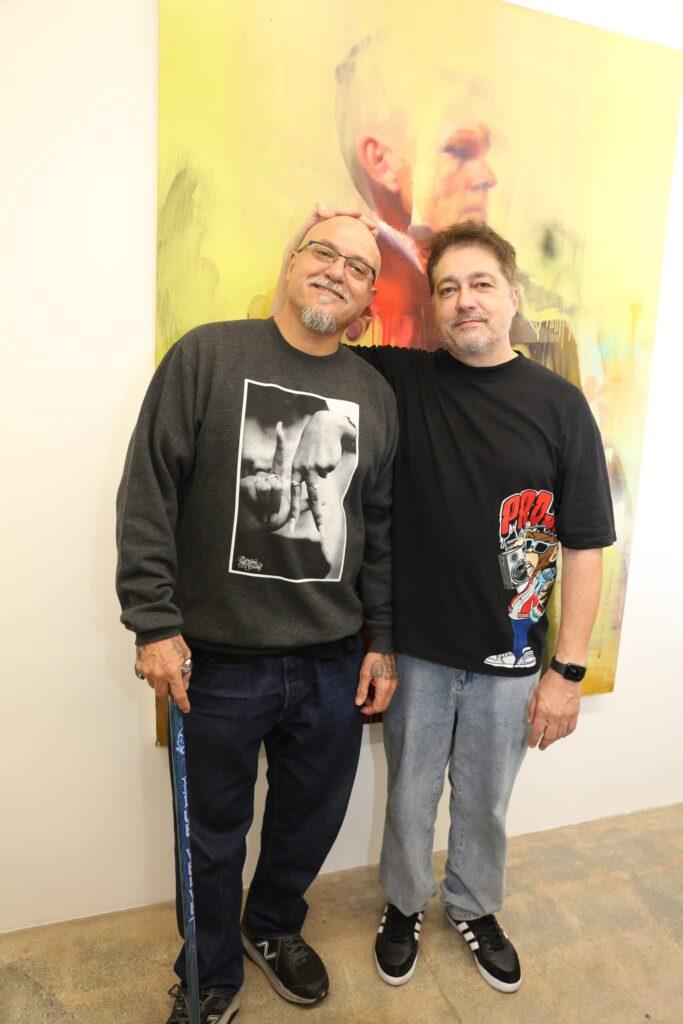
Dom DeLuca & Estevan Oriol represent four decades of raw Los Angeles street culture
FRANK 151: You’ve always represented authenticity — staying true to where you came from while evolving with the times. How has your Brooklyn upbringing continued to shape the way you move, create, and see culture today?
DOM DELUCA: Growing up, it was always about being true to yourself and speaking out whenever something didn’t sit right. Today, with that attitude, you’re labeled a hater — LOL — but that’s my ethos. That’s the old-school Brooklyn way.
I take mental notes on things I want to keep and pull up later when situations arise that don’t seem “right.” Unfortunately, culture today is being built on falsehoods and straight bullshit. I don’t immerse myself in it, but I see friends feed into it, which only furthers the demise of things.
It’s hard to keep my motto — “true to it not new to it” — going when the new generation doesn’t care… but some do. I do it for them, for myself, and for what’s left of the culture. I just wish some of my mentors would do the same.
FRANK 151: Brooklyn Projects has become more than just a store — it’s a cultural landmark that’s bridged skate, streetwear, and music for decades. Looking back, what do you think has kept it so relevant, and how do you see its next chapter unfolding?
DOM: I’ve always been a vessel for the scene — music, skateboarding, streetwear. From handing out Korn demos and stickers in my Brooklyn store in ’93 before they were signed, to being a launchpad for damn near every streetwear brand (minus Supreme), BP was built on community. It still is.
As for the next chapter, it’s grassroots: opening more brick-and-mortar shops to create real experiences rather than doing TikTok bits for views. I’m going back to the real and raw — getting kids and brands into a space to have real-life moments that will live long after an algorithm.
We just opened a store in the Westchester neighborhood of Los Angeles near LAX, and every day kids are hanging out front, skating, talking about life. It’s a community that had nowhere to gather… now it does. And I’m happy about that.
FRANK 151: You’ve worn a lot of hats — retailer, curator, media personality. When you hosted Headbangers Ball, how did that experience connect back to your love of culture, skate, and music?
DOM: That was a surreal time. A high school dropout who, in the blink of an eye, was shot to immeasurable fame — but I kept it real and never let it go to my head. That opportunity gave me the tools to open my first store in Brooklyn.
At the time, streetwear and skatewear weren’t represented in mainstream media. Stussy and Triple 5 Soul would get some love, but that was it. So I started wearing brands I loved: Freshjive, FUCT, 8 Ball, Droors, Kingpin. More brands saw this and started sending me product.
I remember Erik Brunetti from FUCT at first getting mad at me — “What the fuck is this shit?” LOL. My tiny dressing room was filled with boxes. I got together with two friends, we opened Brooklyn Union Gear Company at a flea market, sold all the free gear, took that money plus $2k each on credit cards, and opened Brooklyn House — the first skateboard streetwear shop in Brooklyn besides Marine Park Bikes.
MTV gave me a platform to give back — to the brands I loved, to the bands that were starting out. I always carried what I loved with me as I grew.
FRANK 151: Frank151 has always documented real culture from the ground up. What does the magazine mean to you personally? Do you remember the first time you came across it?
DOM: Yeah — around 2002. I was given a pocket-sized magazine, which was unheard of at the time, and it had everything I loved: snowboarding, art, music, streetwear, skateboarding. Then I met Mike Malbon and Steve. We instantly connected.
Frank151 was such an important piece of the culture and still doesn’t get the love it deserves. I’m hyped to be doing this — long time coming.
FRANK 151: Skateboarding has shifted from underground and rebellious to Olympic and mainstream. What’s your take on the state of skateboarding in 2025?
DOM: Skateboarding is at a low, even as an Olympic sport. Everyone has taken from it and not given back. It’s like chopping down a forest for wood but not planting a tree for every one you cut — the forest disappears.
High fashion during the Virgil era took without giving back. Corporate sponsors milked the culture and made it bland. Social media killed attention spans. Kids would rather vape and ride e-bikes than meet up, skate, and learn new tricks.
But I see a shift. The re-release of Tony Hawk’s Pro Skater and EA Skate helped a bit. We still have a lot of rebuilding to do — it’ll take time. But I’m in for the long haul.
It’s being revived by smaller DIY brands and skaters spending less time on their phones and more time in the streets.
FRANK 151: Sneaker culture has gone from niche obsession to billion-dollar industry. Does the soul of sneaker culture still exist, or has hype and resale taken over?
DOM: Sneaker culture is over — but for those who do it for the love, it’s the greatest time. For those who came in to make a quick buck, it’s done.
Years ago, I said resale shops would be finished in 3–5 years. I was met with laughs and insults… but who’s laughing now? It was never sustainable. During the pandemic, prices inflated, PPE money flowed, supply was limited, and everything went crazy.
Now brands and shops built on that bubble are collapsing. Nike styles that used to sell out in minutes now sit for months. The good thing? The real heads can finally buy what they love. The flippers moved on to Pokémon cards — the next grift.
It’ll come back eventually. Everything cycles. It always does.
FRANK 151: Melrose was once the heartbeat of LA street culture — chaos, creativity, community. Do you think we’ll see a true Melrose resurgence, or has the energy moved elsewhere?
DOM: Melrose has been decimated — culture vultures, crime, greedy landlords. It’ll come back, but it’ll never be what it once was. That’s the sad reality.
But I’ll always be there holding it down. I’m meeting with the mayor to clean it up and keep the lights on. With new spots like The Benjamin (Ben Hundreds’ restaurant), niche cafés like Olive and James, and anchors like Brooklyn Projects, Wasteland, and Power Plant — if we have the will, we can rebuild.
It’s an uphill battle, but not impossible.
FRANK 151: Collaboration has always been part of your DNA. What makes a collaboration feel authentic to you, and how do you decide what fits your world versus what doesn’t?
DOM: I only do collabs that resonate with me. Every collab I’ve done has a personal connection. That’s why I don’t collab with every brand under the sun and try to pass it off as authentic.
Some brands have cheapened the idea of a collab. They run it into the ground, and it kills their brand because their hype was built on someone else’s IP. You look at some of these collabs and you’re like, “Please stop. Jesus Christ.” LOL.
FRANK 151: The media landscape is wild — short-form content, algorithm-driven trends, constant noise. How do you stay grounded and keep your work authentic?
DOM: I don’t look at it or try to compete with it. I just do my thing. If someone sees it, cool. If it leads to sales or opportunity, amazing. But I won’t jump into the rat race trying to reach the top of an algorithm.
I do things for me and for the culture. If you’re about the culture, you’ll find it — it takes time.
In the ’80s, we found bands through demo tape trading and fanzines. In the ’90s, we found hip-hop through mixtapes. I still have my Wu-Tang promo cassette.
It’s all about looking for what’s new.
FRANK 151: When you look ahead, what legacy do you hope to leave behind — through Brooklyn Projects and your impact on skate and street culture?
DOM: I want to leave a legacy that continues long after I’m gone — a shop and a brand that supports youth and culture for decades, with the same ethos:
TRUE TO IT, NOT NEW TO IT.